Author: Roger Bergson

  • Donatello

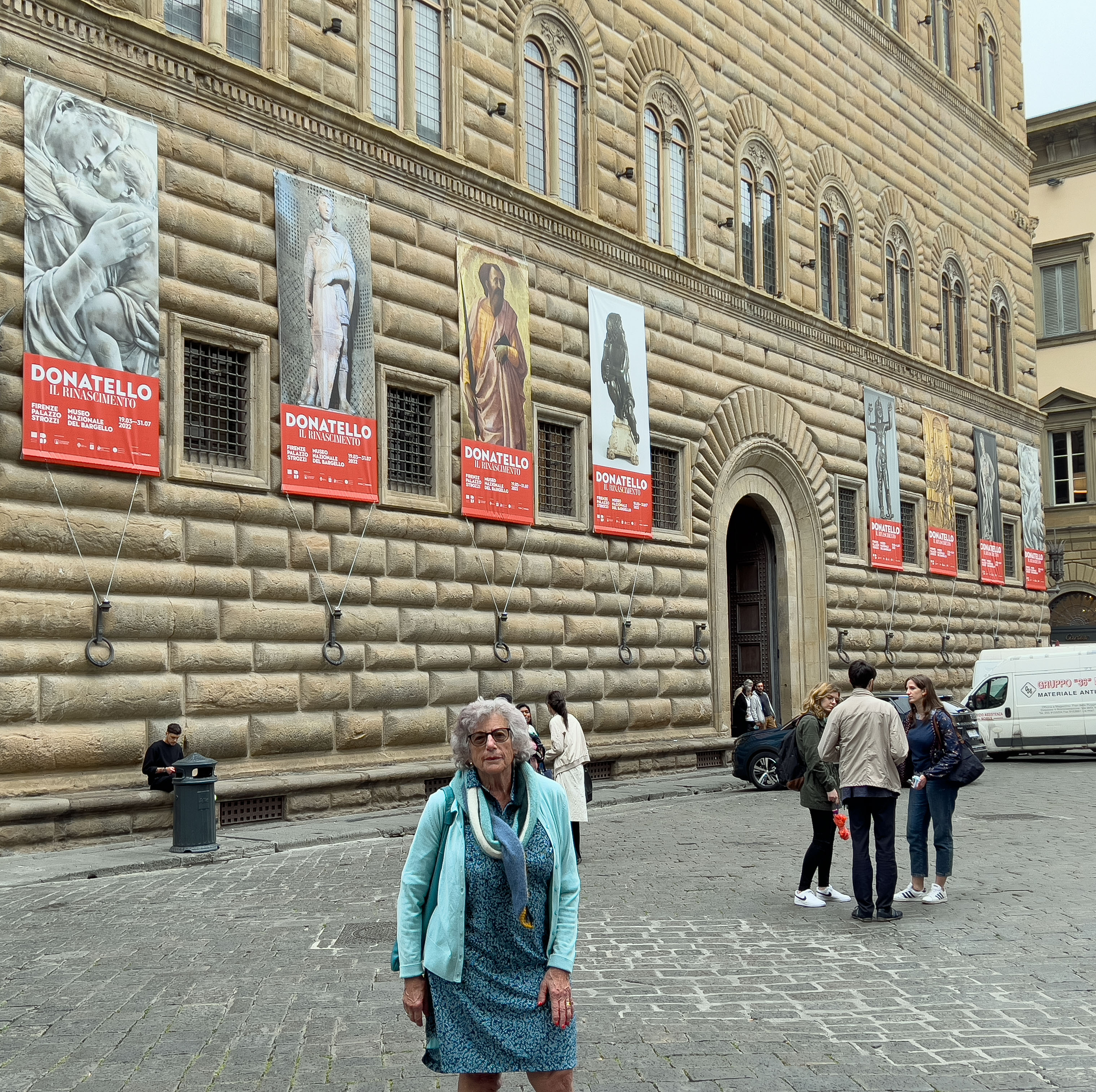
    It felt wonderful to return to Italy for the Spring of 2022. After settling in at our apartment in Pienza, our first adventure was a trip to Florence to see the highly-touted Donatello exhibit. The exhibit featured more than 130 pieces…so large it was shared by two museums: the Palazzo Strozzi (the Strozzi family were bankers, for a time the most influential family in Florence, and rivals of the Medici’s) and the Bargello National Museum.

    The exhibit scoured the world for Donatello art and got pieces on loan from museums in Detroit, London, Berlin, and across Italy.
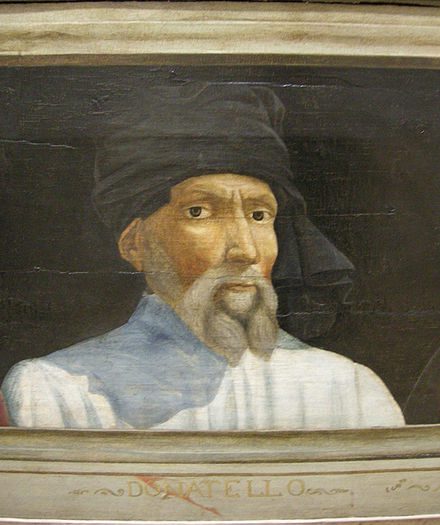
    Donatello was born Donato Niccolo di Betto Bardi in 1386. He apprenticed to Lorenzo Ghiberti, famous for creating the cast bronze doors on the Florence Baptistry.

    The stated purpose of the exhibition is to inform the world what an innovative and ground-breaking figure Donatello was…as influential to the Renaissance as Picasso was to cubism.
    Prior to Donatello, sculpture was more representational than realistic. The facial expressions of the subjects seemed frozen and not necessarily reflective of the emotion the sculpture was trying to convey.

    The same goes for the body language.
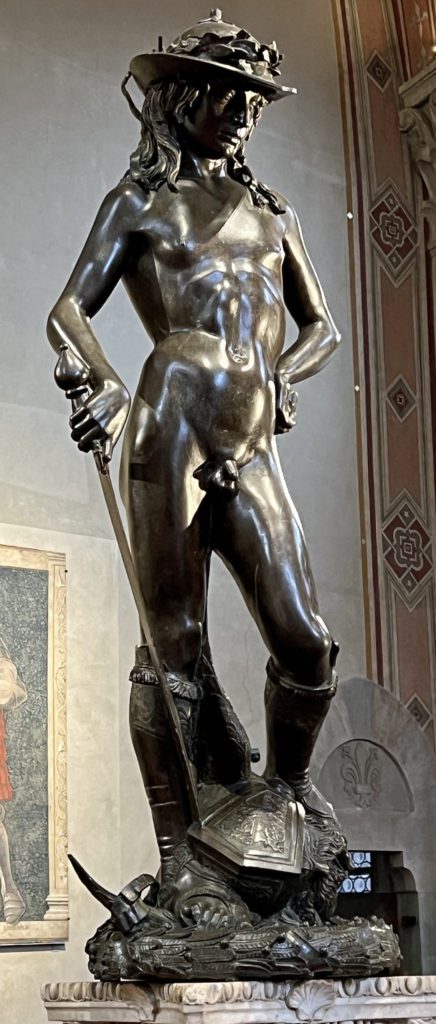
    Note how Donatello’s David has struck a more natural pose…and how the expression on his face reflects the relief and triumph of his slaying Goliath.
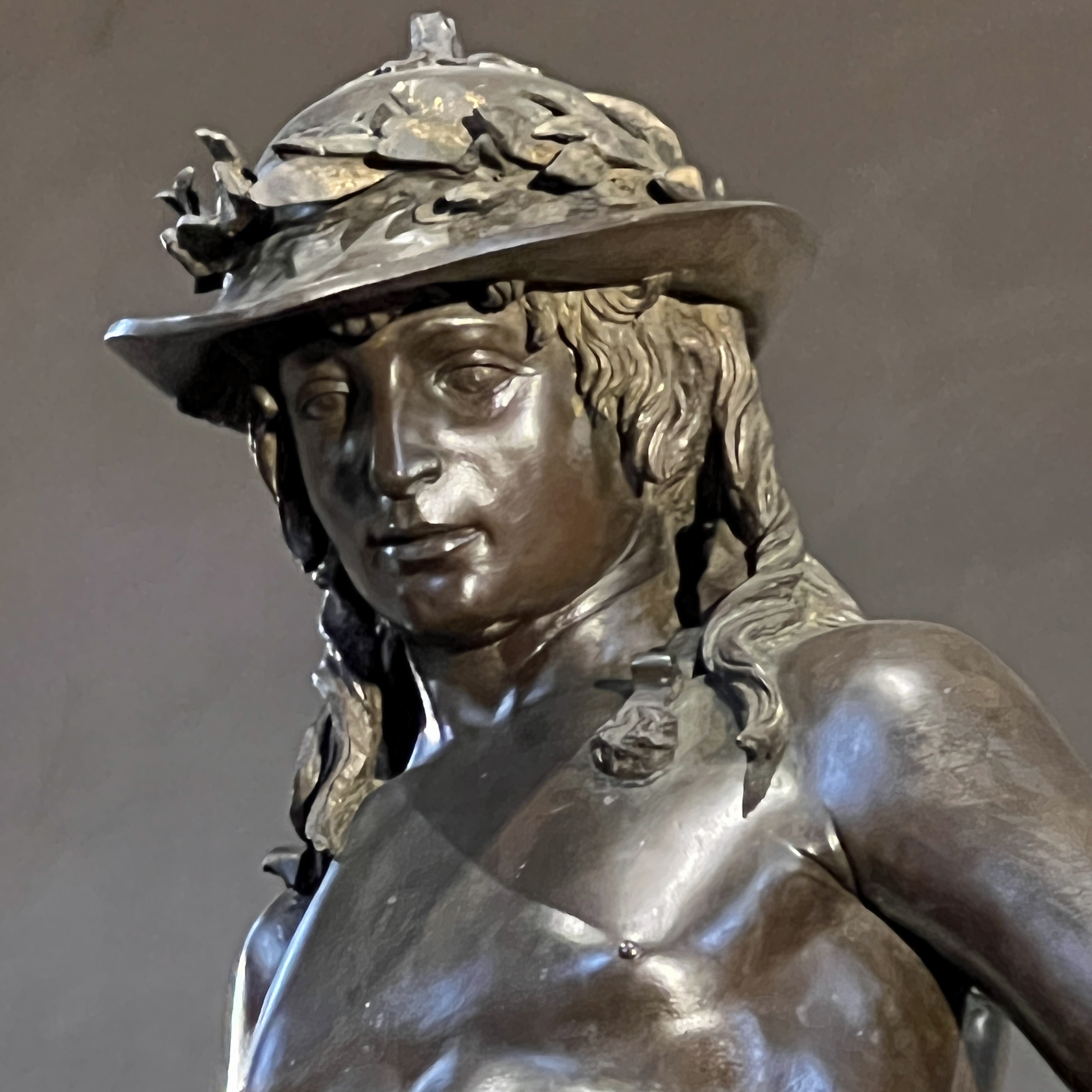
    This sculpture was intended as a political statement. Cast for Giovanni di Medici, the founder of the Medici dynasty, it was a warning to family rivals that, like David, the Medici may have started out under-dogs but were destined for great things.
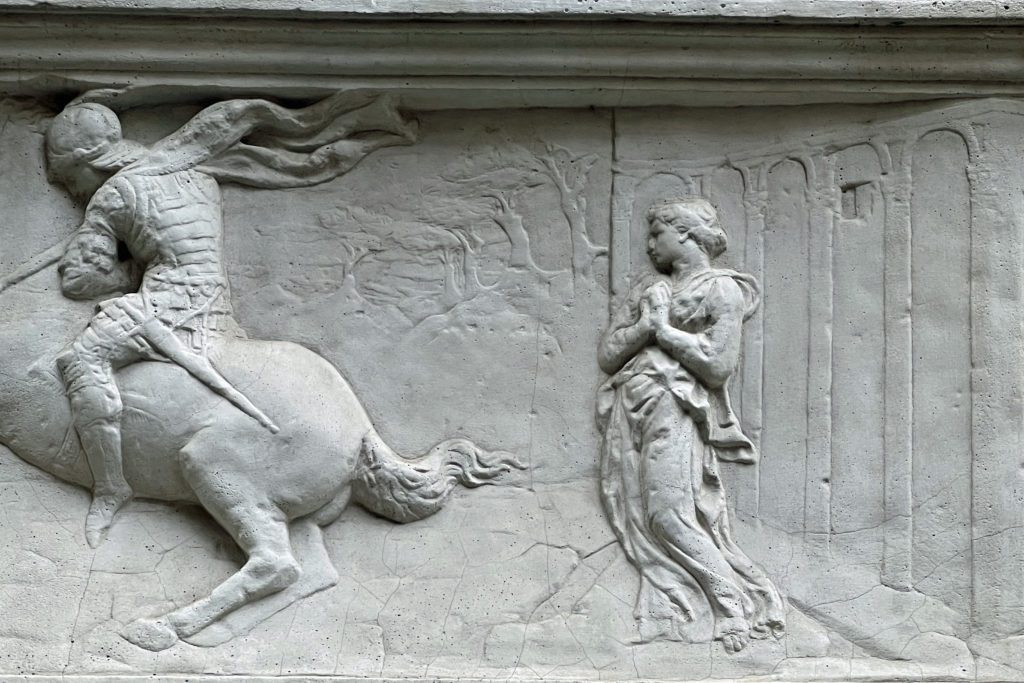
    Another Donatello innovation was the use of perspective in bas-relief. In the photo at the left..from Donatello’s statue of St. George…note the use of perspective in the background.

    (In fact, the statue of David [above] looks slightly out of proportion when viewed at eye level…because Donatello designed it using perspective, knowing the piece would be placed on a tall pedestal and viewed from below.)
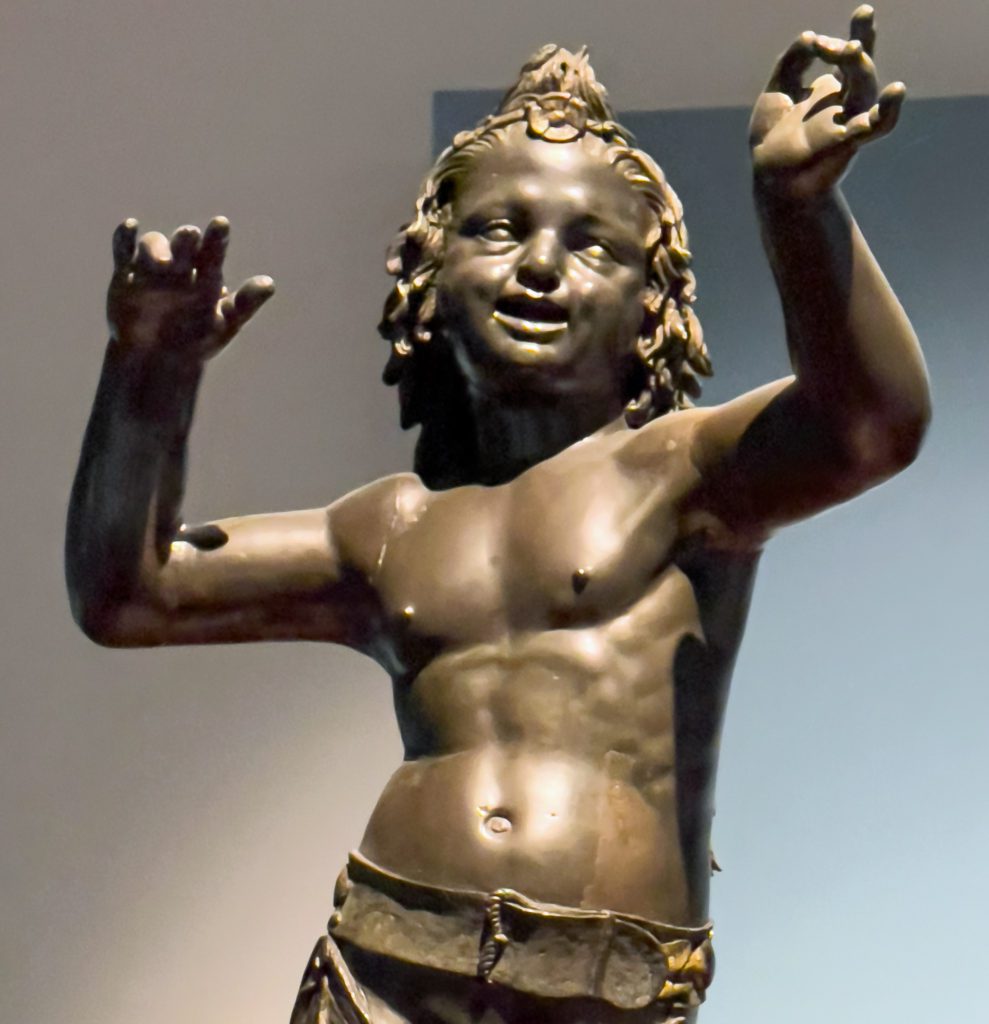
    A third Donatello innovation was the use of putti in Renaissance art. Putti, or little winged cherubs, had been used in classical Roman art. But the practice died out, and Donatello revived their use to represent various emotions…something then picked up by numerous painters and sculptors who followed.

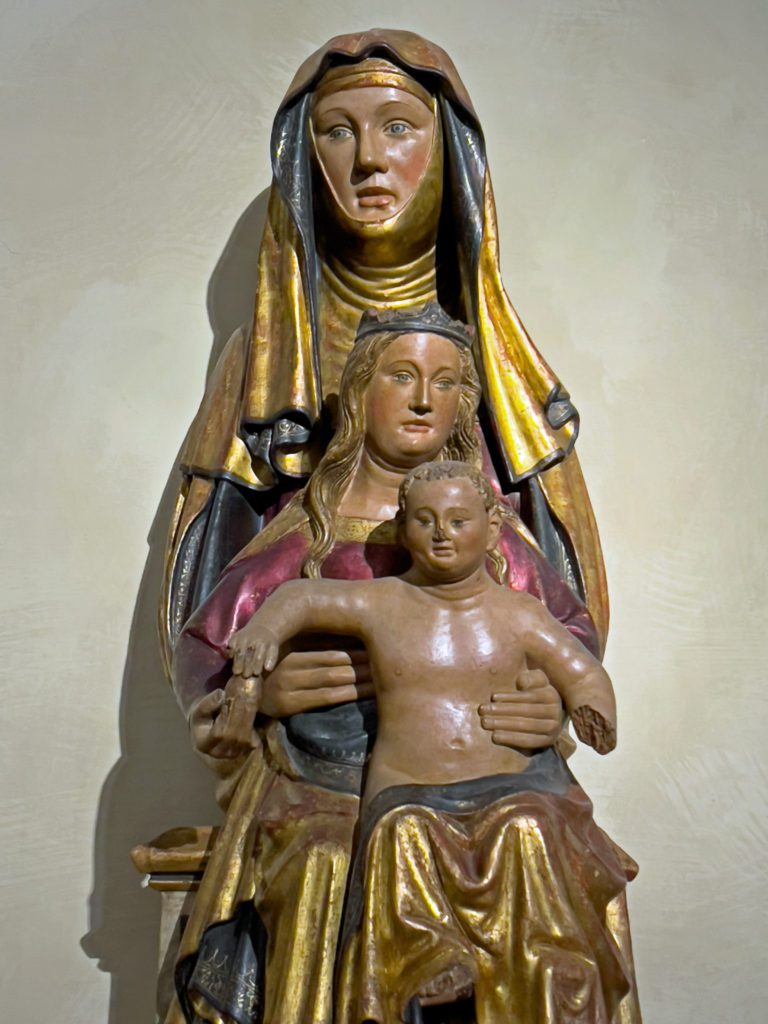
    The most common theme among the many pieces in the Donatello exhibition was Madonna and Child…either as statuary or bas-relief.

    There’s a reason for this. In the early to mid-15th century, well-to-do Florentine families wanted to have a Madonna and Child in their homes.

    Donatello crafted so many…in statuary or bas-relief…because that’s what his clients were willing to pay for.

    Donatello’s pieces were in high demand because they…better than any of the other artists at the time…displayed an emotional connection between mother and baby.

    (Carol’s favorite)
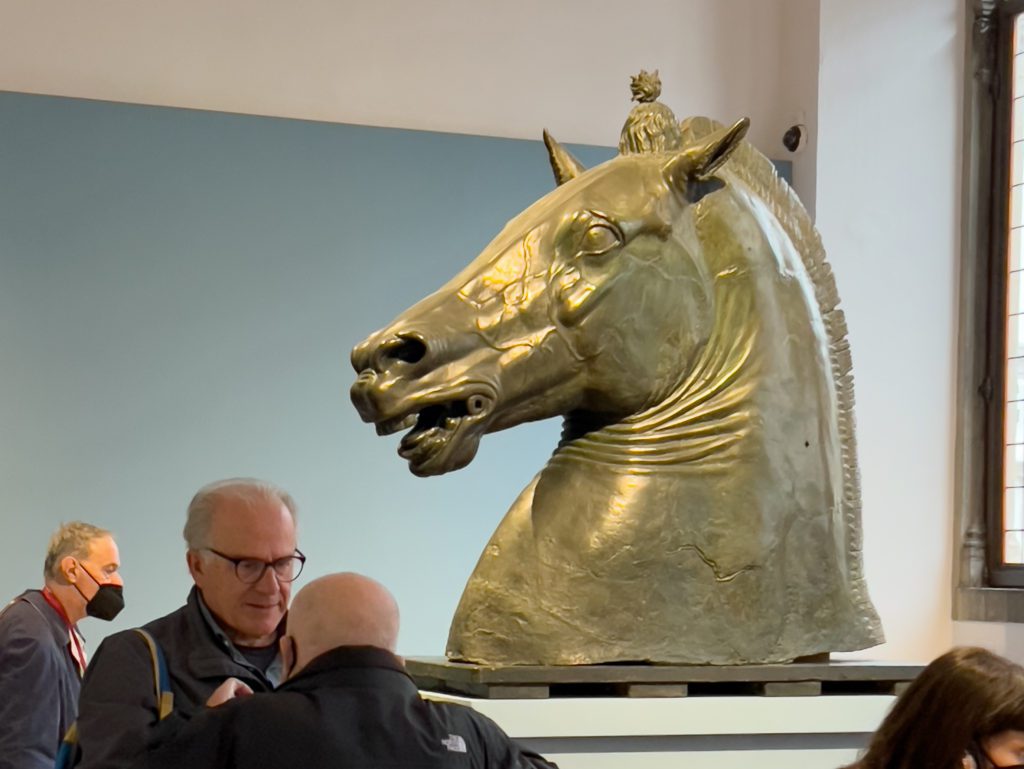
    Donatello was also willing to break with tradition. When he cast this monumental horse head as part of a tribute to Venetian military hero Erasmo da Narni, he caused a scandal. No one had cast larger-than-life statues of military heroes since the time of the Roman Emperors.

    After Donatello, it became common practice to portray powerful political figures as Roman emperors…to make a political point.
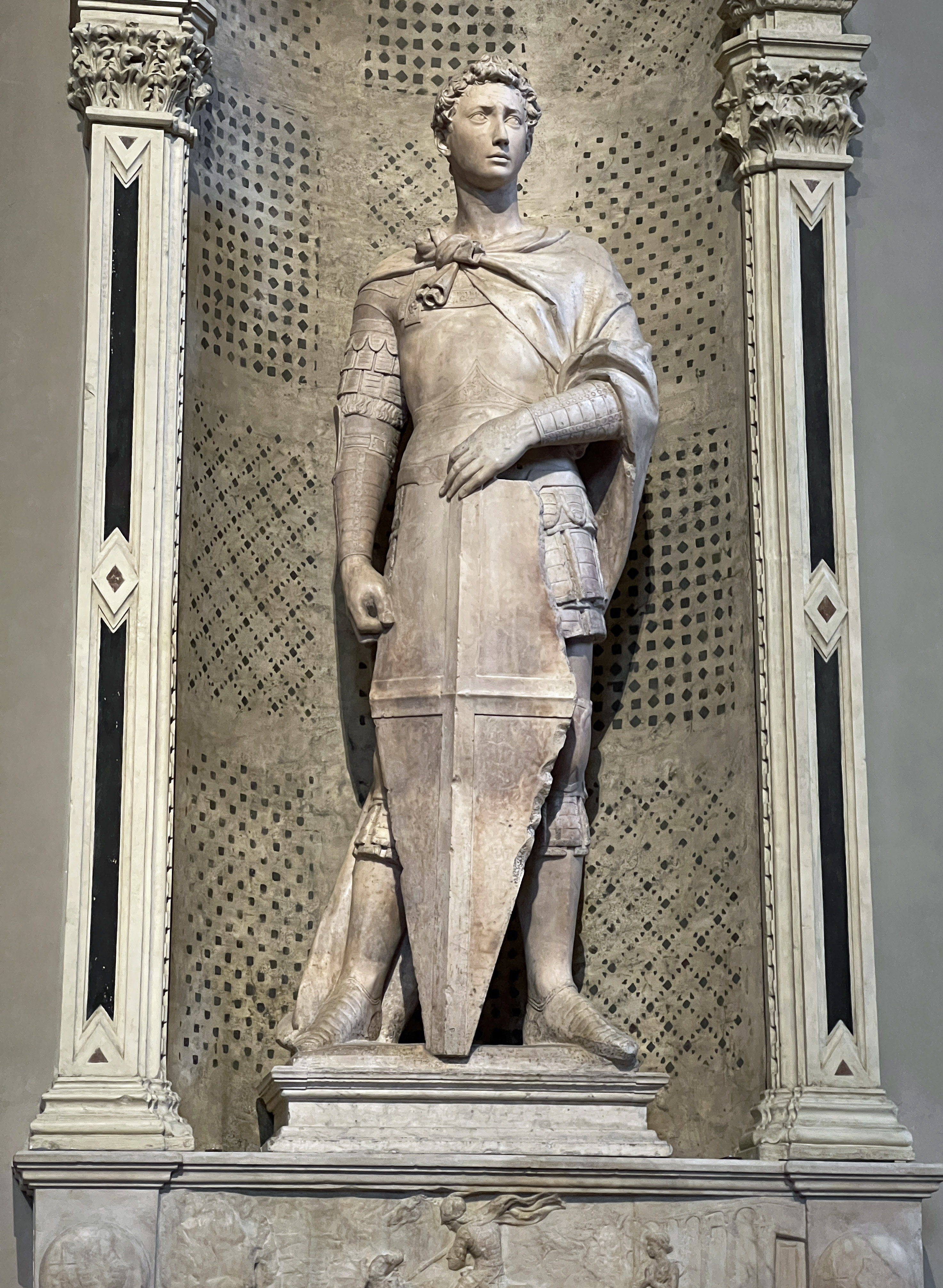
    We found this piece of sculpture puzzling. It lacked the dynamism of most of the other pieces in the exhibition. But why?

    It turns out this statue of St. George was commissioned by the armorers’ guild for the church of Orsanmichele in Florence. The guild was interested in showing off examples of its armor…note the shield, breastplate, and arm protectors.

    Below the statue is the bas-relief of St. George slaying the dragon, part of which is shown as the example of perspective displayed above.
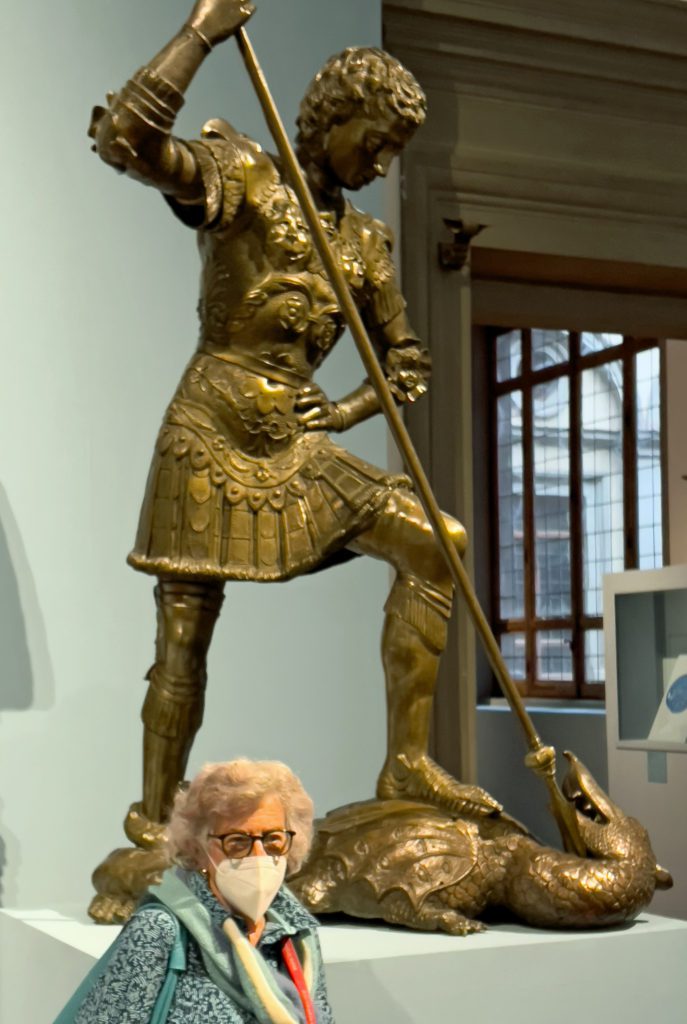
    In a later version of St. George, Donatello shows the same figure in a more dynamic pose.
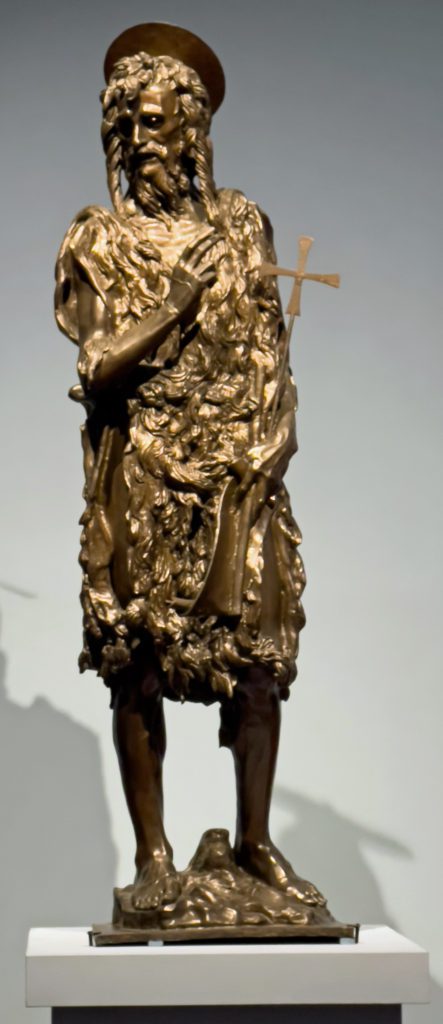
    Roger’s favorite sculpture in the exhibit was Donatello’s John the Baptist. He portrays St.John as an old man, with spindly legs, dressed in a hair coat that looks like rags.
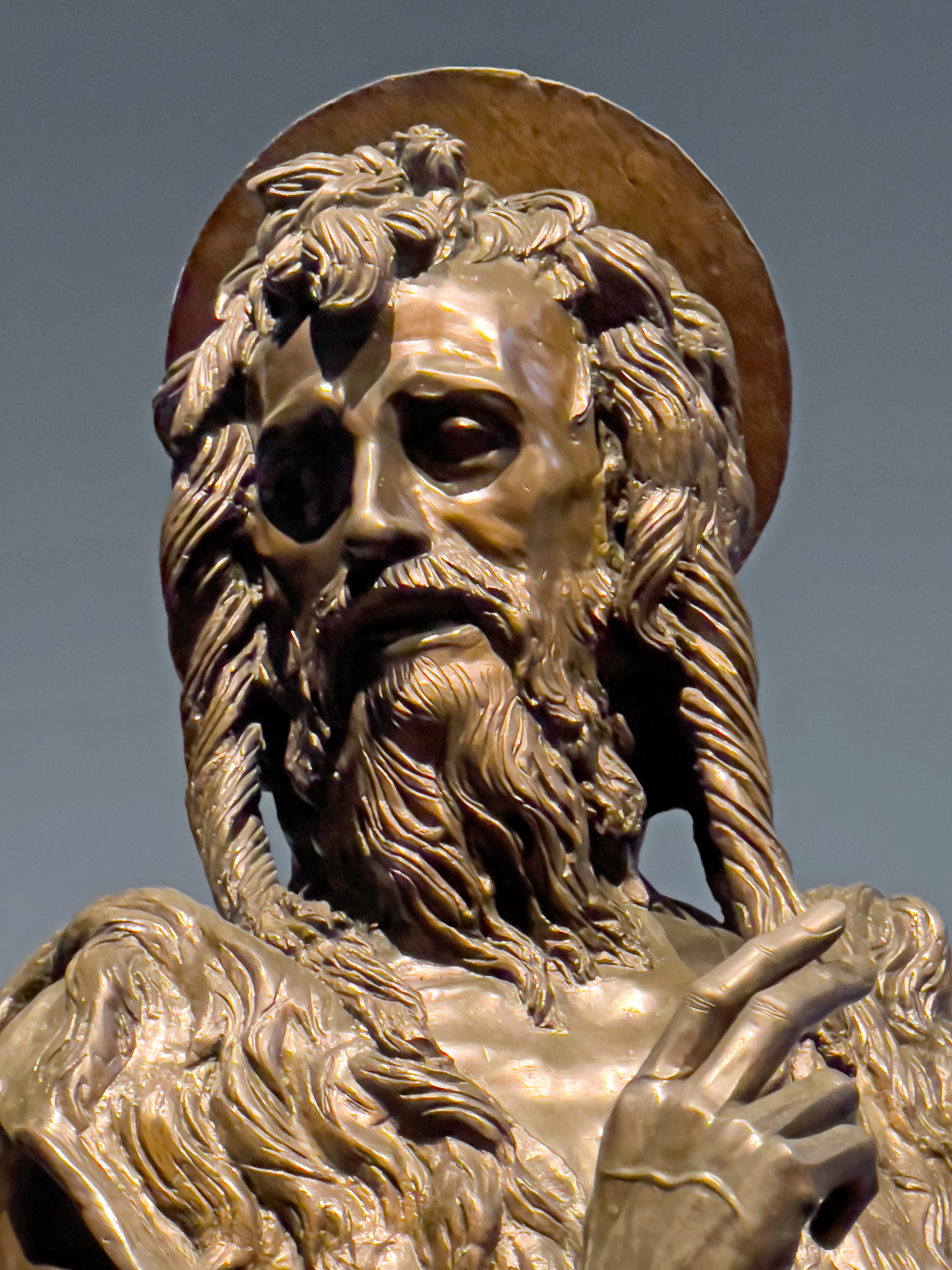
    Note the face of John. The skin is parched and dry, like an old man’s. You can see the veins standing out on his hand.
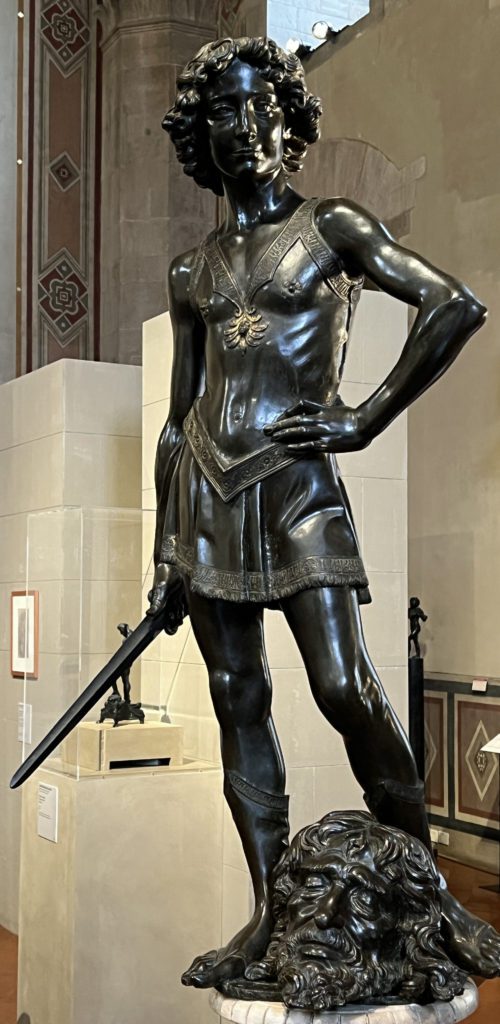
    Donatello was so influential, many of the artists of his time blatently copied his style…as in this Andrea del Verrocchio statue of David.

    Both Leonardo Da Vinci and Michaelangelo admitted their debt to Donatello…as a source of their inspiration.

    This exhibition will hopefully create the recognition Donato Niccolo di Betto Bardi deserves, as a ground-breaking figure in Renaissance art.
  • Pienza Christmas Traditions

    Carol and Roger have been coming to Italy for more than two decades, but we have never been here for the Christmas season…until this year. As the home of the Catholic Church, we assumed Italy would celebrate Christmas differently than in the United States, but we didn’t know how.

    Christmas Season

    Unlike in the USA, the “Christmas season” does not begin before Thanksgiving and creep earlier onto the calendar with each passing year. In Italy, it’s well-defined and has been for centuries.

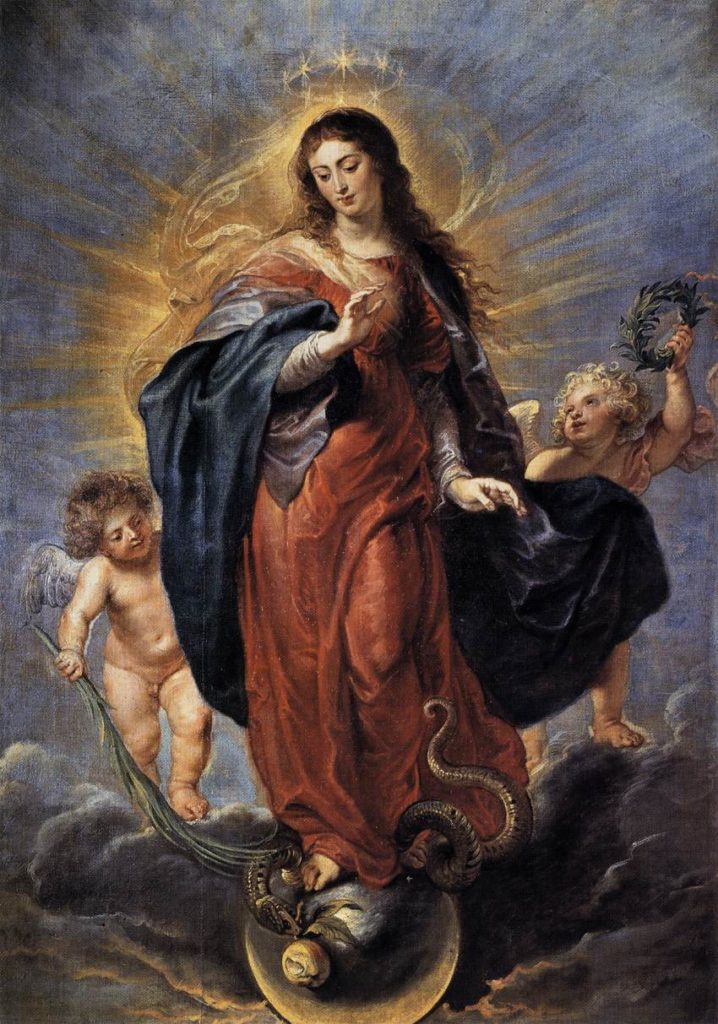
    It begins on December 8th, with the Feast of the Immaculate Conception..a national holiday. In the Catholic tradition, that’s the date the Virgin Mary was conceived free of original sin.

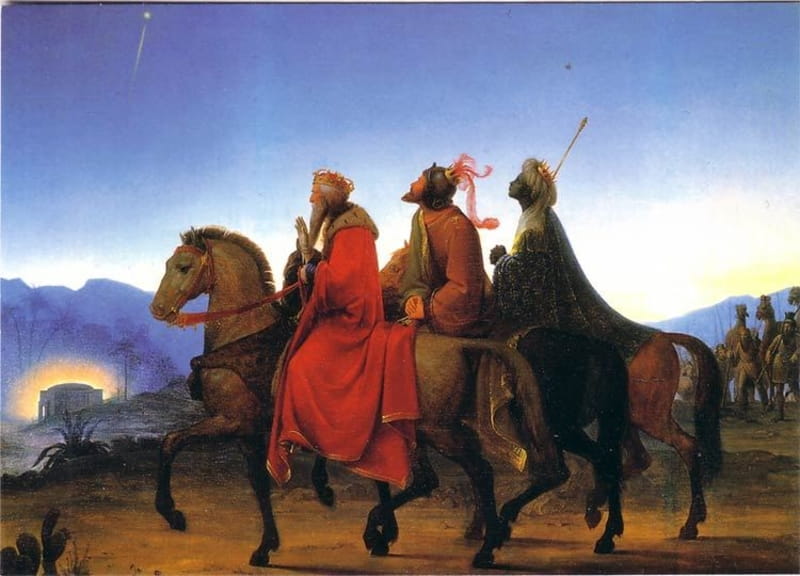
    The season ends on January 6th with the feast of the Epiphany…in Catholic lore the day the three Magi visited the baby Jesus.

    Gift Giving

    While Christmas in the USA is…in our observation…more of a commercial than a religious holiday, that is not the case in Italy.

    Gift-giving on Christmas day is certainly becoming more common, thanks to the influence of American popular culture.

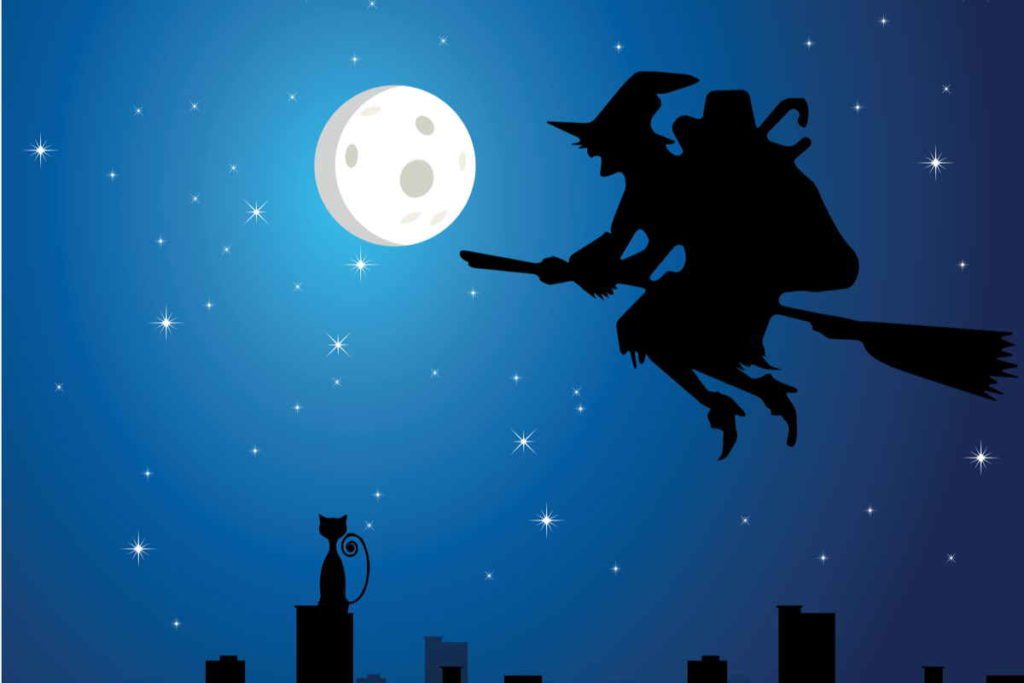
    More traditionally, gifts are given on Epiphany …when the witch Befana stuffs good children’s stockings with goodies and misbehaving children’s stockings with a lump of coal.

    Christmas markets are common all across Italy.

    In neighboring Montepulciano the booths sold wine, handcrafts, and…most commonly… Christmas sweets.

    Decorations

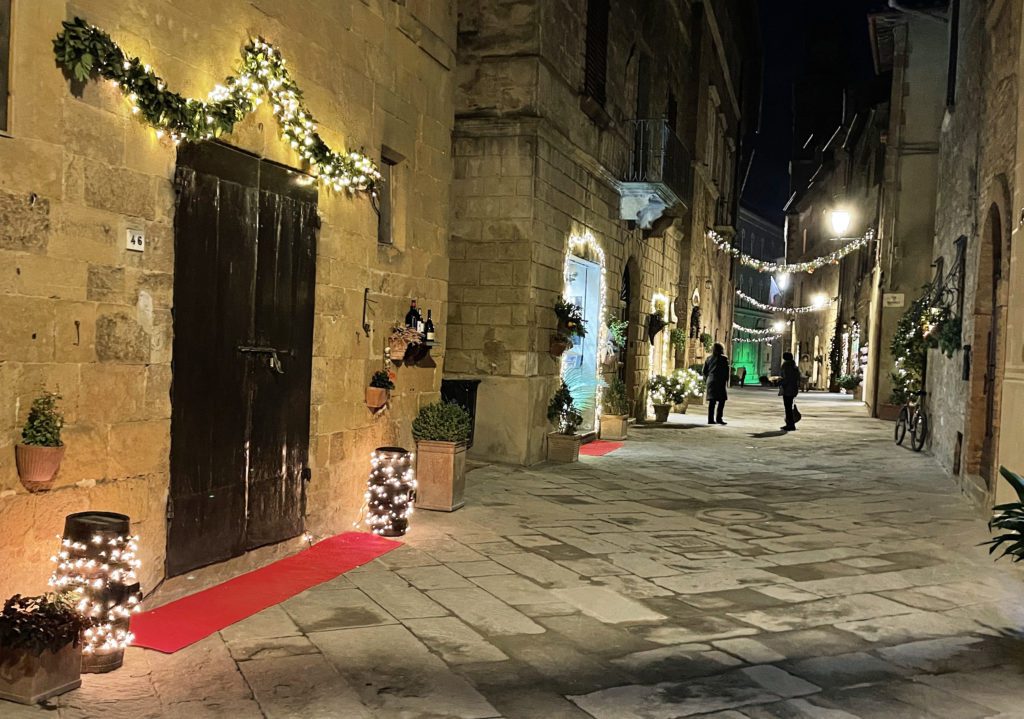
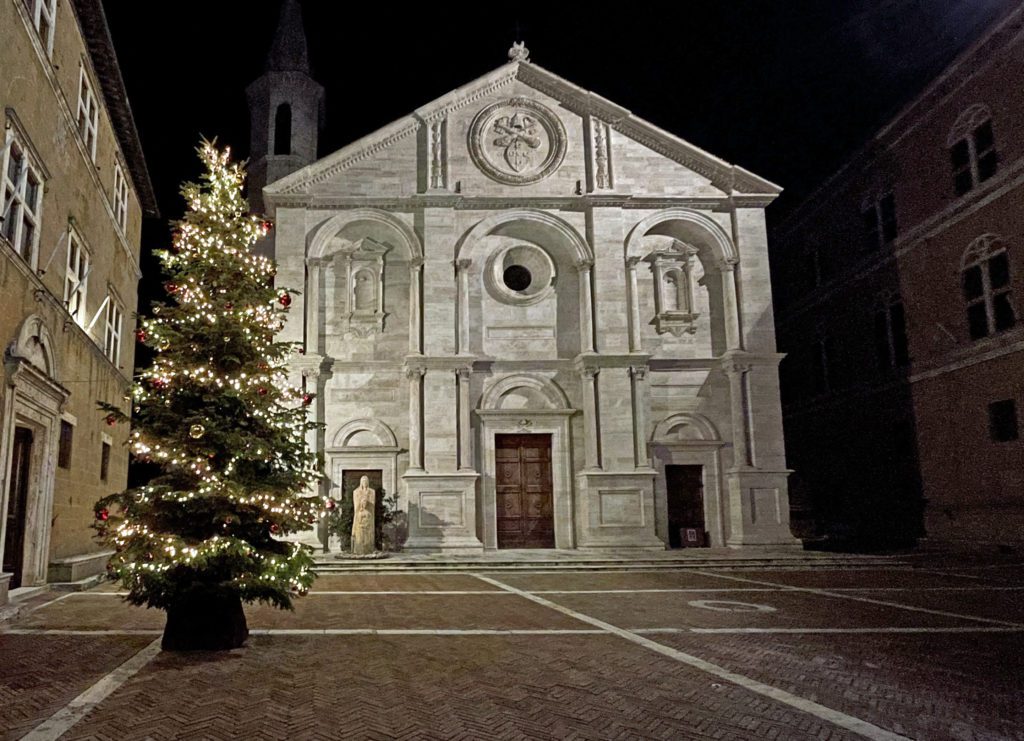
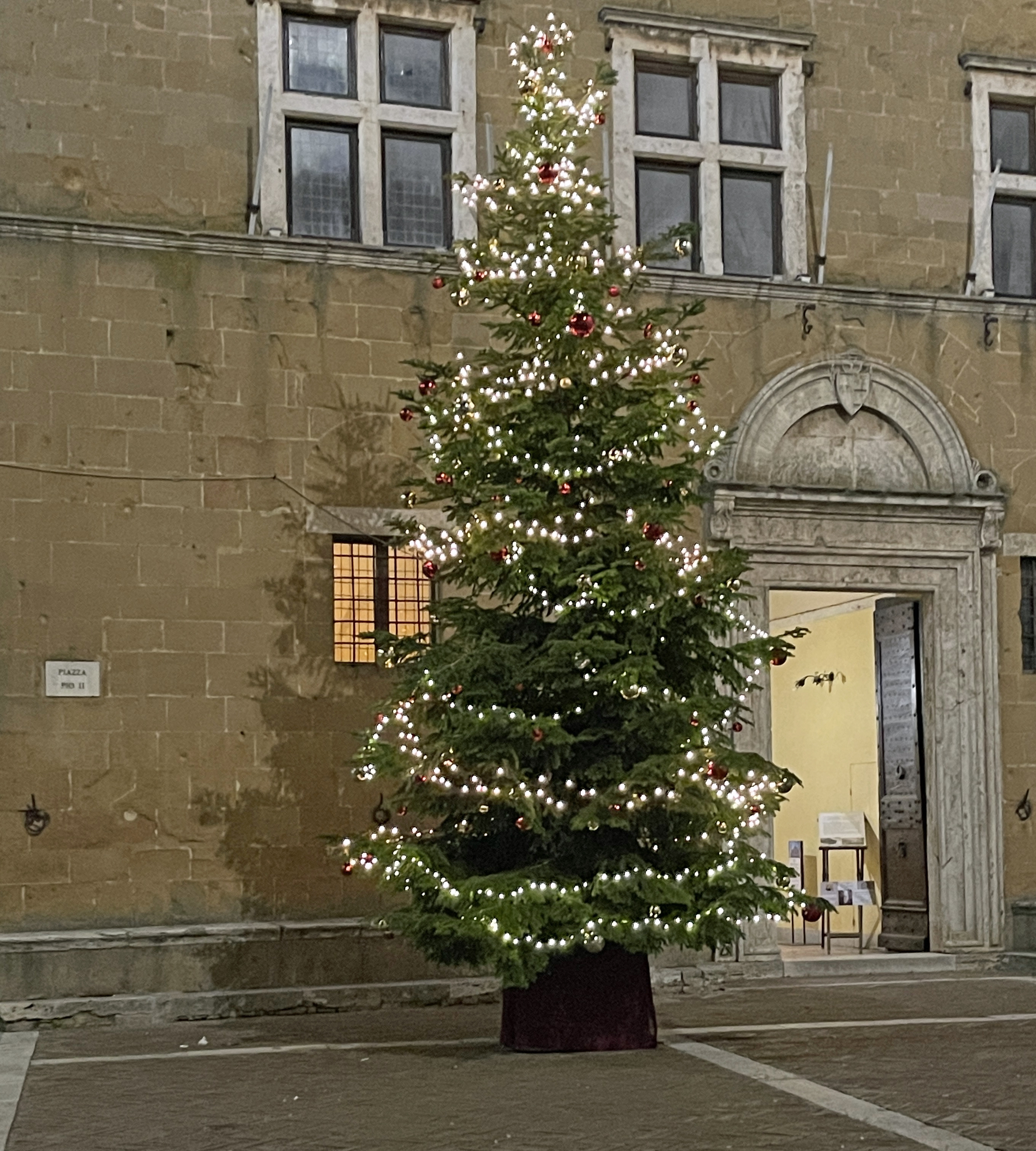
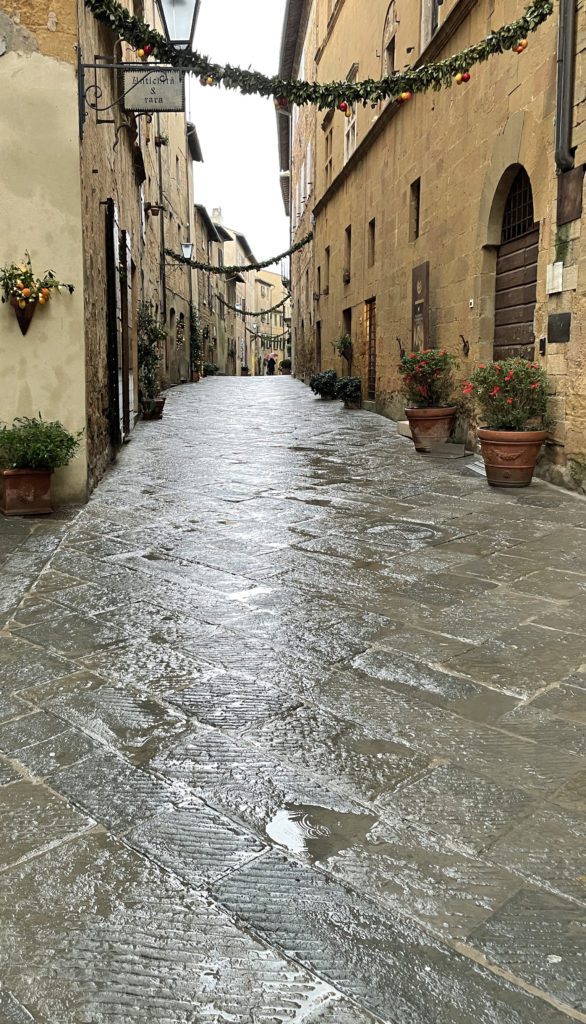
    If the small towns in Tuscany go overboard with anything for Christmas, it’s with decorations.

    This is Pienza’s main street…

    … One of it’s restaurants…

    …And the piazza in front of the Cathedral.

    Christmas trees are not a long-standing tradition. Before WWII, they were extremely rare.

    The Vatican put up its first tree in 1982, when Pope John Paul II brought a Polish tradition to Rome.

    Our friends do not have trees in their homes; trees are largely in public places.

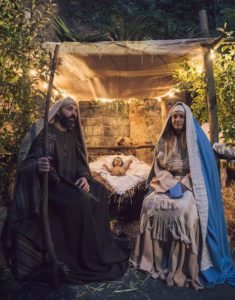
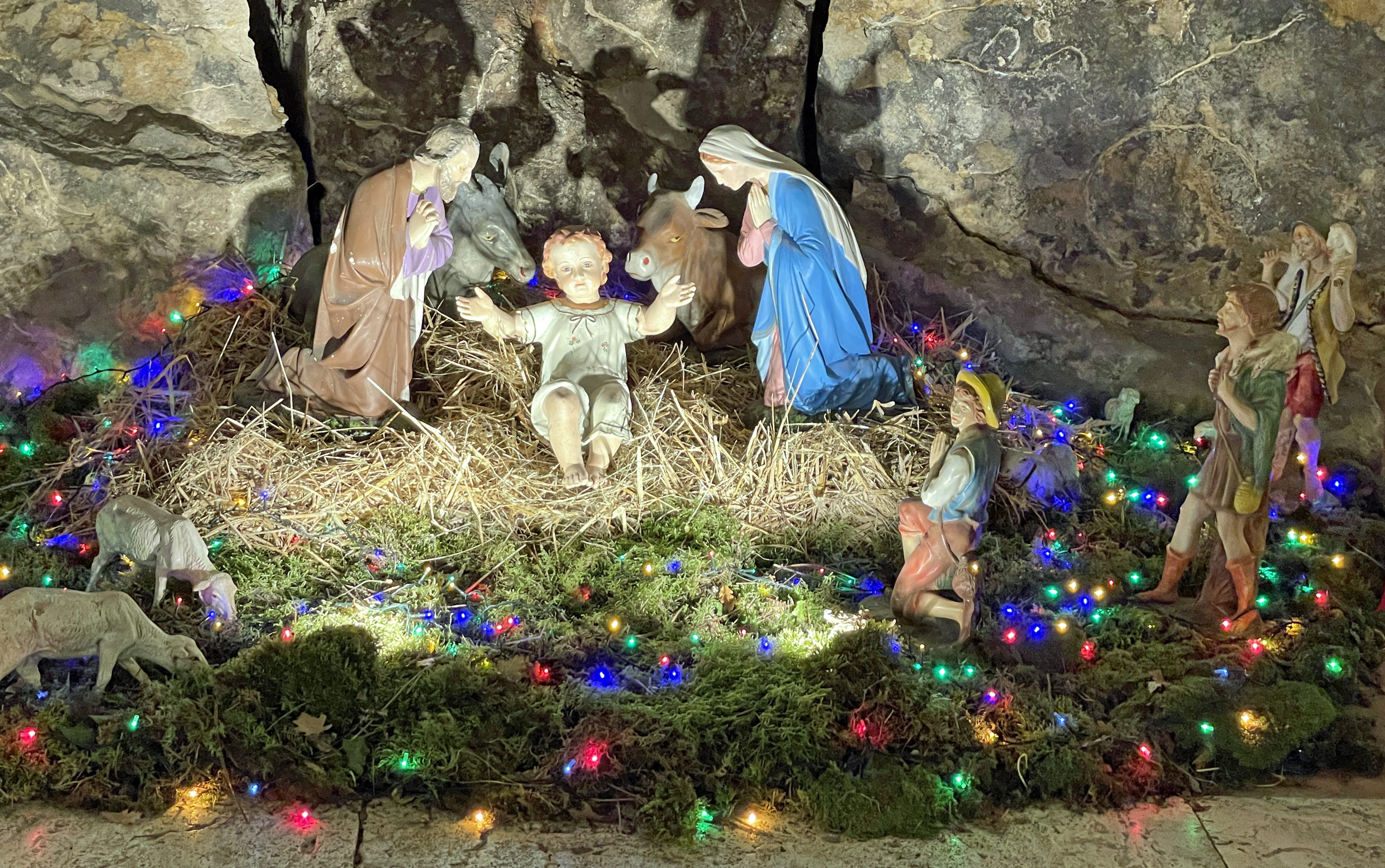
    Nativity scenes are more common than Christmas trees and date back much farther. Many, like this one in Lucca, are populated by real people rather than statues.

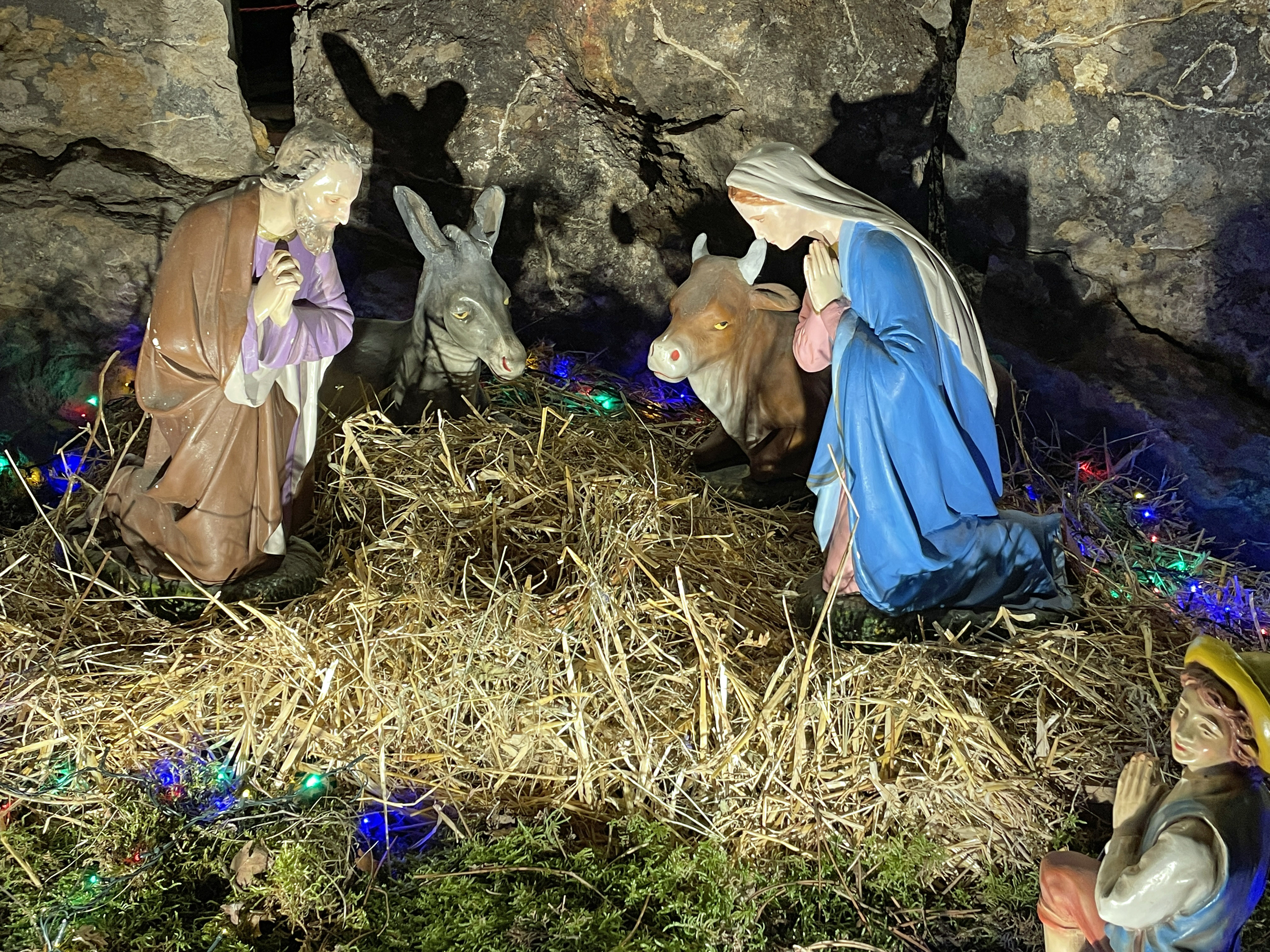
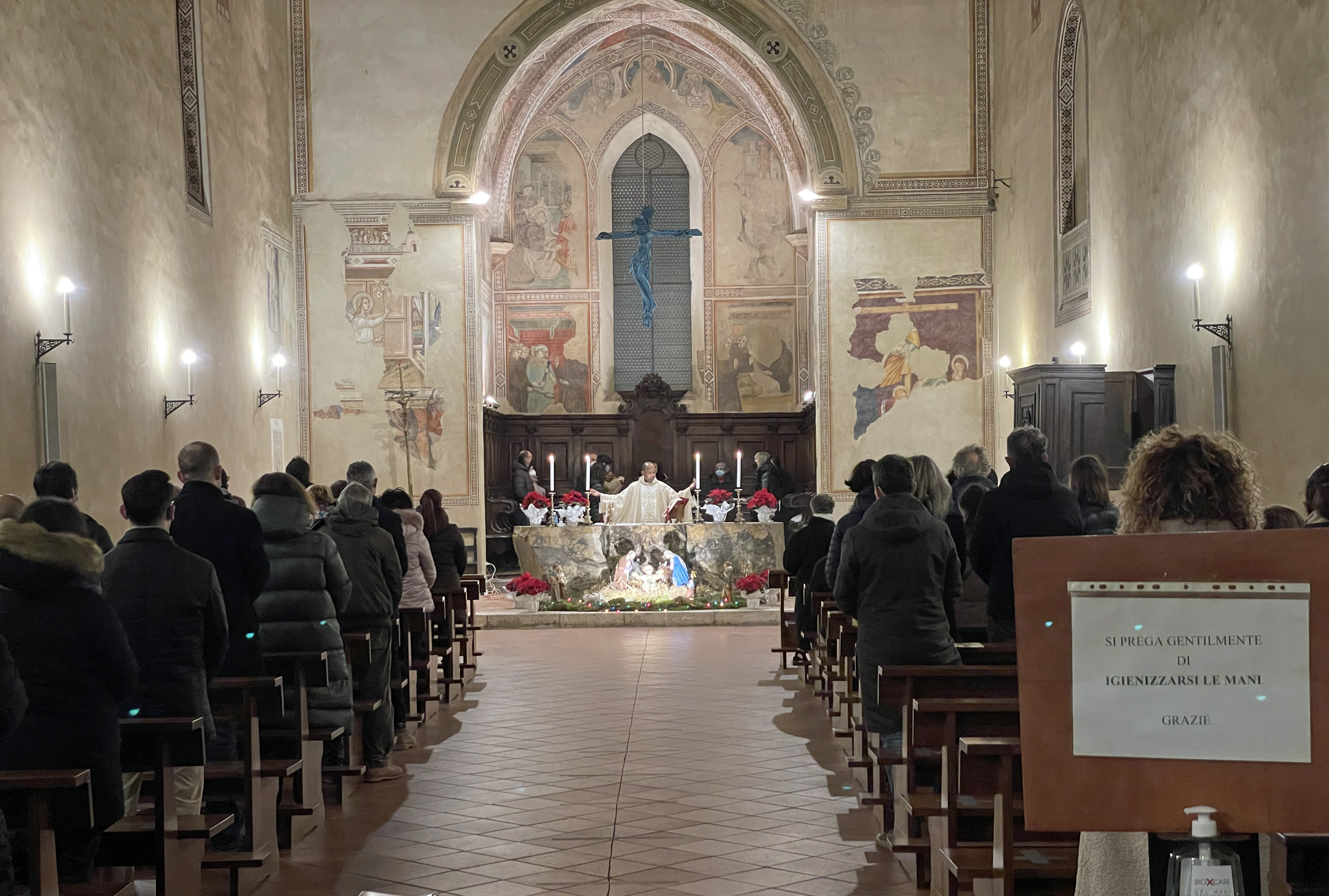
    In the run-up to Christmas, nativity scenes…like the one in Pienza’s Chiesa San Francesco…are missing something…

    Baby Jesus.

    He doesn’t get added to the display until midnight mass on Christmas Eve.

    Christmas Eve

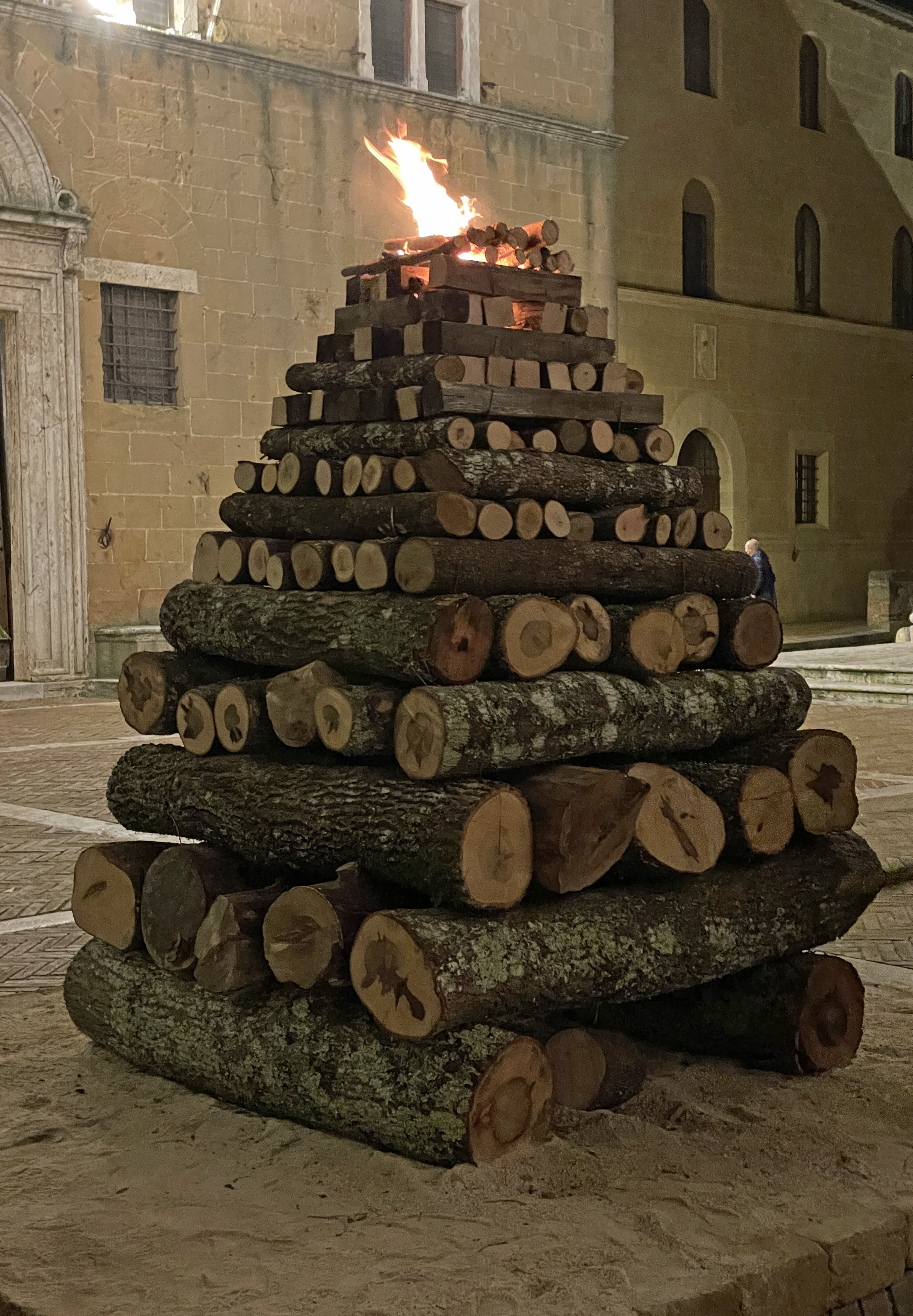
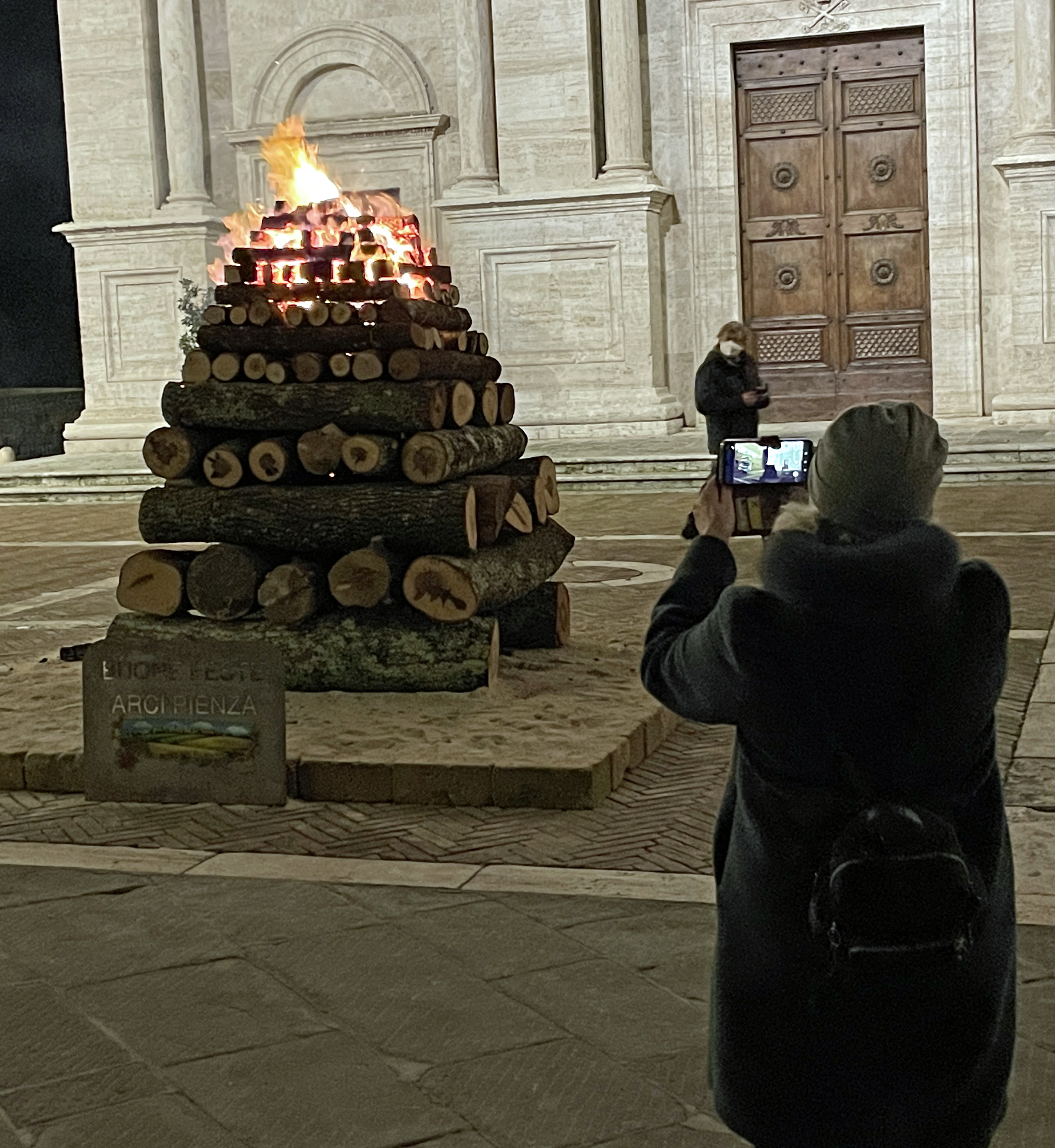
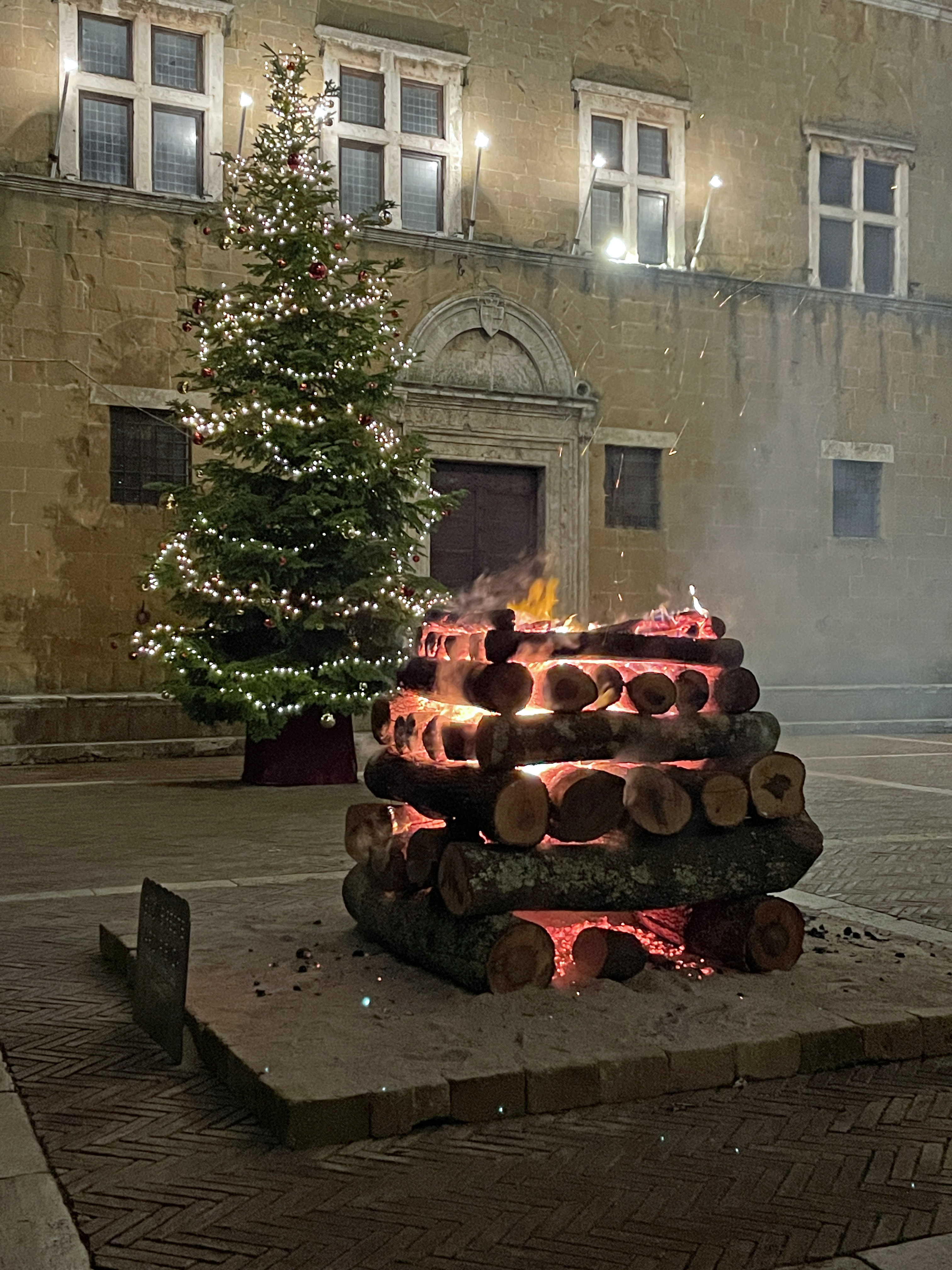
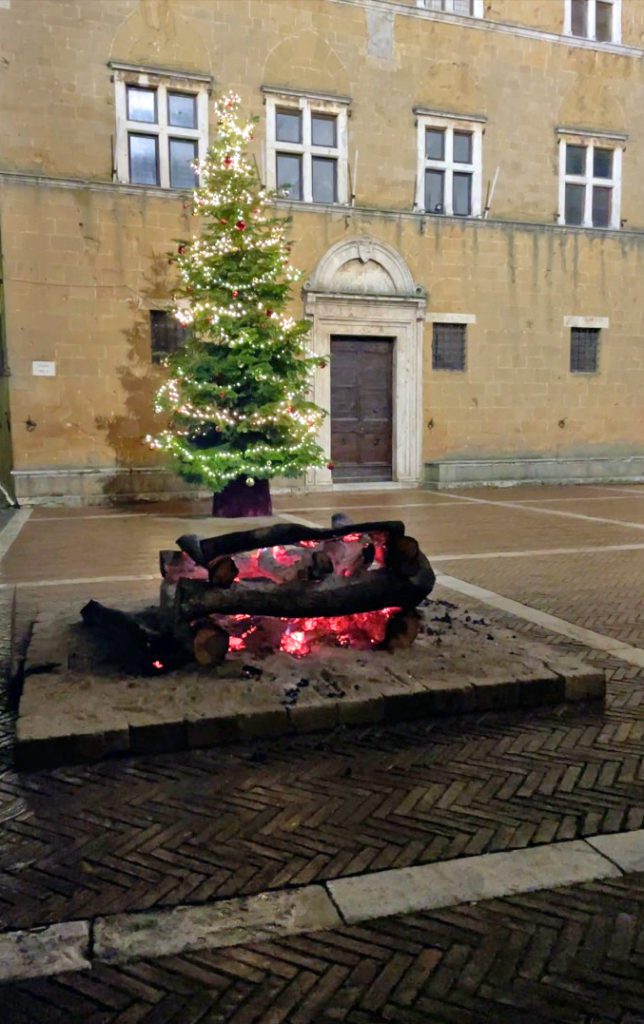
    One of the oldest Christmas eve traditions in Pienza is the bonfire in the piazza outside the duomo. Traditionally, the bonfire has been lit right after the end of early mass, when a crowd exiting the church could gather. This year at least, COVID and a light rain kept the crowd sparse. At midnight, a group of twenty-somethings gathered under the portico of city hall, out of the rain, to celebrate together.

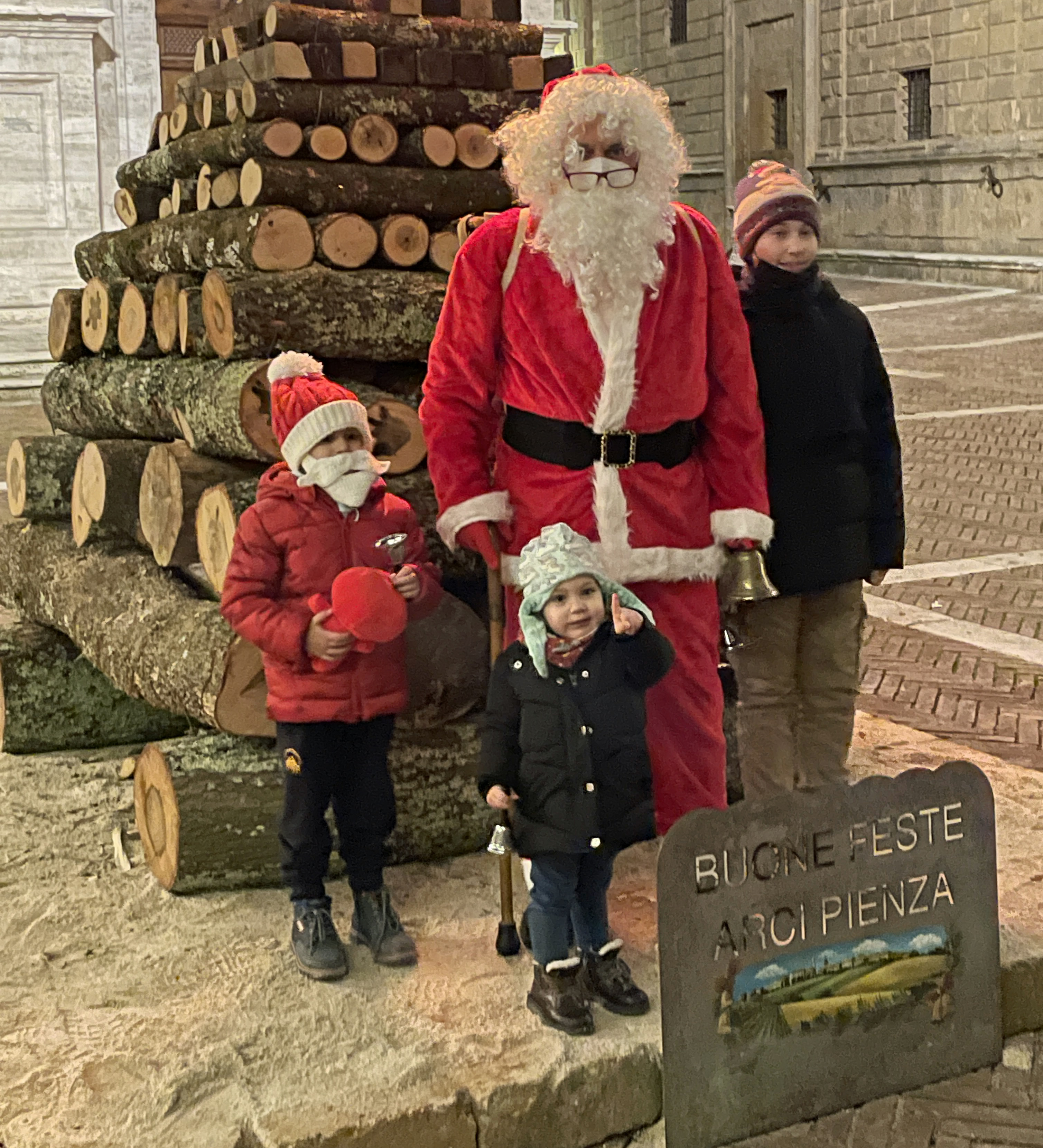
    Babo Natale (Father Christmas) had been conspicuous by his total absence from Pienza until Christmas Eve. (How different is that?)

    He put in a brief appearance to be photographed with his “grandchildren” and then disappeared into the night.

    Christmas Eve ended with Midnight Mass.

    In a country where church-going is even less common than in the United States, a fair-sized crowd turned out to welcome in the holiday.

    Christmas Day

    Christmas Day is a day spent with family.

    Late Christmas morning, the streets of Pienza were empty. Carol pointed out, the women in the family were all home cooking.

    Roger assumed if the women were cooking, the men were therefore watching soccer on TV. But alas, no soccer games scheduled on Christmas Day! (How different is that?)

    As Carol and Roger walked through town, everything was buttoned up tight…

    …except for La Poste, their favorite place to get a cup of coffee…and Pienza’s version of Cheers.

    And true to tradition, the Nativity scene in Chiesa San Francesco now contained the baby Jesus.

  • The Oldest City in Europe

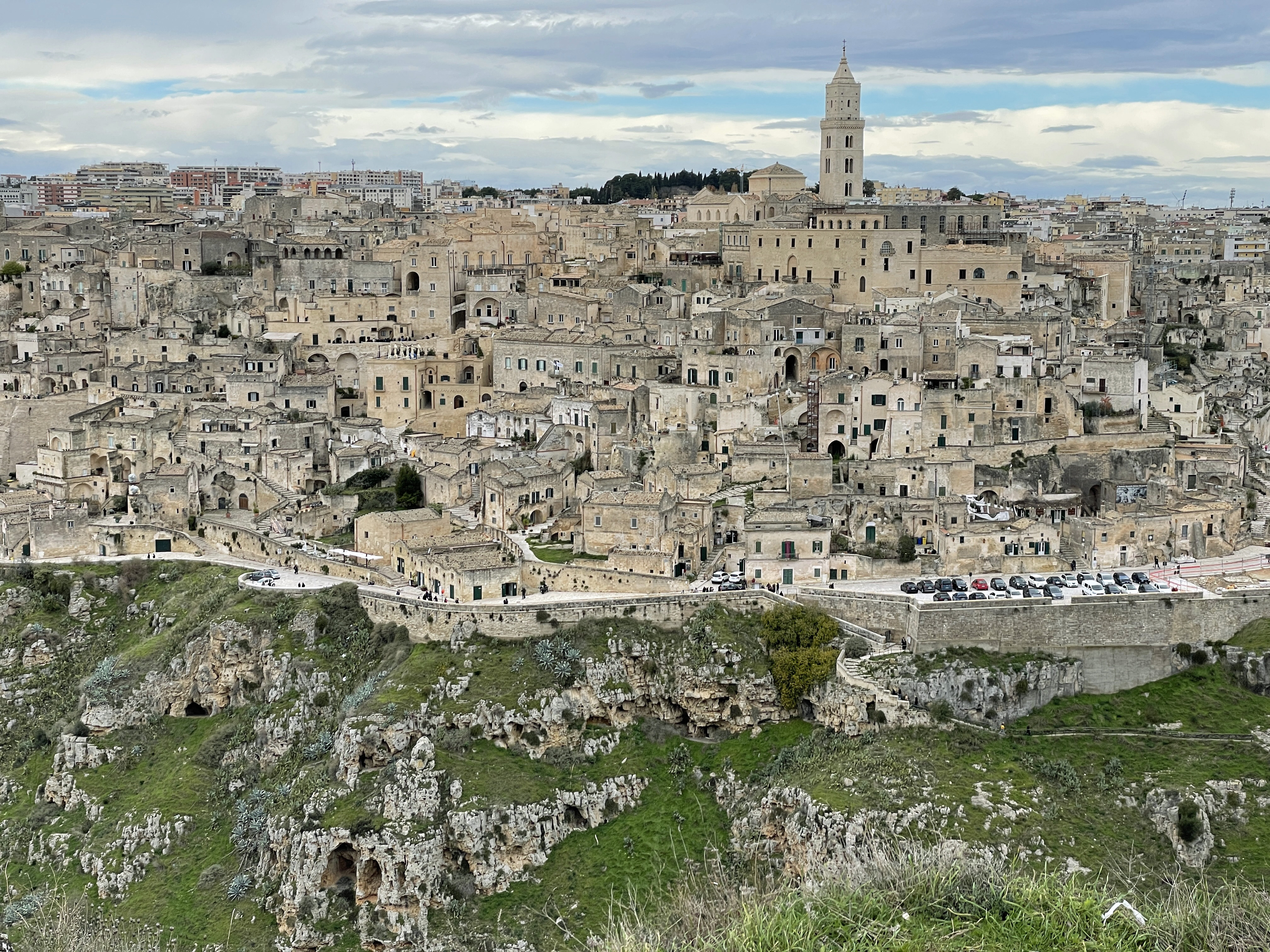
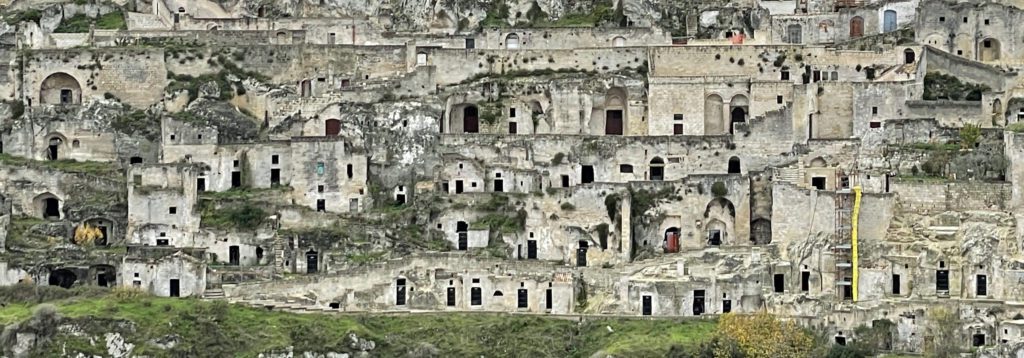
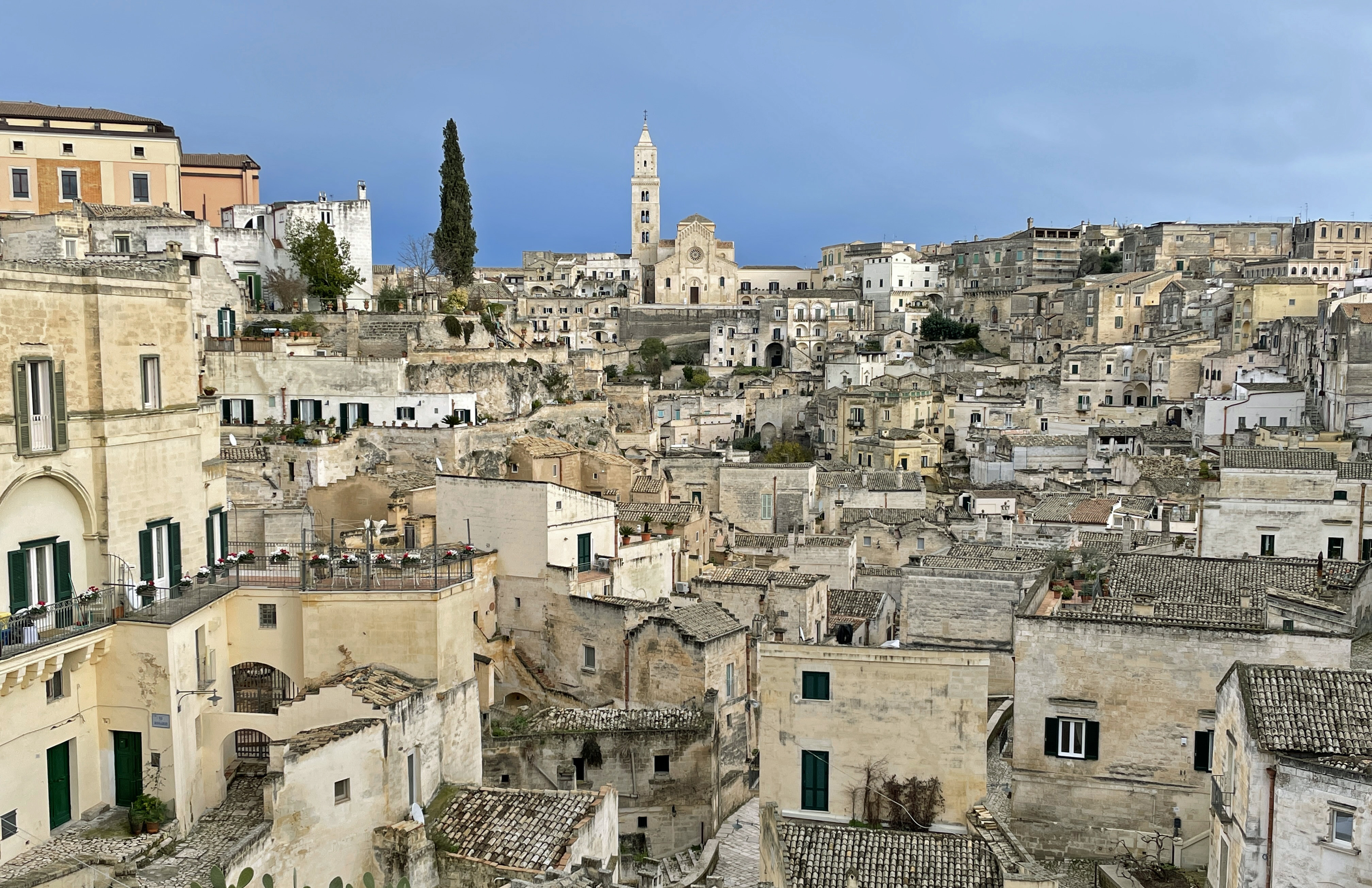
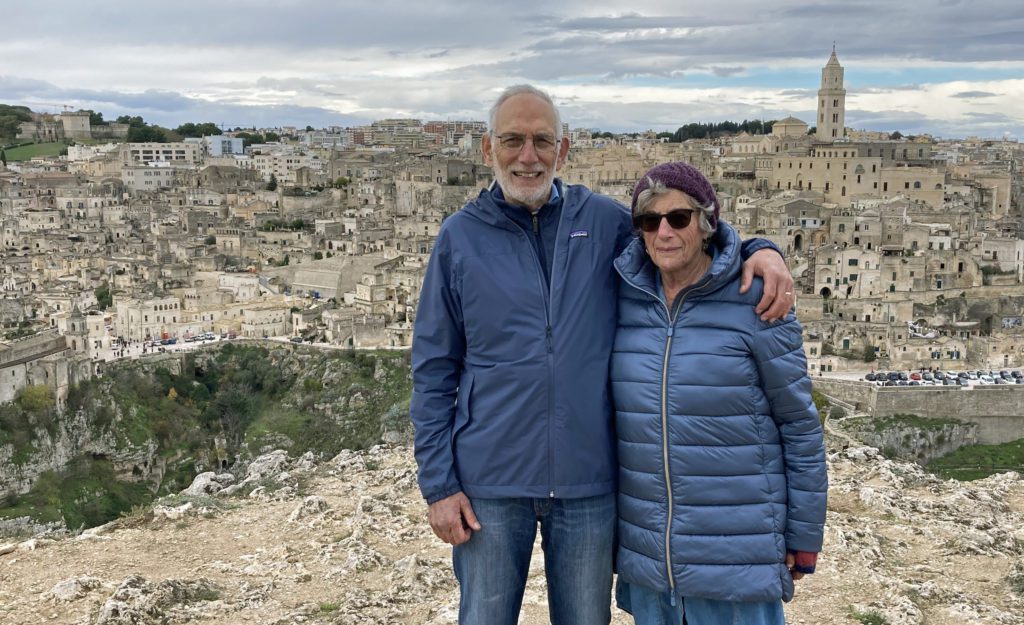
    This is Matera, the oldest city in Europe…and the third oldest city in the world. Archeologists date the first settlements to the Paleolithic Era, when people lived in caves.

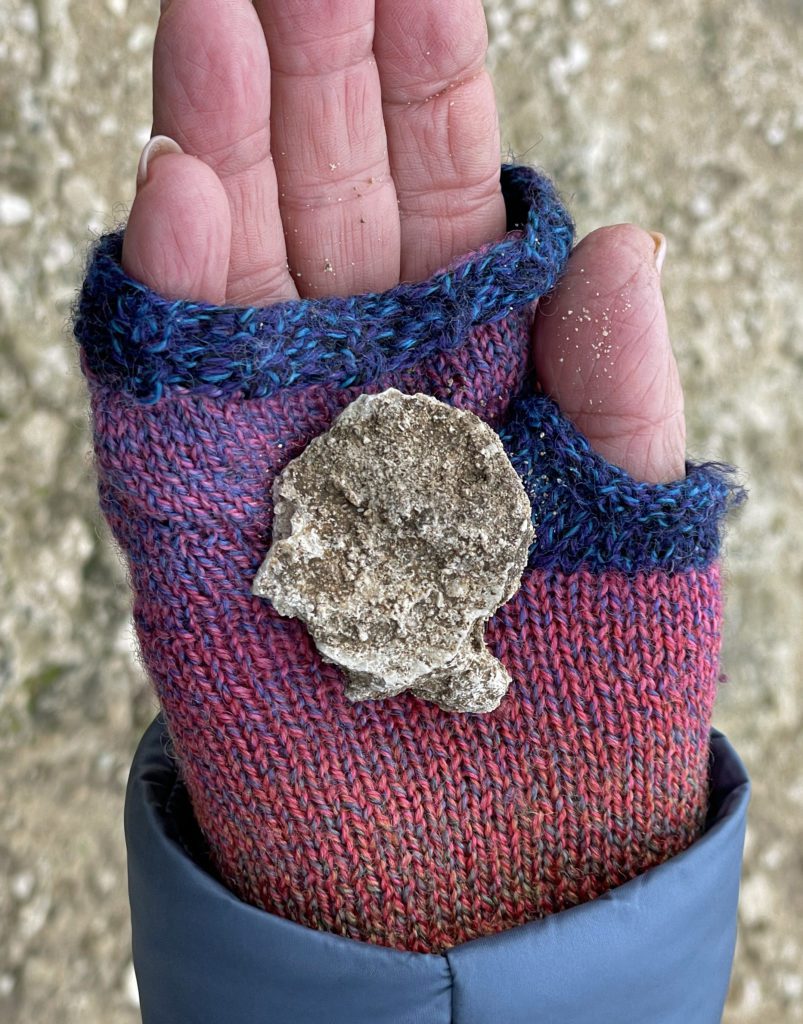
    Eons ago in geologic time, the sea covered the ravine that now sits below Matera.

    As evidence, we found this fossilized sea shell across the gorge from the city.

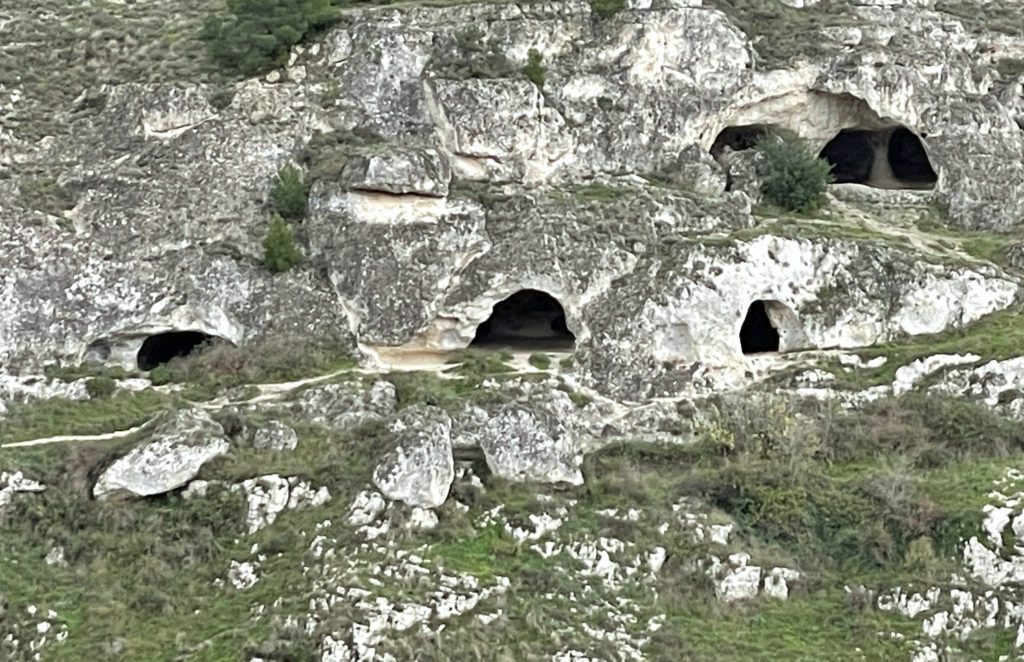
    Thousands of years of wave action on the soft rock….

    …created hundreds of caves.

    Then the sea receded.

    Where the city’s cathedral now sits…..

    …was once the original site of a paleolithic village.

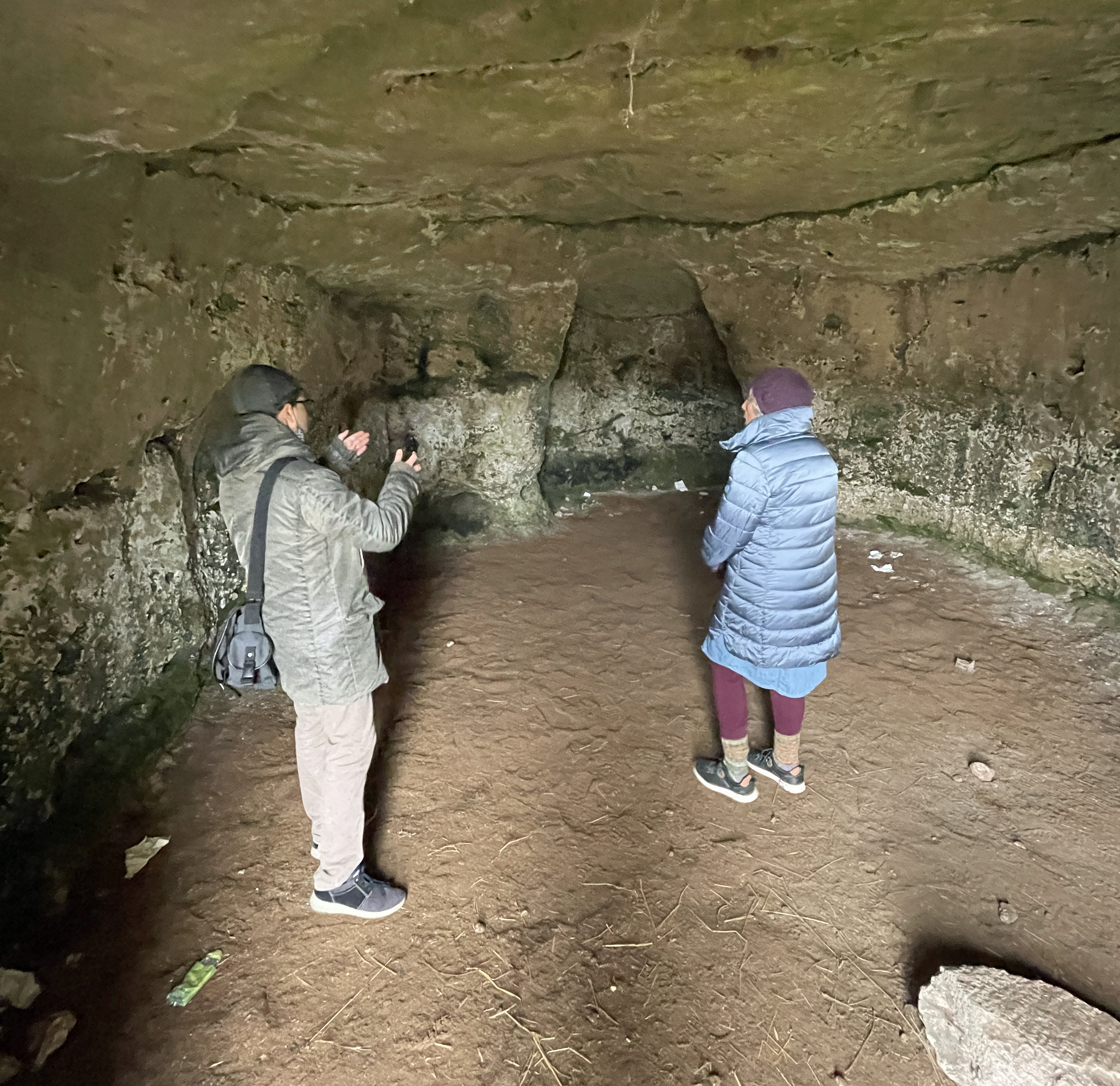
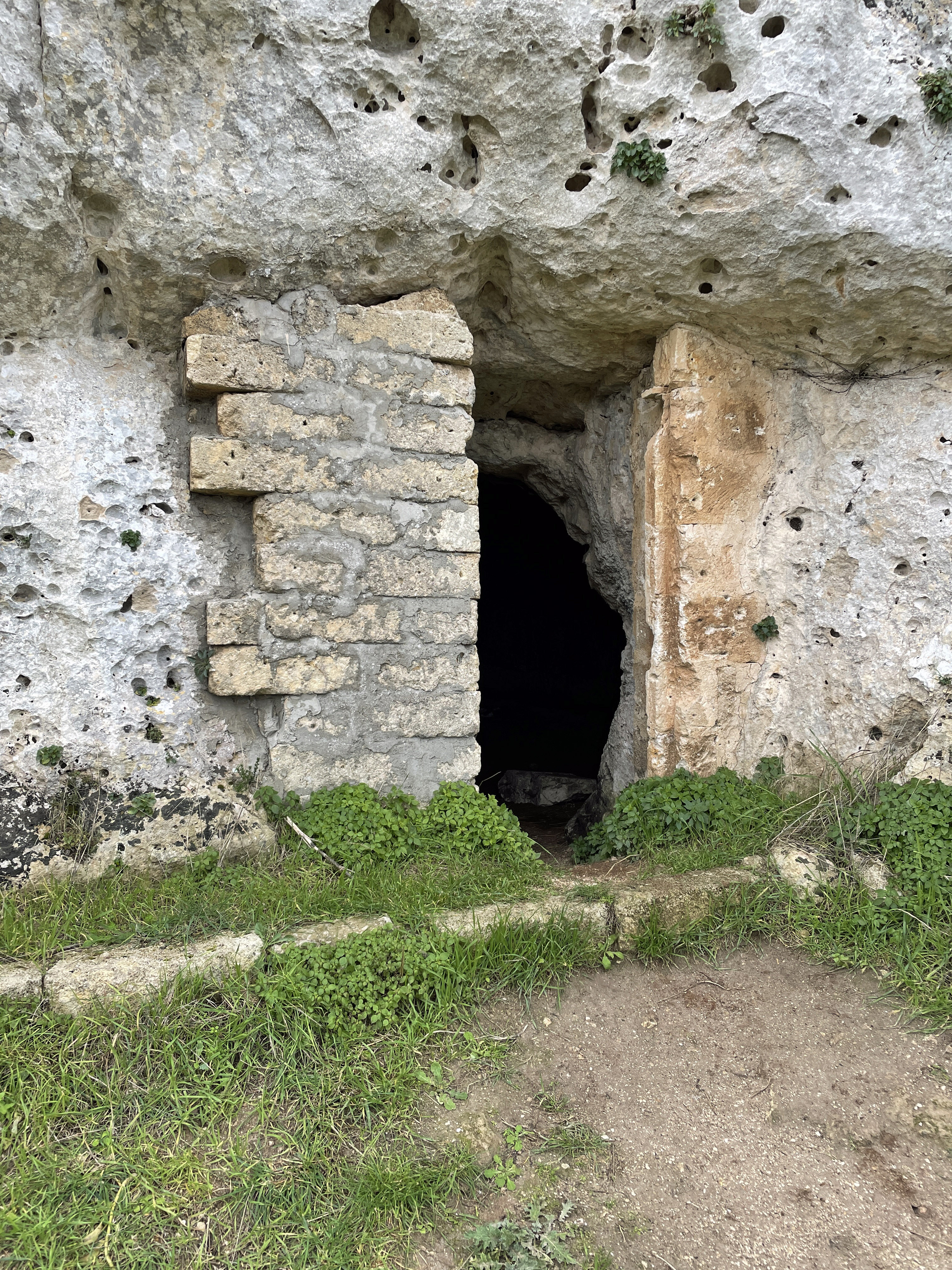
    Most of the caves were small, barely providing any shelter…

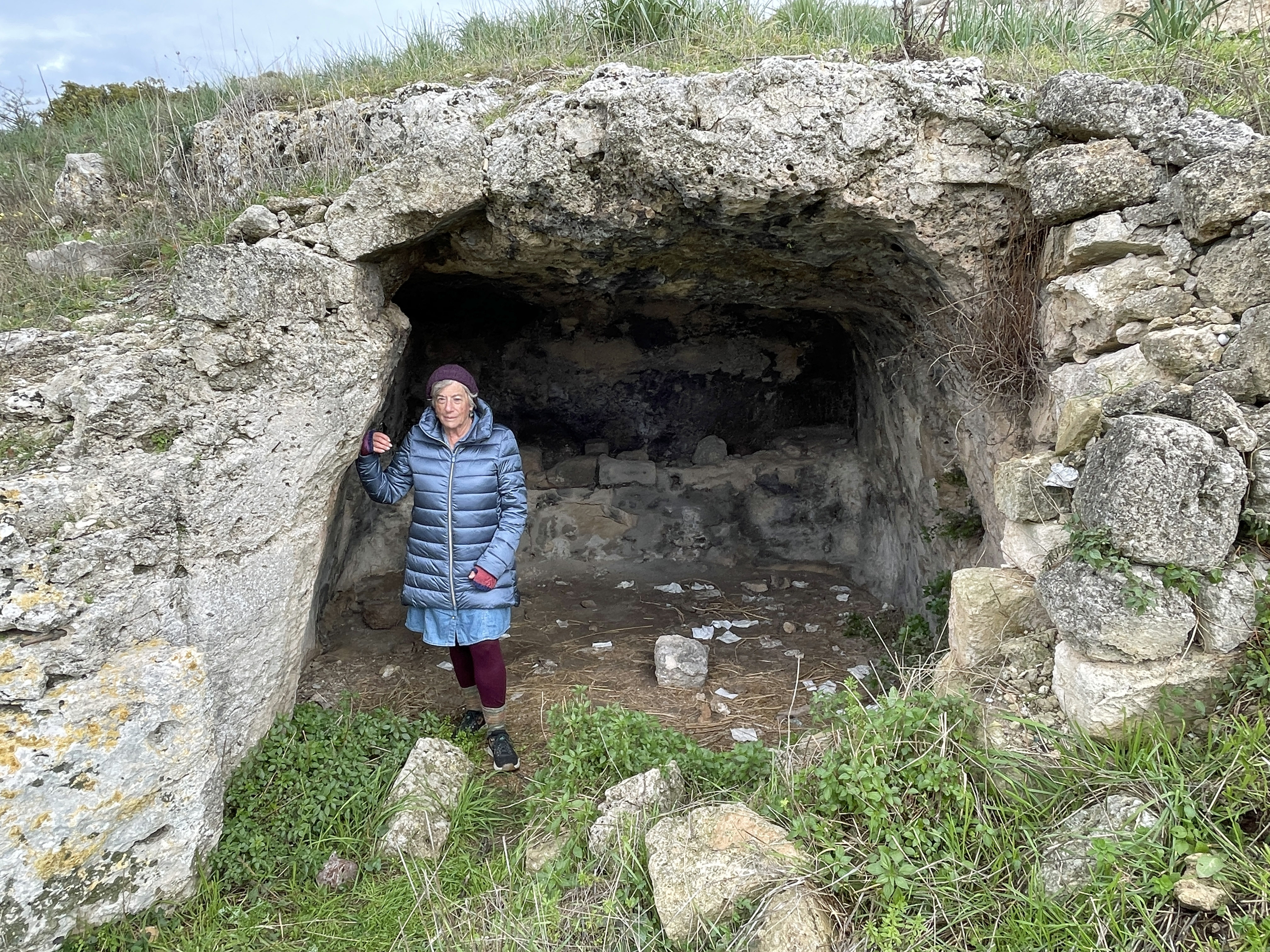
    …but some were large enough to house a family.

    Over time, the families carved out niches to store possessions….

    …and developed the skills to add some protection from the elements.

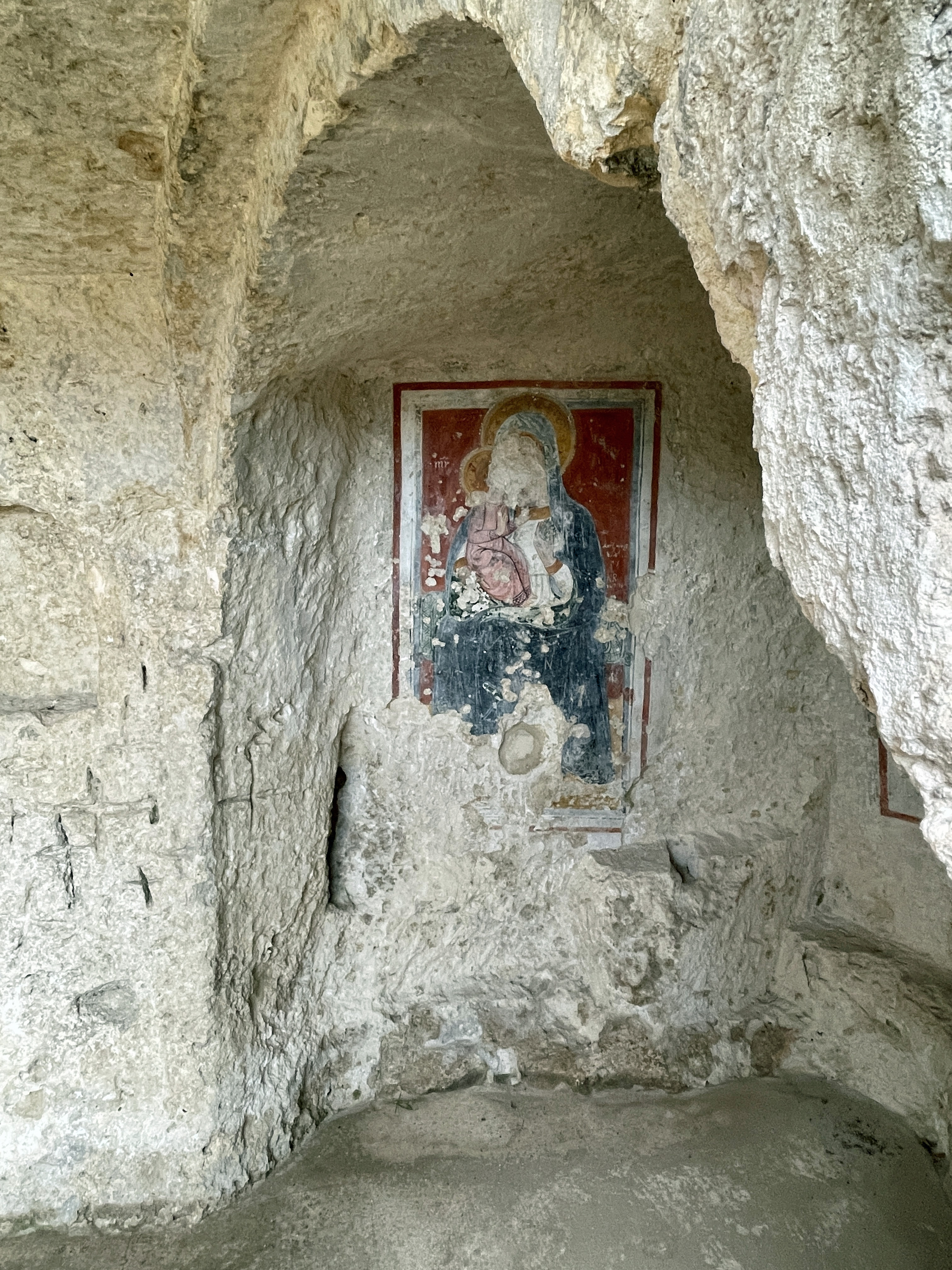
    In some caves, visitors can see the remains of frescoes painted on the walls

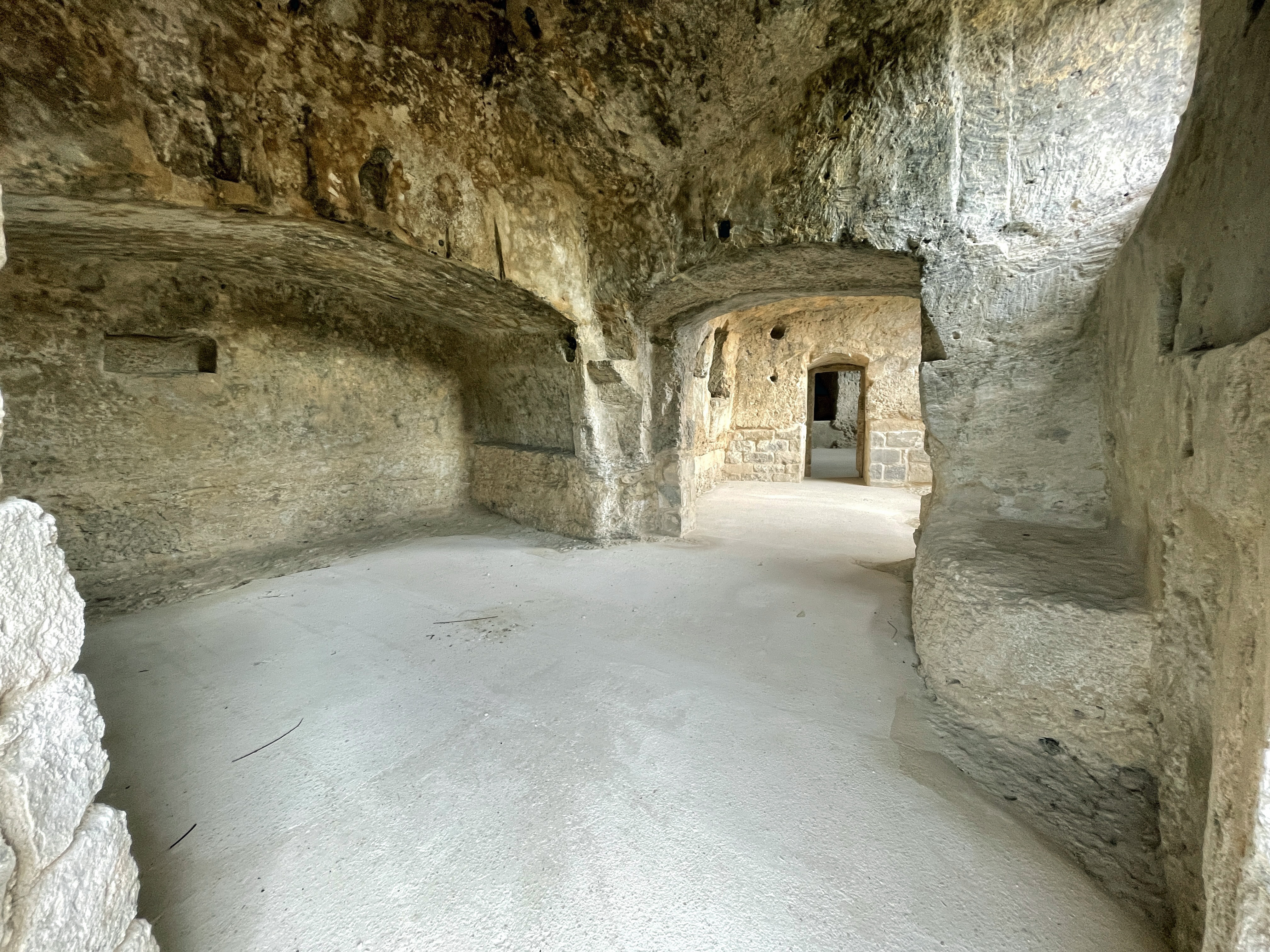
    They raised the ceilings, or punched holes to connect adjacent caves.

    When enough families do that….

    …it begins to look like a city.

    Over the centuries, families need for space outgrew what was available in the caves, so they expanded out and up.

    Increasingly, their cave homes began to look like houses.

    In all, there were 12 levels of cave dwellings in the two sassi neighborhoods…

    …seven of those levels you can see in this photo.

    Because of the build-outs…expanded facades and additional floors…each of the two sassi look pretty-much like…

    …a normal urban neighborhood.

    The problems…

    But daily life in the sassi was not nearly as ideal as this story makes it seem.

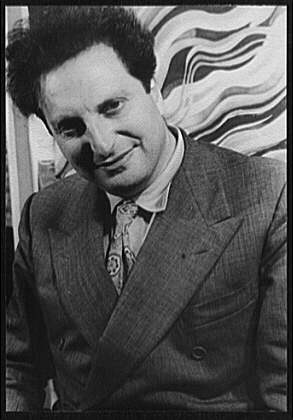
    Carlo Levy was a doctor, artist, and political activist, whose 1945 memoir Christ Stopped at Eboli describes life in the sassi.

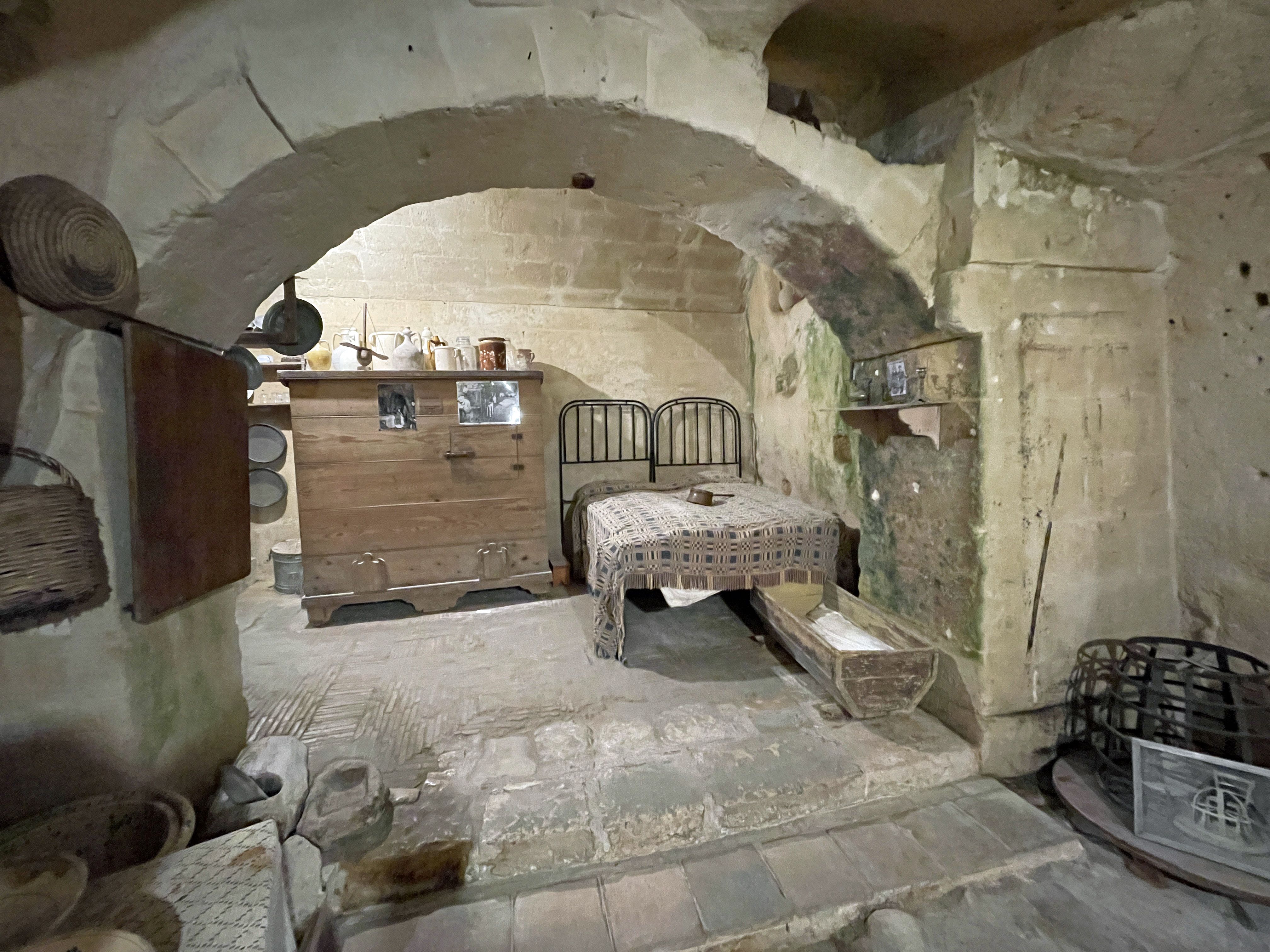
    In these dark holes with walls cut out of the earth I saw a few pieces of miserable furniture, beds, and some ragged clothes hanging up to dry.  On the floor lay dogs, sheep, goats, and pigs.  Most families have just one cave to live in and there they sleep all together: men, women, children, and their animals.

    Christ Stopped at Eboli, p. 86

    I have never in all my life seen such a picture of poverty…I never dreamed of seeing a sight like this….I saw children with the wizened faces of old men, their bodies reduced by starvation almost to skeletons, their heads crawling with lice and covered with scabs.  Most of them had…faces yellow and worn with malaria.

    Christ Stopped at Eboli, p. 86

    The thin women, with dirty undernourished babies hanging from their flaccid breasts, spoke to me mildly and with despair.  I felt…as if I were in a city stricken by the plague.”

    Christ Stopped at Eboli, p. 87

    In 1952, the Italian Prime Minister declared the poverty and poor health in Matera “the shame of Italy,” and pledged to do something about.

    The government forcibly evicted 15,000 people from their cave homes and began to place them in public housing.

    It took 15 years.

    They walled off the two sassi neighborhoods. They remained inaccessible until the 1990’s.

    The Italian government then decided to turn its greatest shame into an asset. In 1993, UNESCO declared the city and it’s cave dwellings a World Heritage Site.

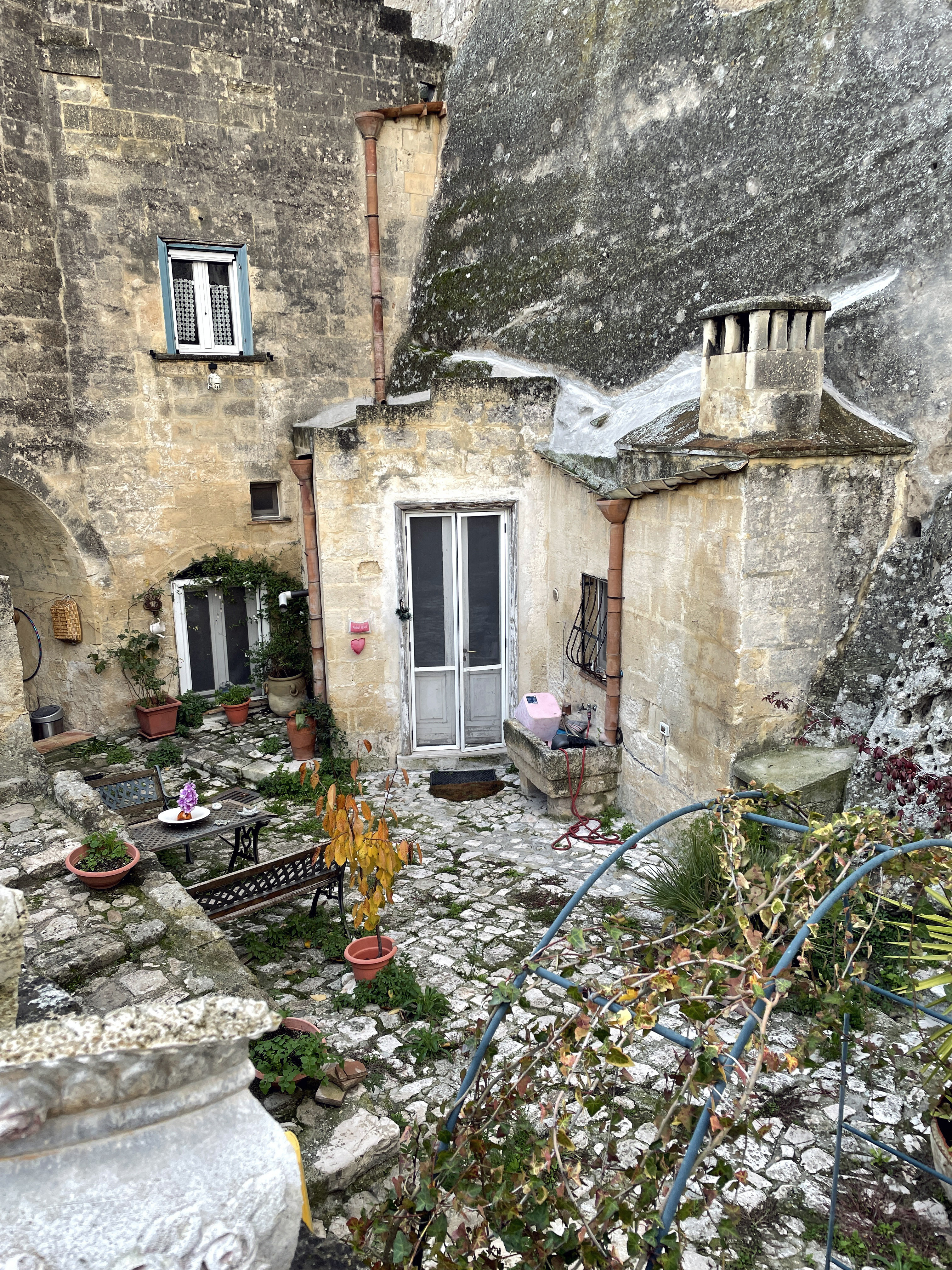
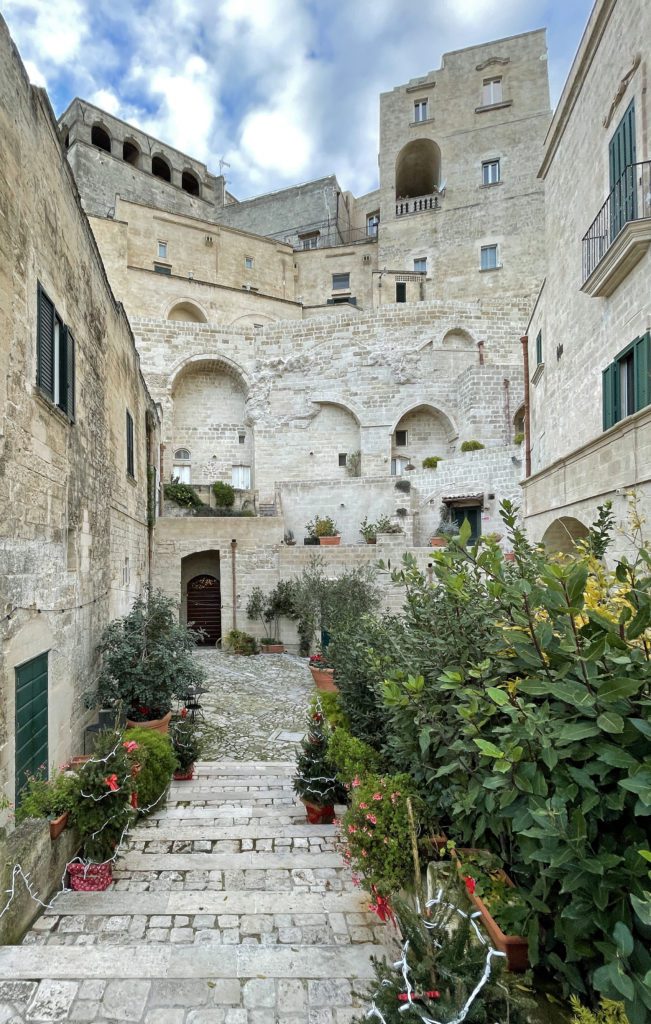
    Today, the caves have been built out and have plumbing and electricity added.

    Many of the caves have been drastically remodeled and now present themselves as upscale tourist attractions.

    And in 2019, Matera was named the European Cultural Capital for the year.

    Quite a turn-around…

    How do we know?

    How do we know…really know…how long the people of Matera have been living in caves?

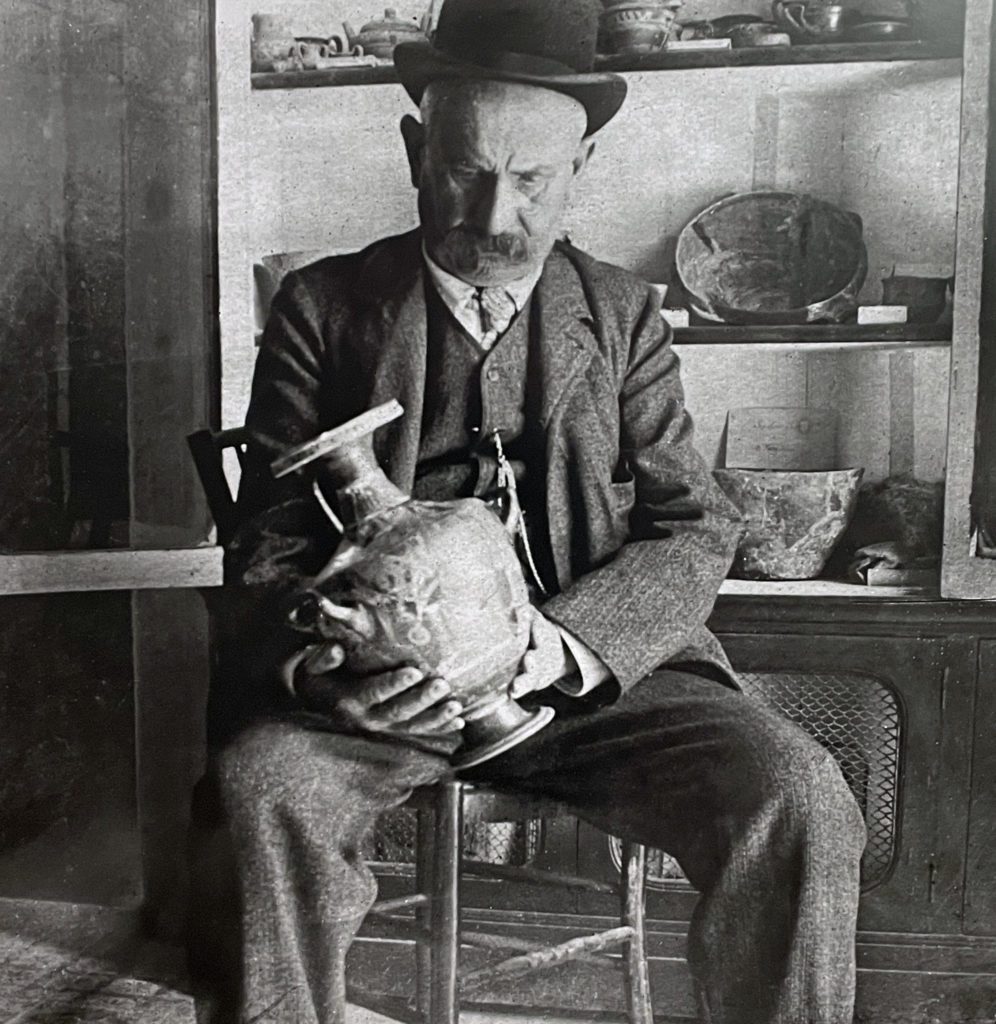
    It’s largely because of this man…

    Dominico Ridola was a doctor in Matera and an amateur archeologist during the late 1800’s and early 1900’s.

    Unlike most “archeologists” of that era, he was more than a treasure hunter. He meticulously documented his finds.

    And there were a lot of them.

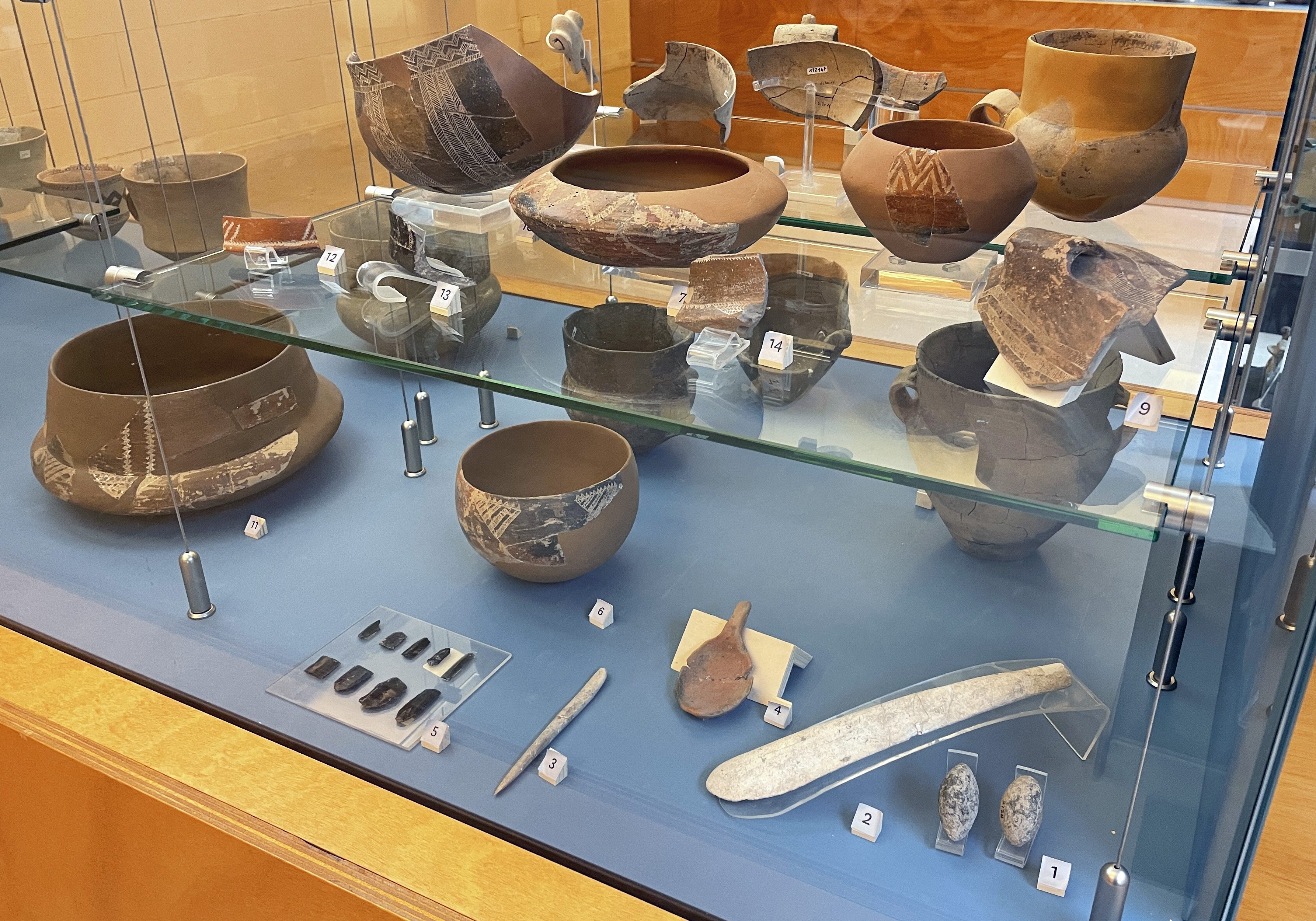
    Enough to fill the archeological museum in Matera that bears his name.

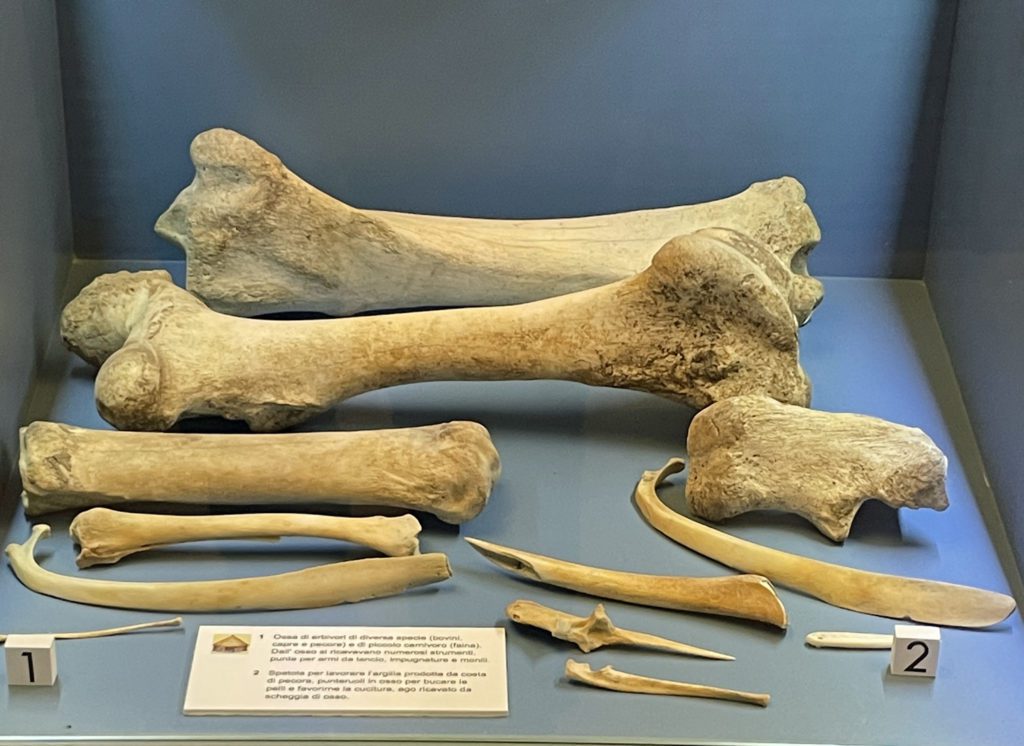
    Some of the primitive tools on display indeed date back to the Paleolithic or early Neolithic Era.

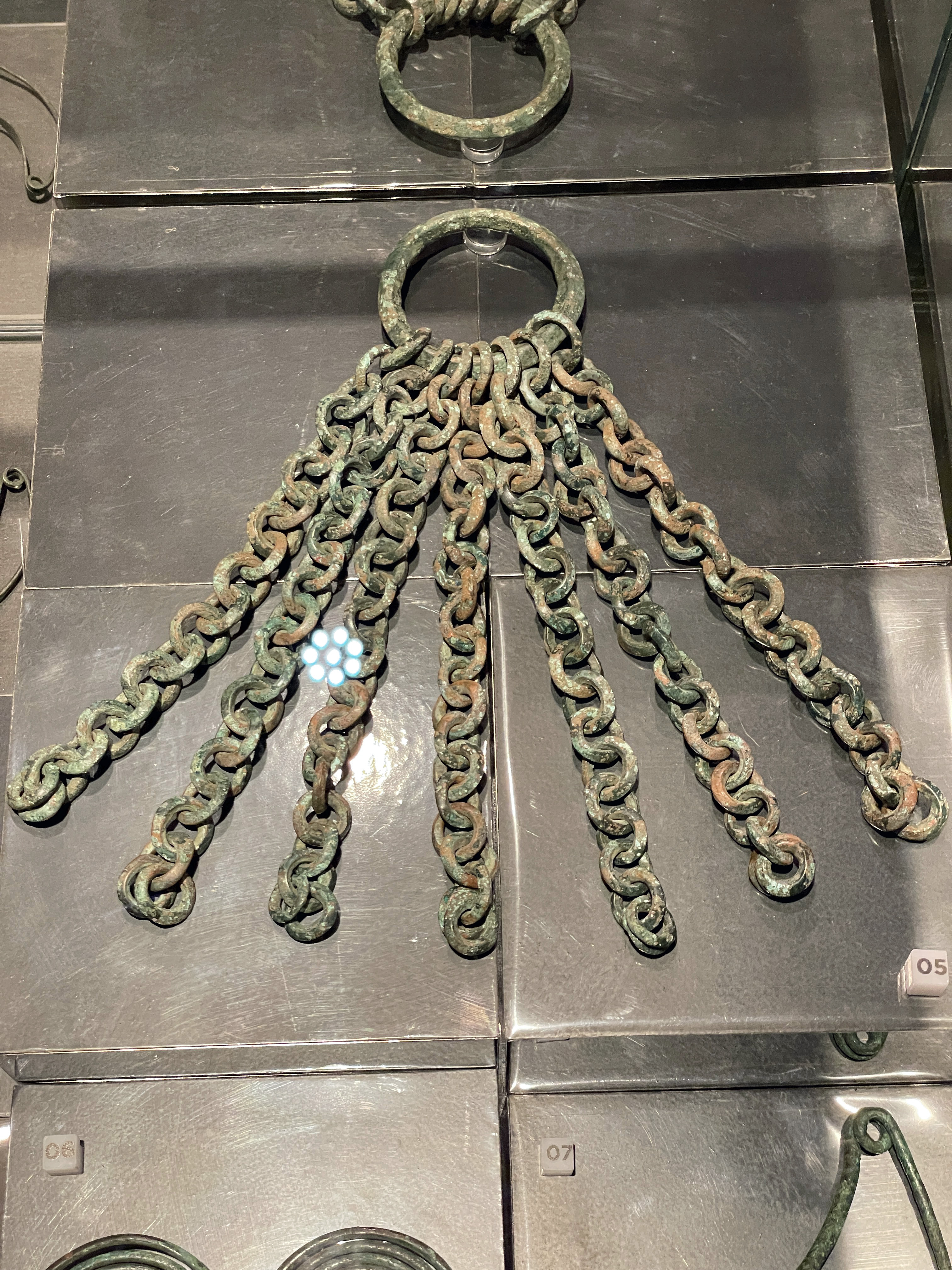
    Other items, like this necklace, simply date back 12,000 years to the Iron Age.

  • A (Partial) Tour of the Castles of Southern Italy

    Carol and Roger headed for southern Italy for only the second time. Back in 2014, they had cycled Italy’s southern coast and visited a castle built by Hannibal…(https://l-avventuragrande.blogspot.com/2014/05/hannibals-fortress.html)

    That was 2,200 years ago…when Hannibal took his army, elephants and all, over the Alps to invade the Roman Empire. This castle was a feint to split the Roman’s defenses.

    The local auto club noted there were 114 other castles worth visiting in the south…far too many to see them all. Nonetheless, their trip got off to a good start.
    Their first stop was just south of the Amalfi Coast, at an albergo called Villa Le Favole.

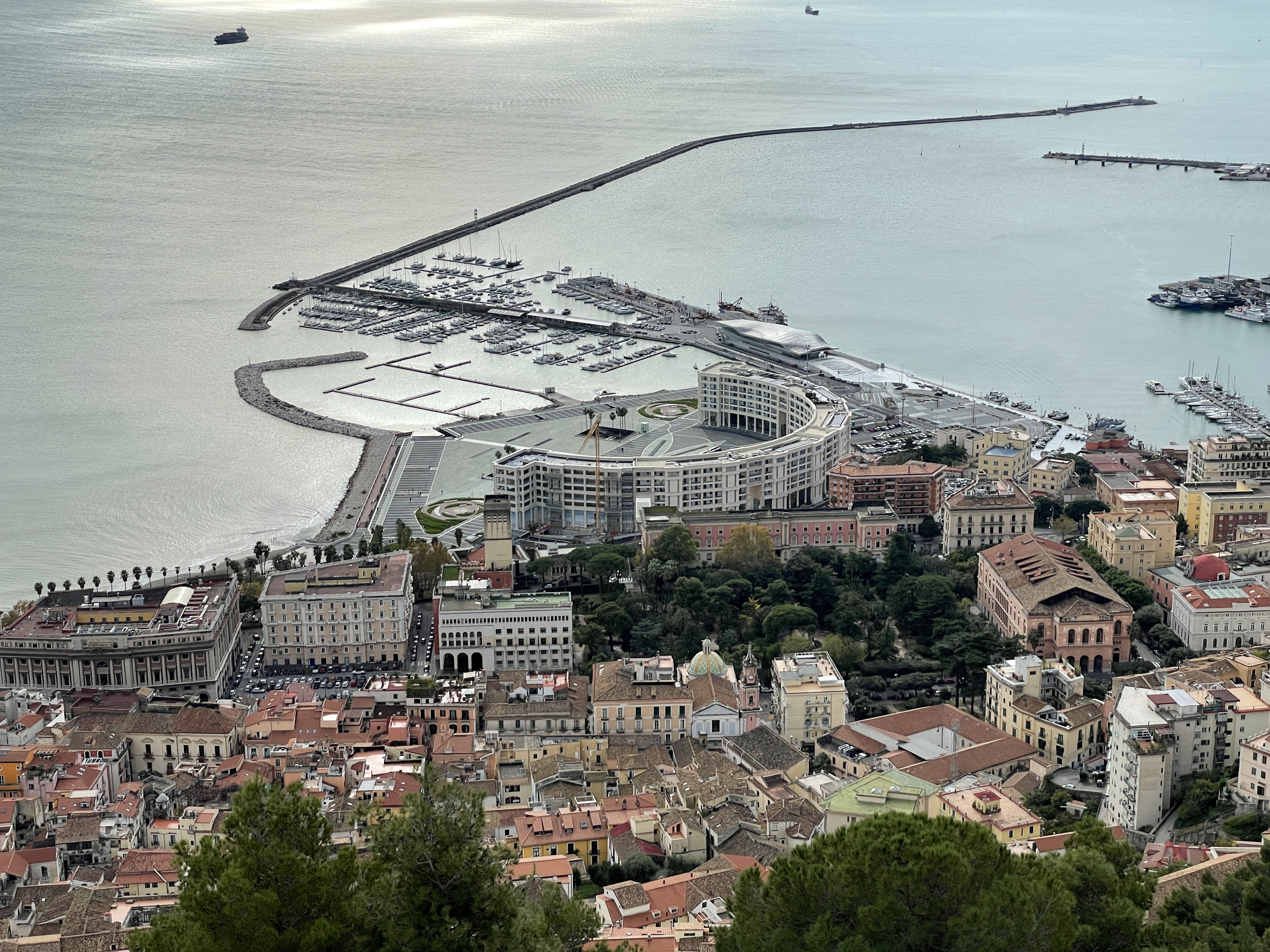
    Corrina, the proprietor of the hotel, recommended they visit Castello Di Arechi, perched high atop a hill overlooking the city of Salerno

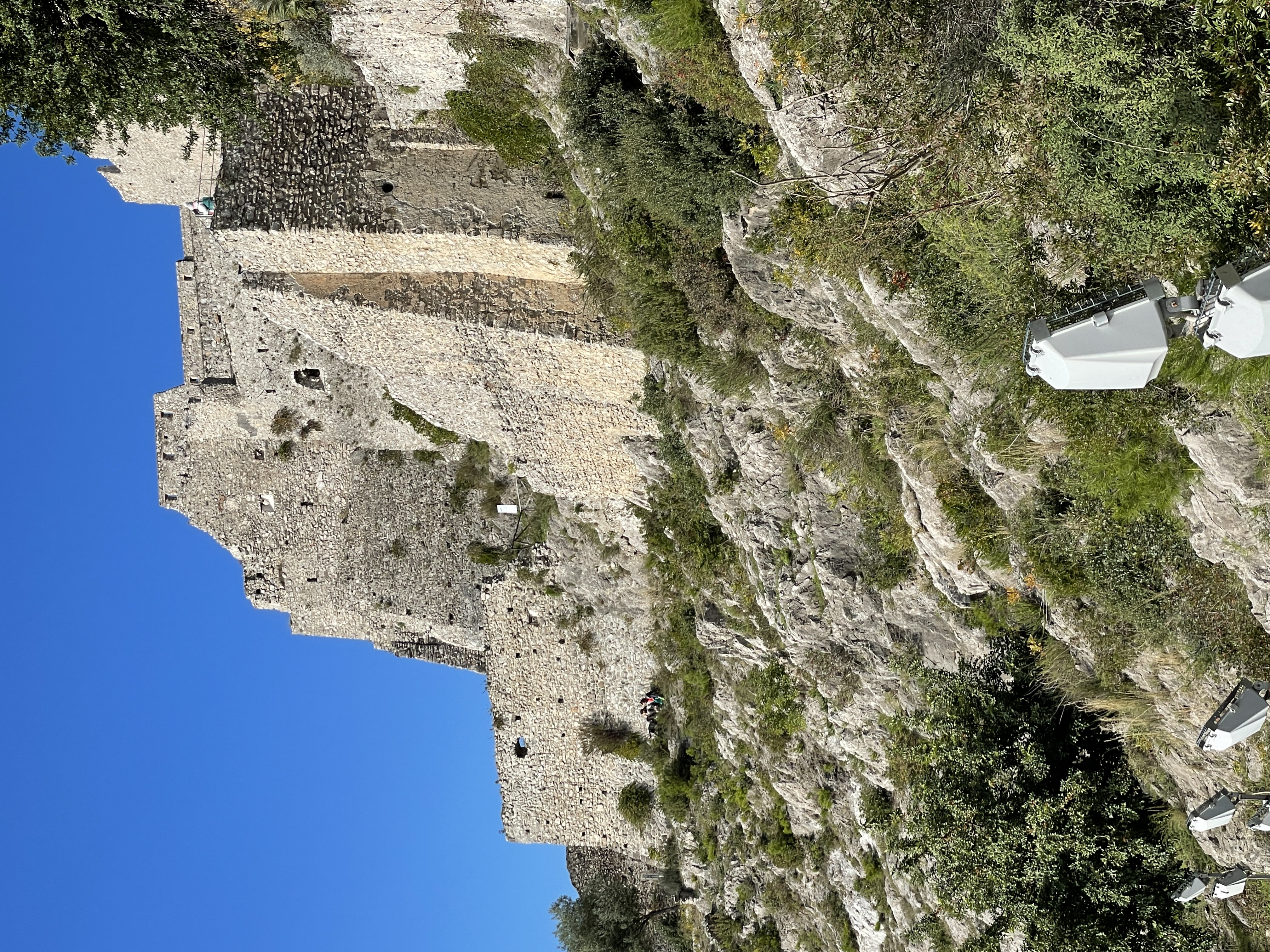
    High on a hill it certainly was, perched 1,000 feet above the heart of the city.

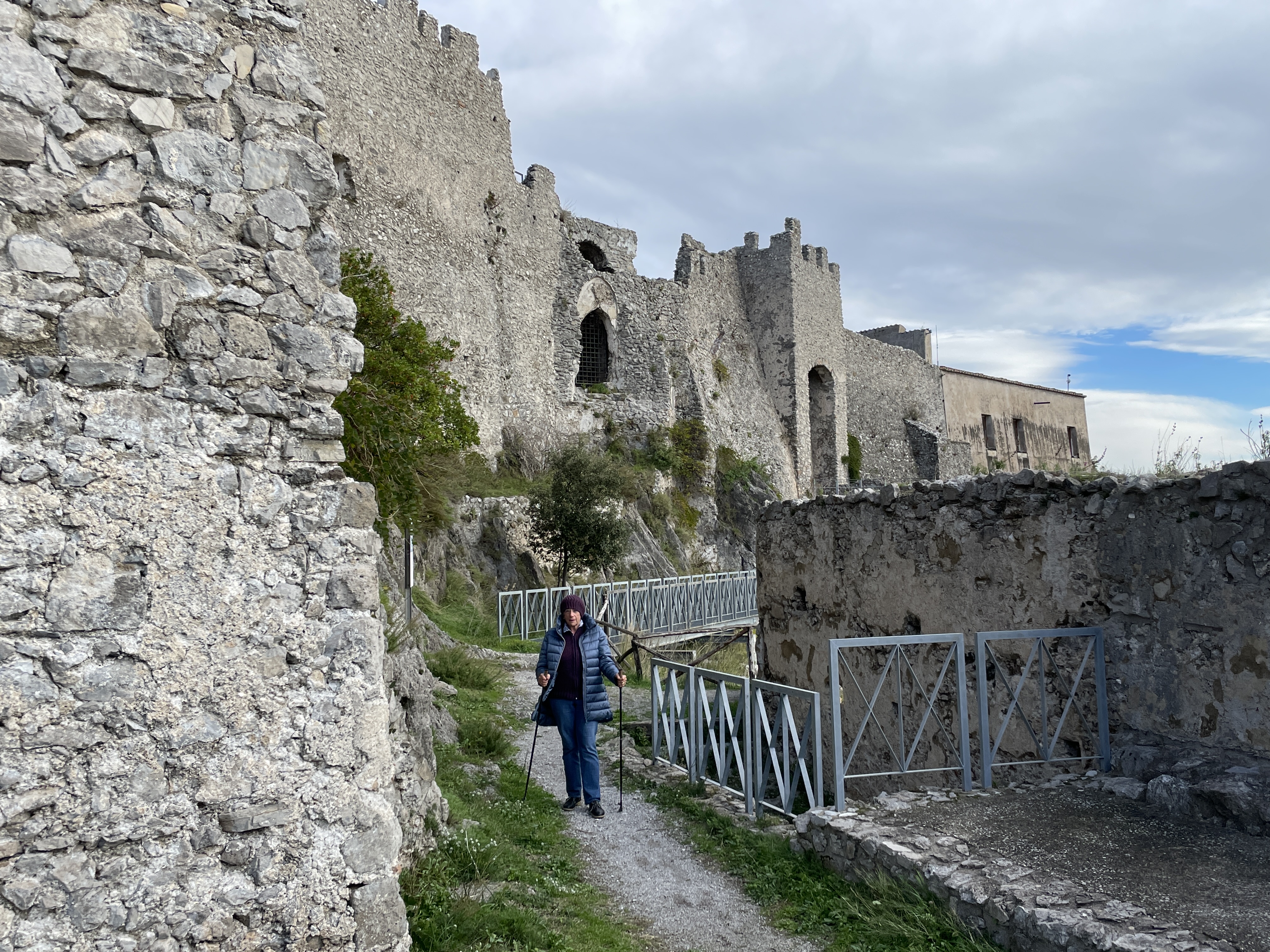
    It was built shortly after the fall of the Roman Empire, designed by Byzantine solders, then updated by the Lombards, the Normans, and finally…in the 13th century…a French Anjou king.

    It’s a fascinating place to walk around…

    …if you don’t get vertigo looking over the precipice.

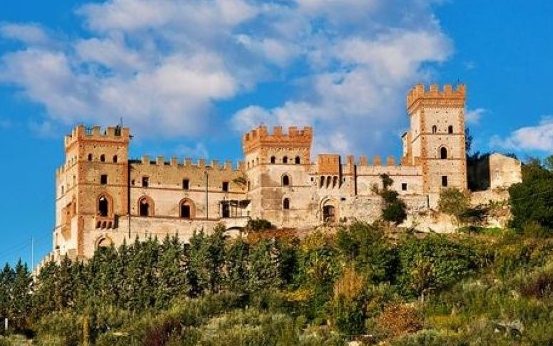
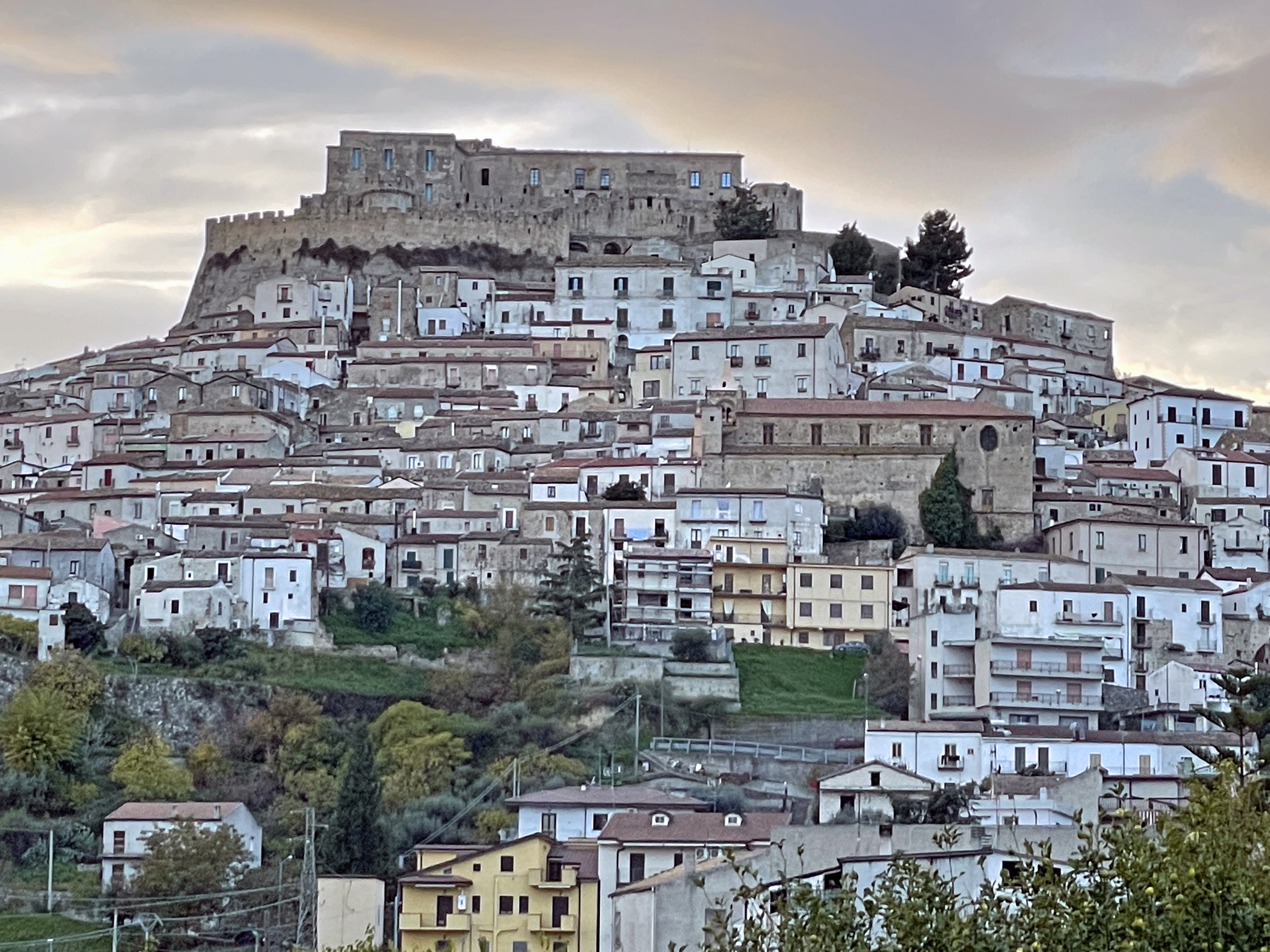
    The prettiest castle they saw is called Castello Battipaglia, located just west of Eboli.

    The Visit…

    The reason Carol and Roger were headed to southern Italy was to visit the parents of their friend, Lorenzo Iovino, a researcher at Seattle’s Fred Hutchinson Cancer Research Center.

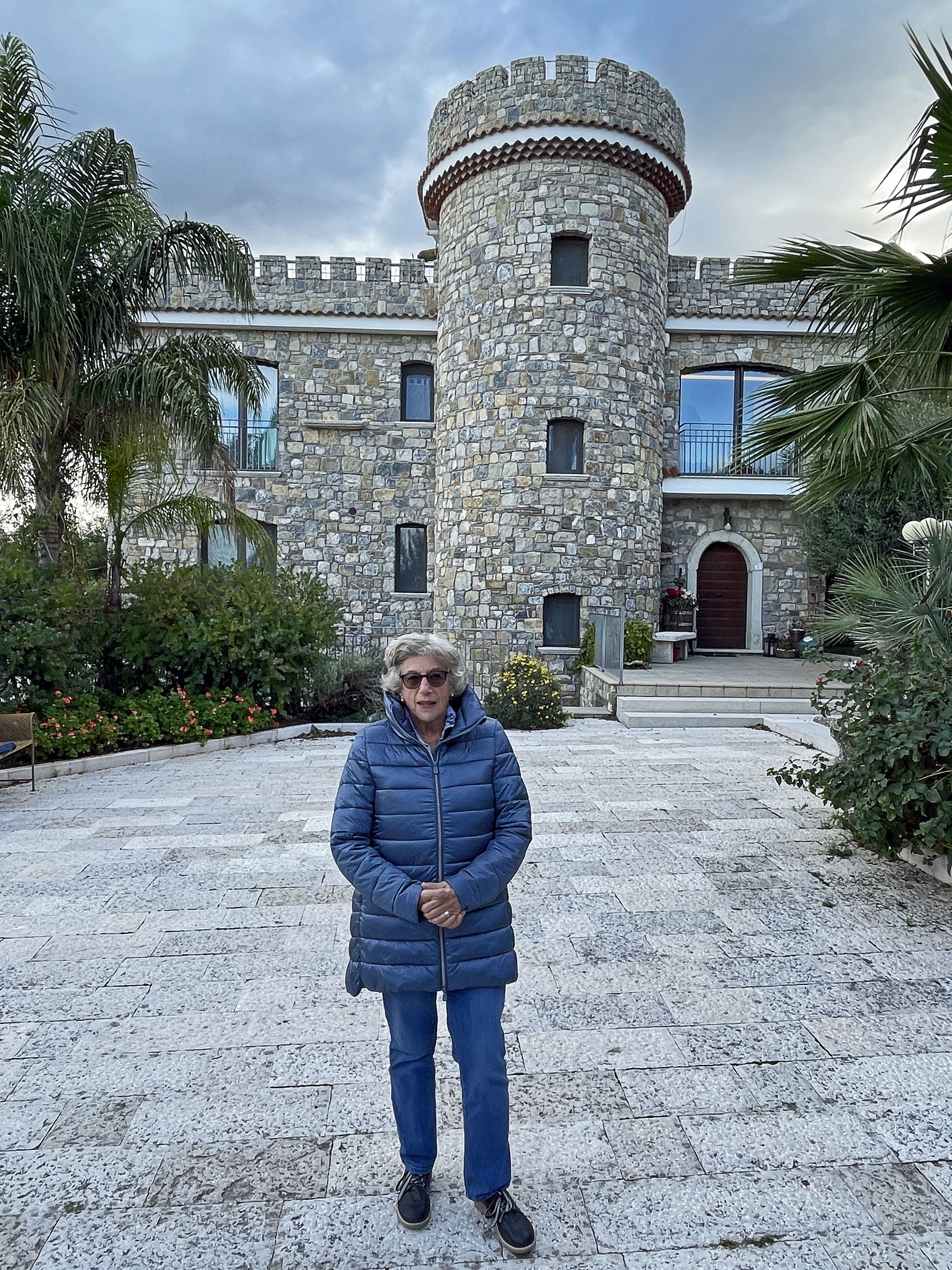
    Lorenzo’s parents, Francesco Iovino and Rosa Moretti, were wonderful hosts…taking Carol and Roger to see parts of Calabria they had missed back in 2014.

    With their guidance, the tour of the castles continued.

    First stop: Castello di Roseto, about an hour’s drive from their home.

    Built in the 10th century, the castle was meant to guard the Ionian Sea from encroachment by the Byzantine Empire. It was built in the shape of a trapezoid to duplicate the footprint of the Holy Temple in Jerusalem.

    From there, they headed a few miles up the coast and inland to a town called Rocca Imperiale.

    When Frederick II became the Holy Roman Emperor in 1220, he decided he needed a fortress to protect the place where the Appenine mountains met the Ionian Sea.

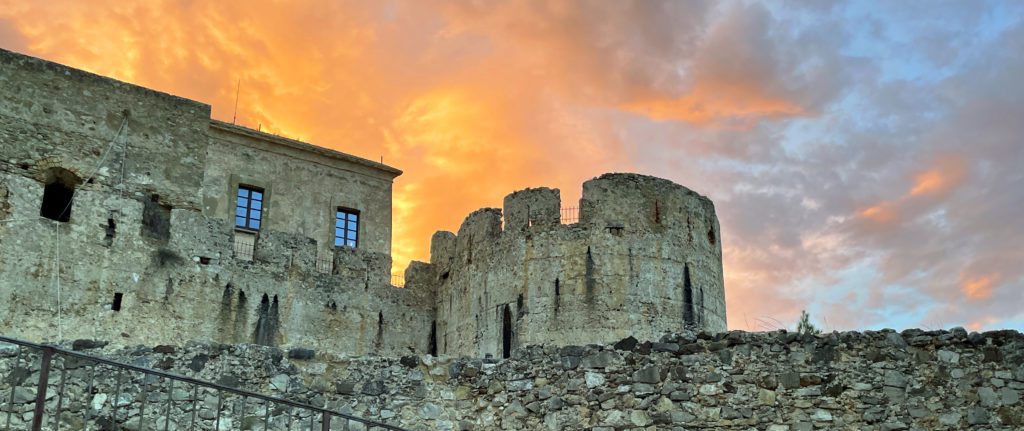
    He built the appropriately-named Rocca Imperiale atop this hill. The town grew up around it.
    We arrived at the castle just as the sun was setting and the gates were closing.
    The entrance to the castle lies at the top of an impossibly narrow street, where Francesco had to turn his car around in a space only inches wider than the car would fit. It turned out to be a masterful 16-point turn.

    The next day, the castle tour continued. Francesco and Rosa took Carol and Roger to the Swabian Castle in their home town of Cosenza.

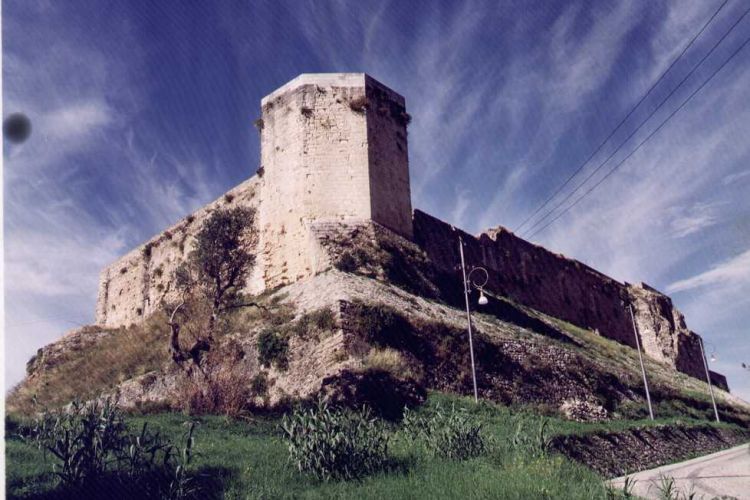
    Unfortunately, the weather was so bad we couldn’t see the castle through the fog and rain, so we had to use this photo supplied by the auto club.

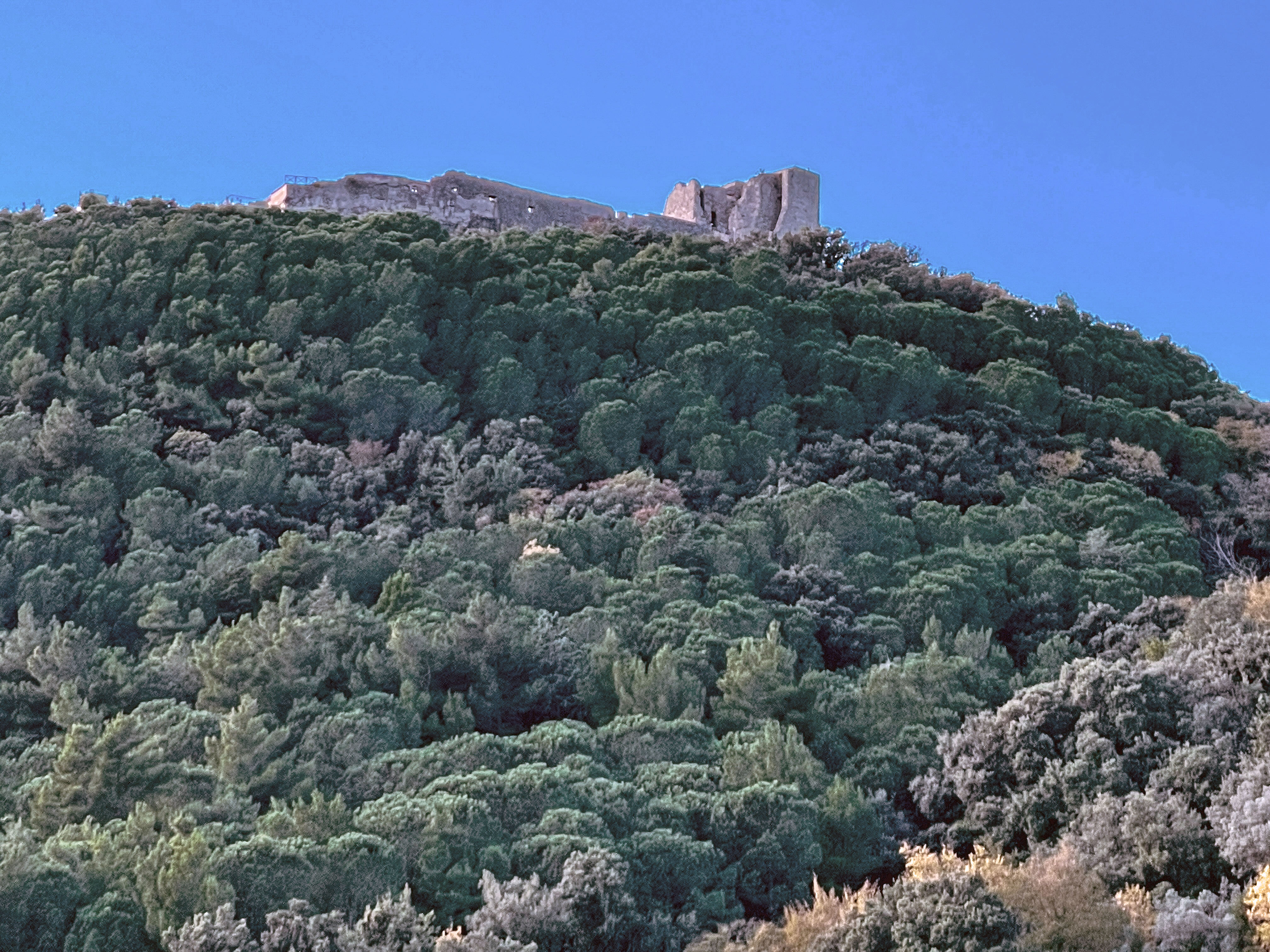
    The visit to Cosenza done, we headed to Matera, where…predictably…another castle dominated the top of the city’s highest hill.

    It’s called Castello Tramontano…named after the local count…who in 1501 was granted permission to build it by the King of Naples.

    However, not everyone gets to live in a castle. In our next post, we’ll show you where most of Matera’s residents used to live…

  • November Sunshine

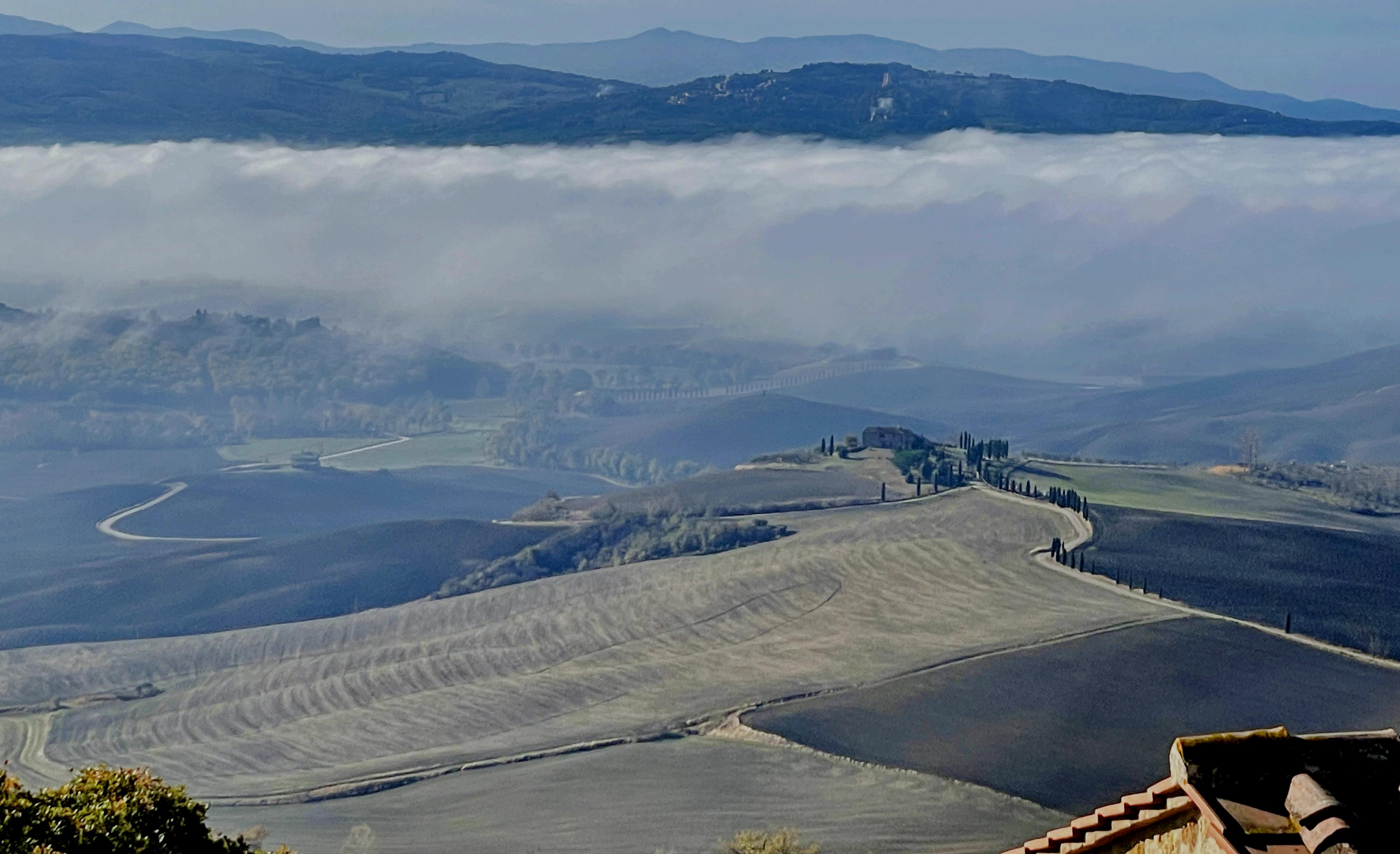
    In November, mornings in the Val d’Orcia often look like this…

    …the valley floor covered by a blanket of fog.

    While it eventually burns off…

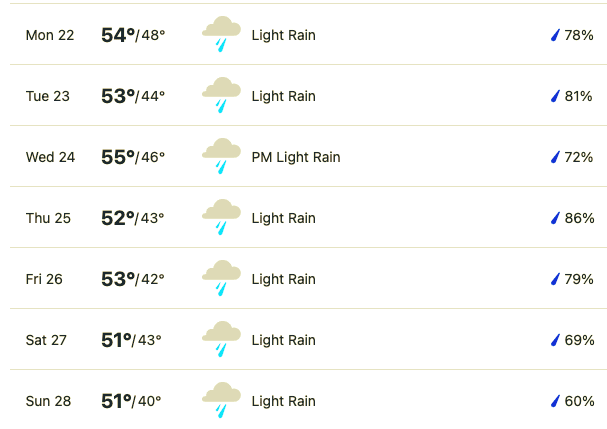
    …the weather forecast for Pienza …certainly resembles what you’d expect to find in Seattle.

    courtesy: Weather.com

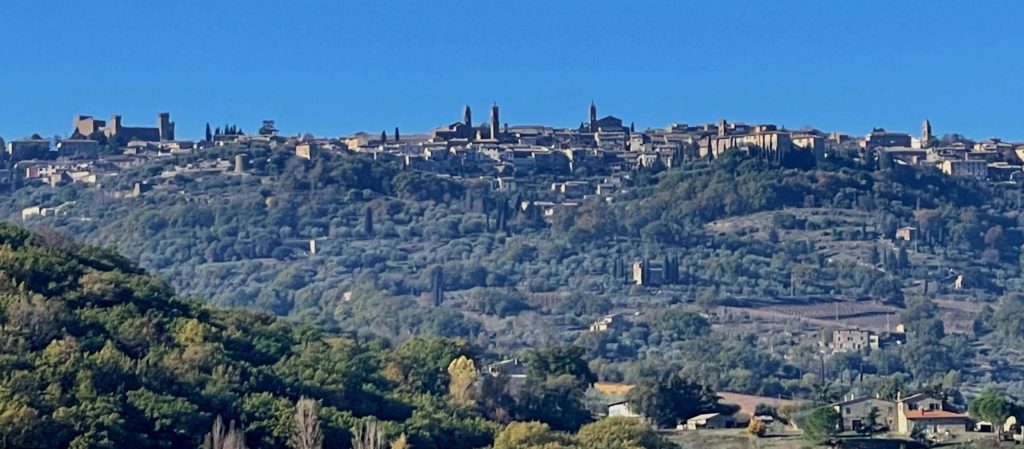
    So, when a day dawns sunny and mild this late in the month, you have to take advantage of it. Today’s destination was Montalcino, the Tuscan hill town famous for Brunello wine.

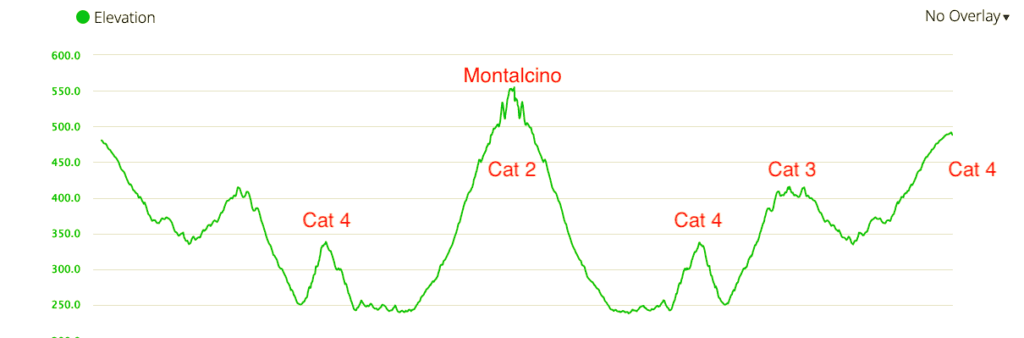
    It’s a short but hilly round-trip from Pienza.

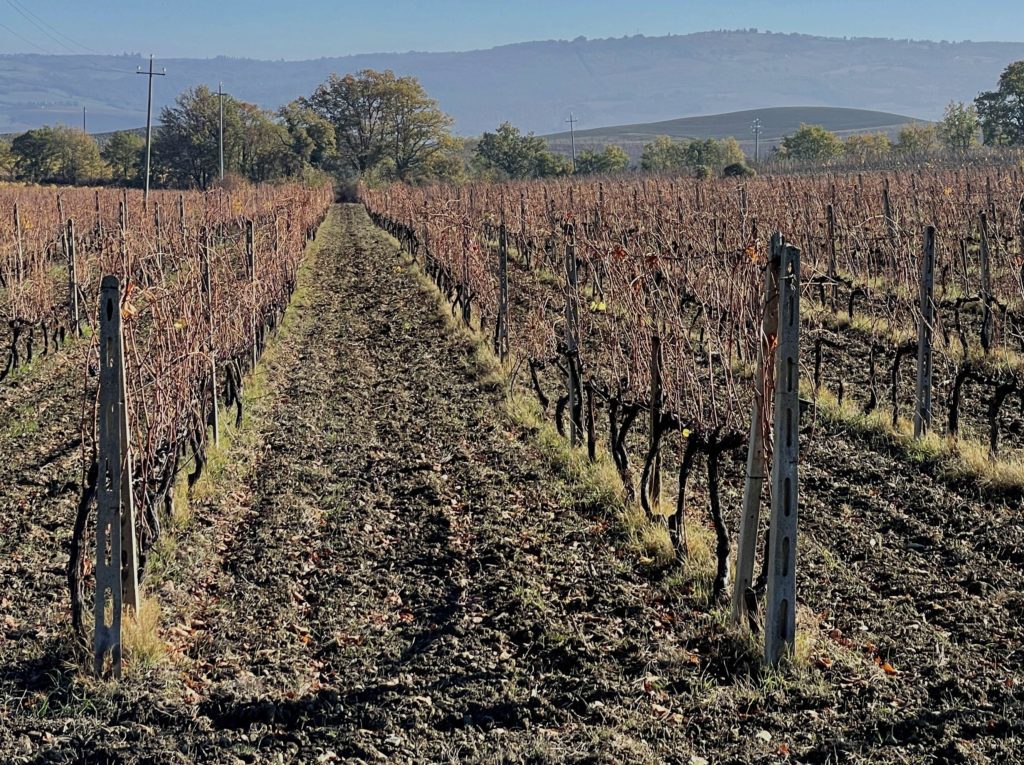
    The grapes were harvested two months ago. The vines had shed their leaves and were now bare.

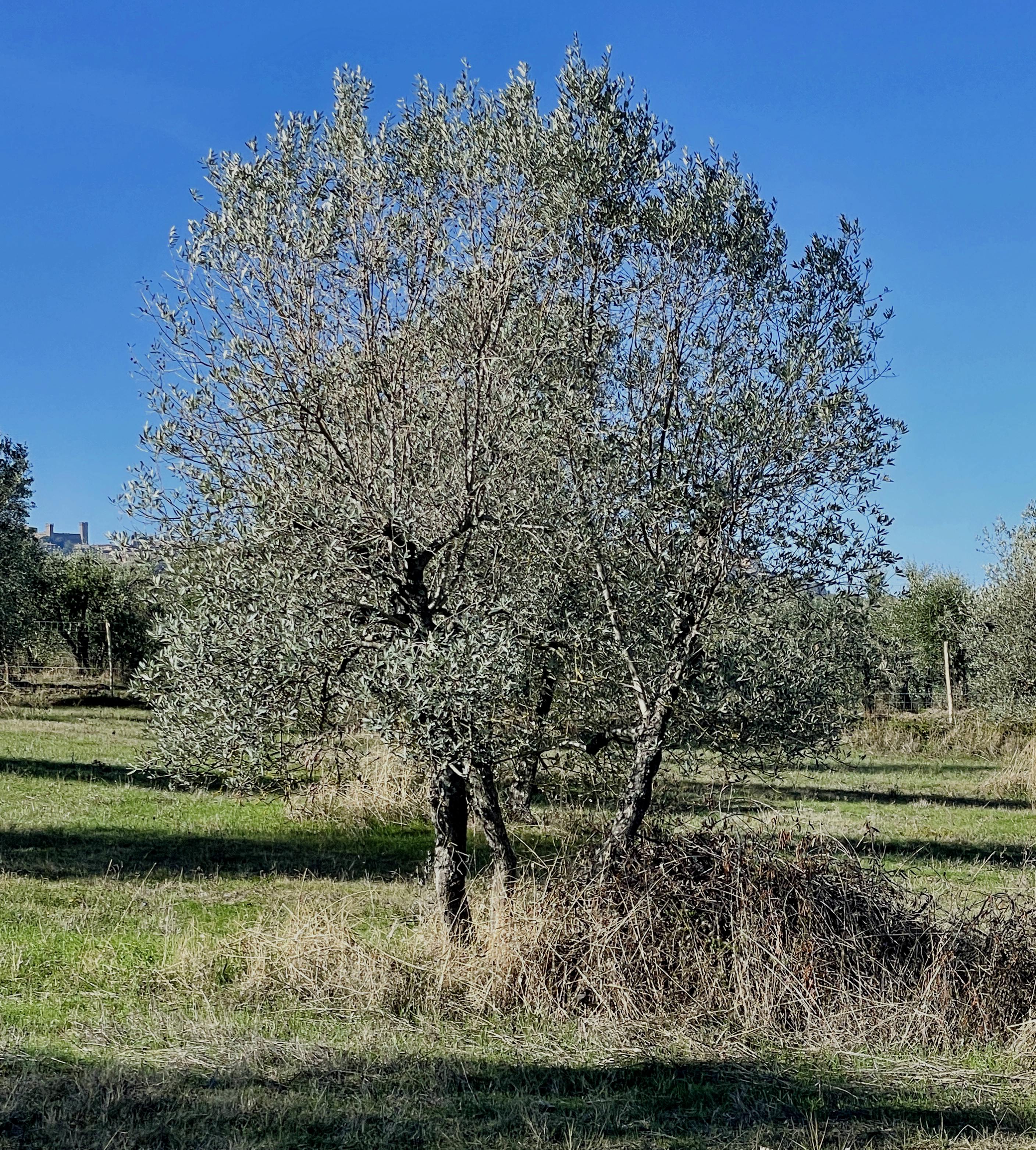
    The trees that produce peppery Tuscan olive oil…

    …had been picked clean.

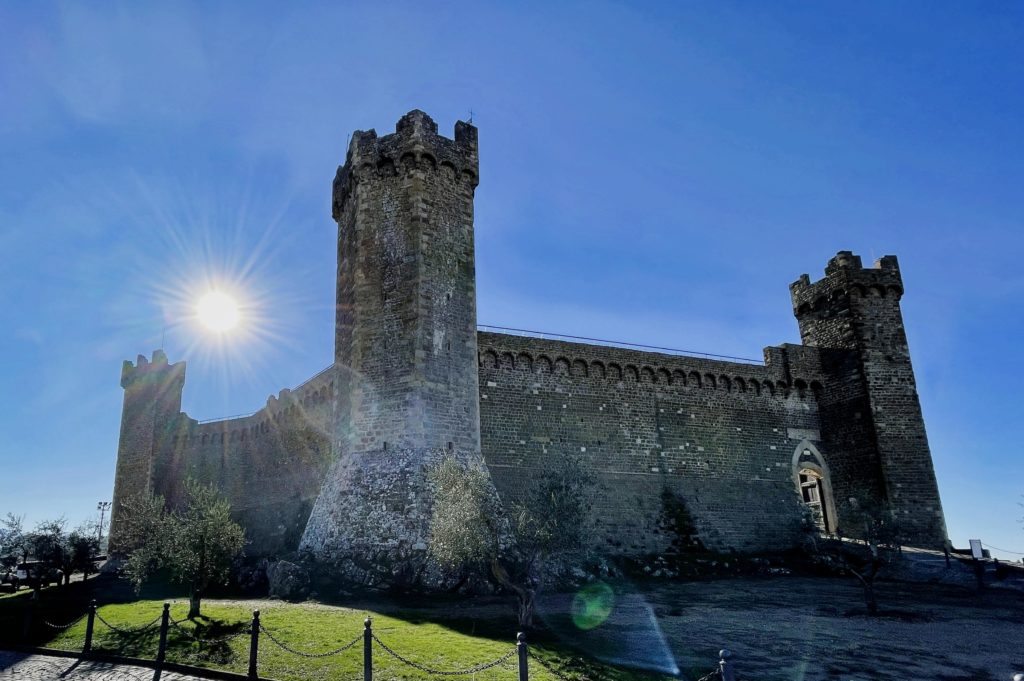
    The fortress that sits atop the hill in Montalcino…

    …sparkled in the sunshine.

    The clock tower…which serves as the finish line for numerous bike races…L’Eroica Montalcino, the annual Strade Bianche, and several stages of the Giro d’Italia…

    …looked down on a piazza almost devoid of tourists.

    It was the perfect place to sit in the sun and refuel with a coffee and coronetto before heading back to Pienza.

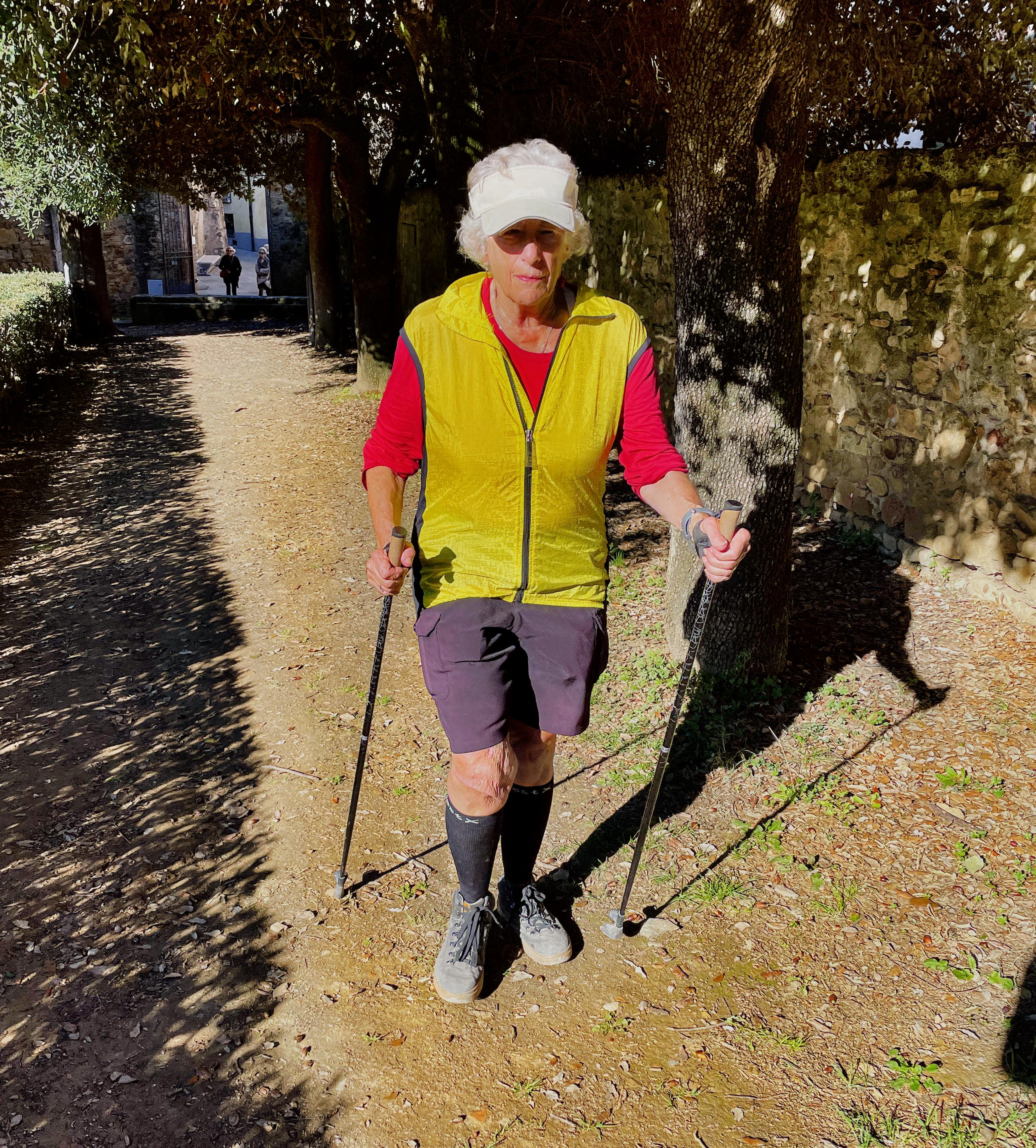
    While Roger was out gallivanting around on his bike, Carol was walking the 10 Km from Pienza to San Quirico d’Orcia…

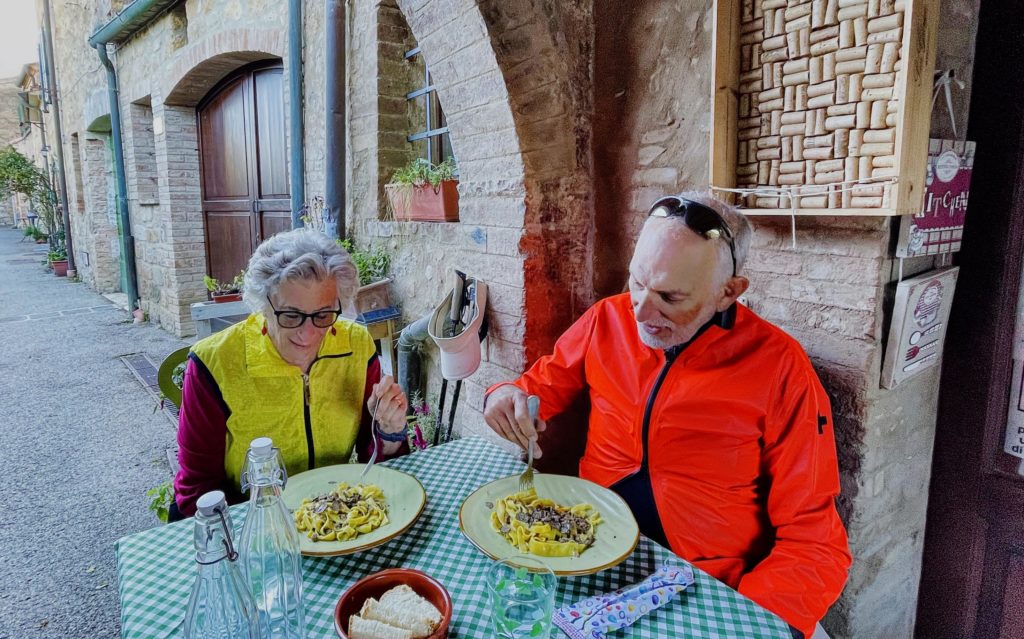
    …where they met for a very nice lunch of shaved fresh truffles over tagliatelle.