Category: Uncategorized

  • Un Bel Tramonto (A Beautiful Sunset)

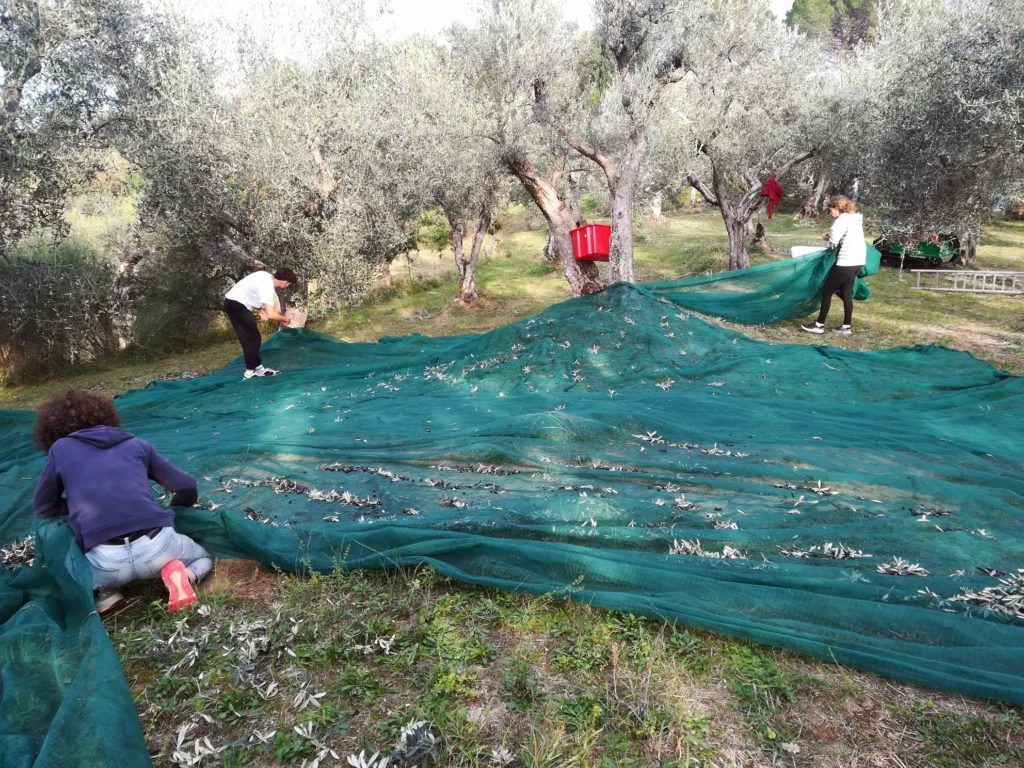
    This year’s Tuscan olive harvest is in full swing.

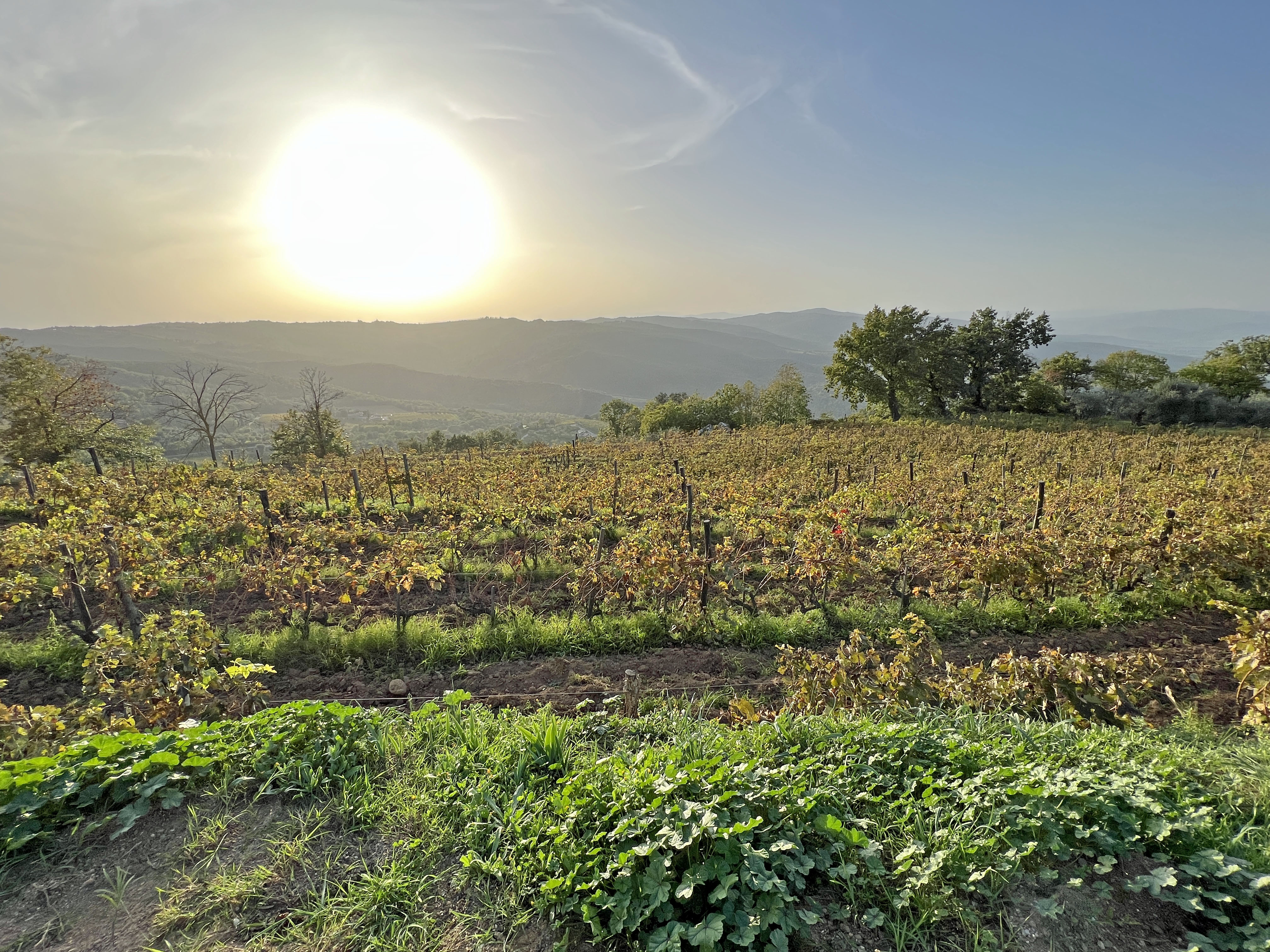
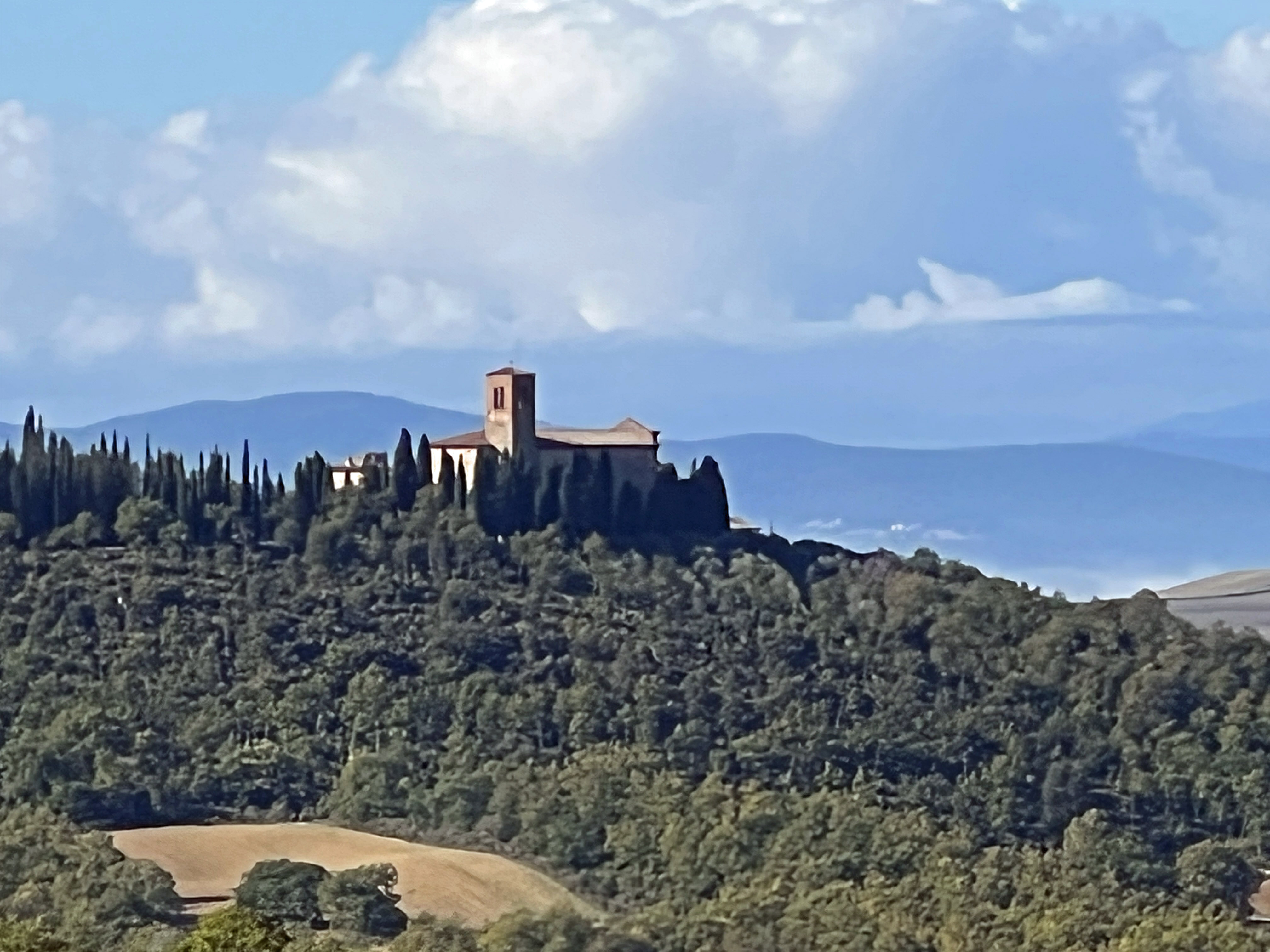
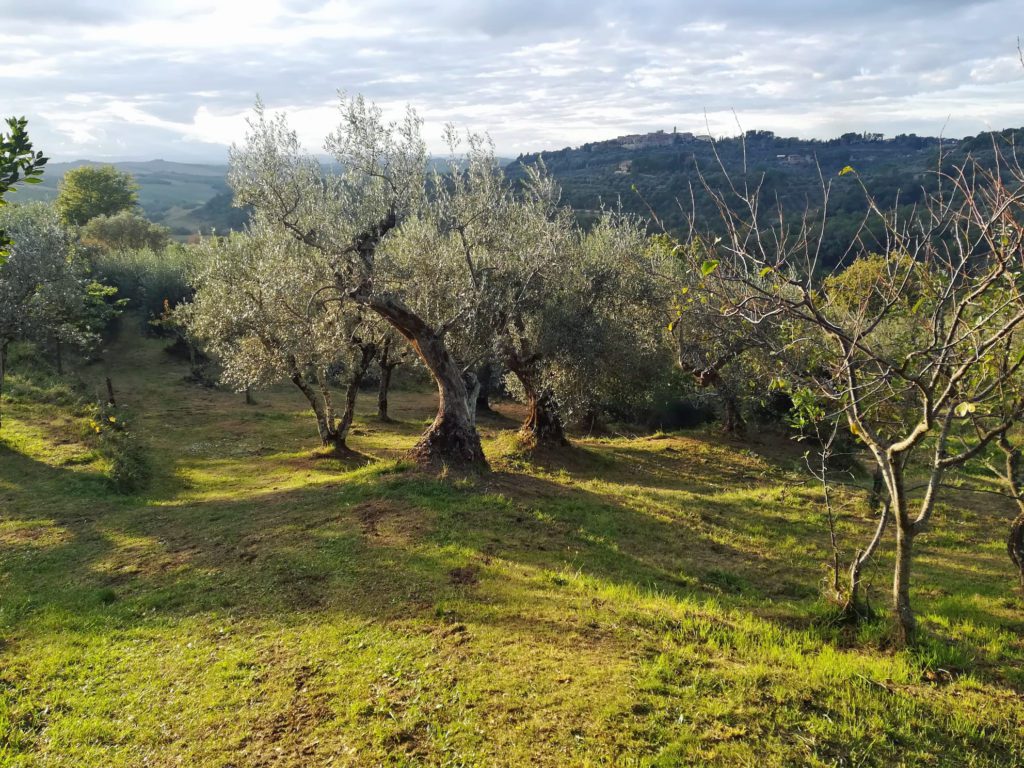
    From the orchard where Roger is helping with the harvest, there is a spectacular view of the historic abbey of Santa Anna in Comprena…the setting where the 1996 Oscar-winning movie The English Patient was filmed. (The abbey holds an interesting footnote in art history, but that’s a story for another day.)
    It’s been an unusually dry year, so the question was, how good would this year’s harvest be?

    For a primer on the local olive oil industry, see our blog post https://rbergson.org/olive-oil/

    For a look at how the olive harvest can vary from year-to-year, see https://rbergson.org/after-the-pestilence/

    Last year was a bad year for olive oil. Four days’ work harvesting produced only seven liters of oil.

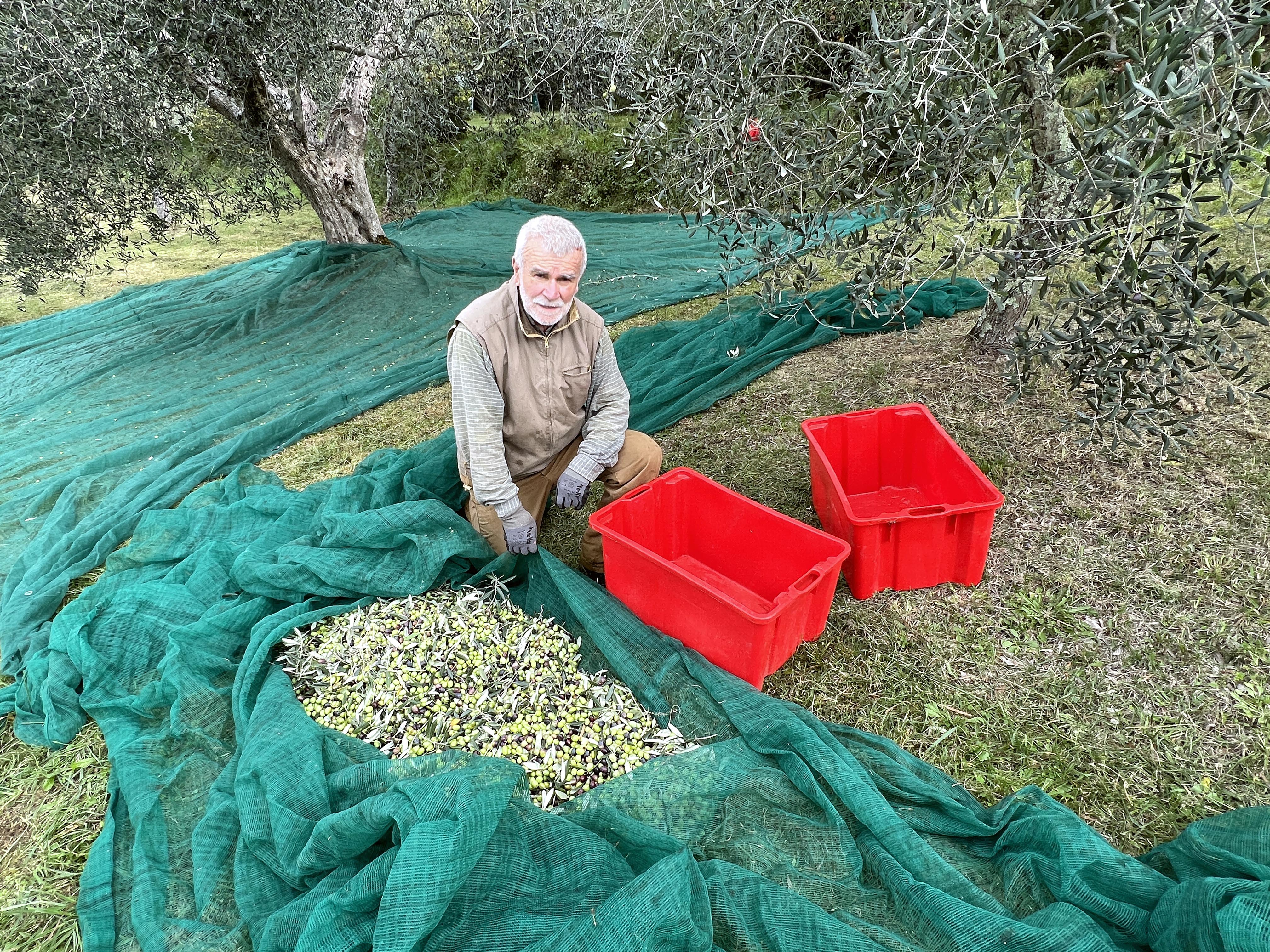
    This year was much better. This photo shows the yield from the first tree.

    We harvested 800 kg of olives this year (1,800 lbs)…enough to produce a total of 130 liters of oil. (In case you don’t want to do the math, that’s almost 20 times as much as the year before).
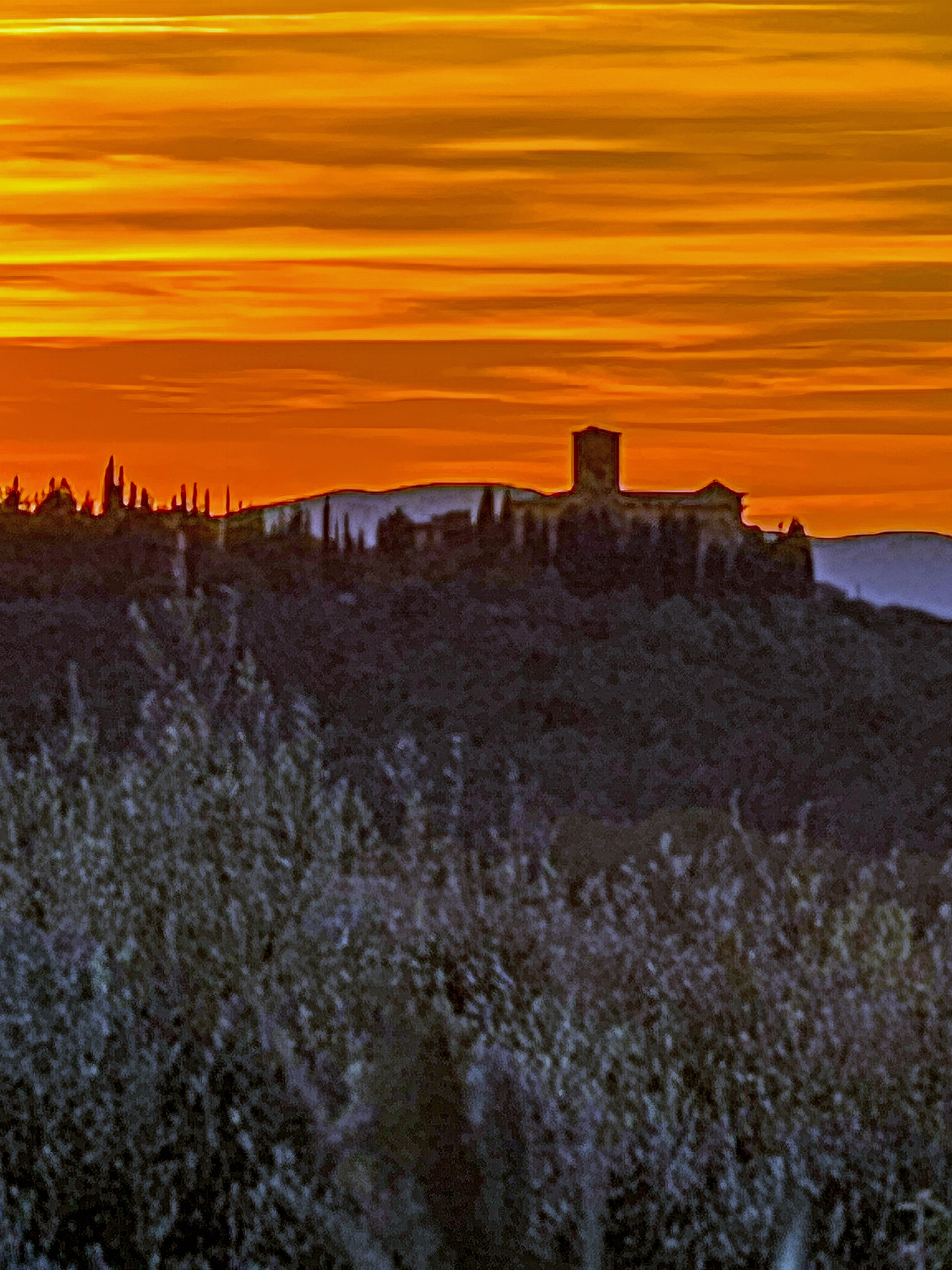
    But just as rewarding as the size of the harvest was seeing the sun set at the end of each workday over Santa Anna in Comprena.
  • A Living Legend

    A year ago, we went to visit Rosa Moretti and her husband Francesco Iovino in Calabria (the toe of the Italian boot). This year, it was their turn to return the favor.

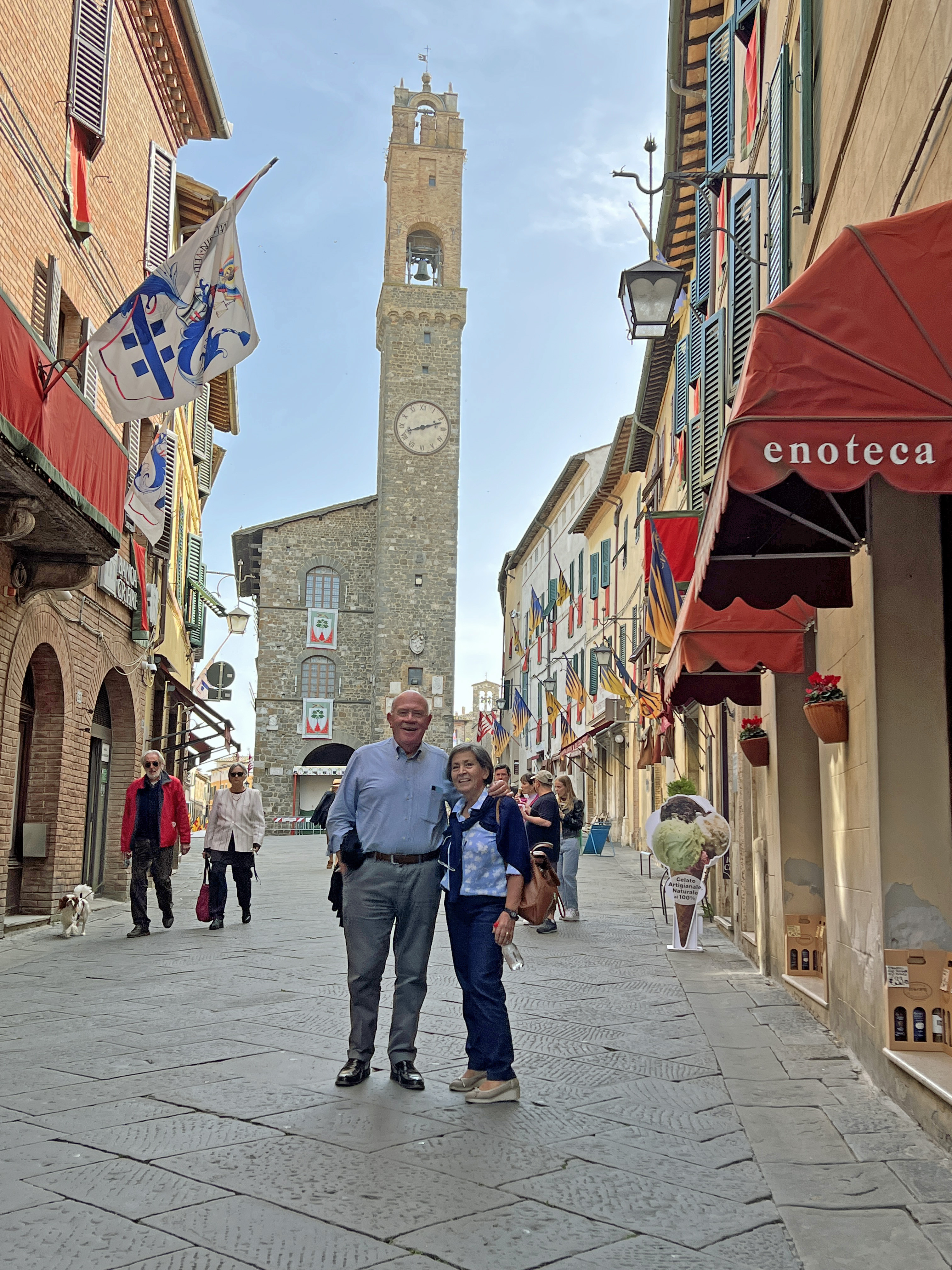
    We spent a day in and around Montalcino (in this photo, they are standing in the city’s main piazza) visiting an abbey built by Charlemagne, walking around the historic city center, and…since it’s Montalcino…tasting wine.

    Carol and Roger try to avoid large corporate wineries who sell in the USA. Instead, we prefer small family-owned wineries, not well-known in America.

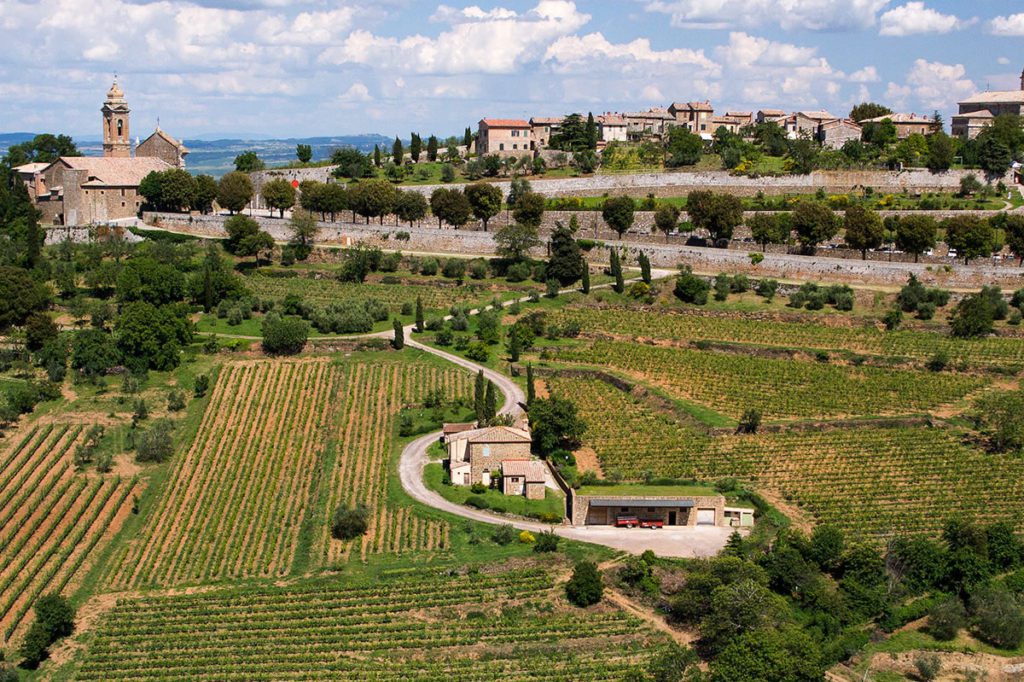
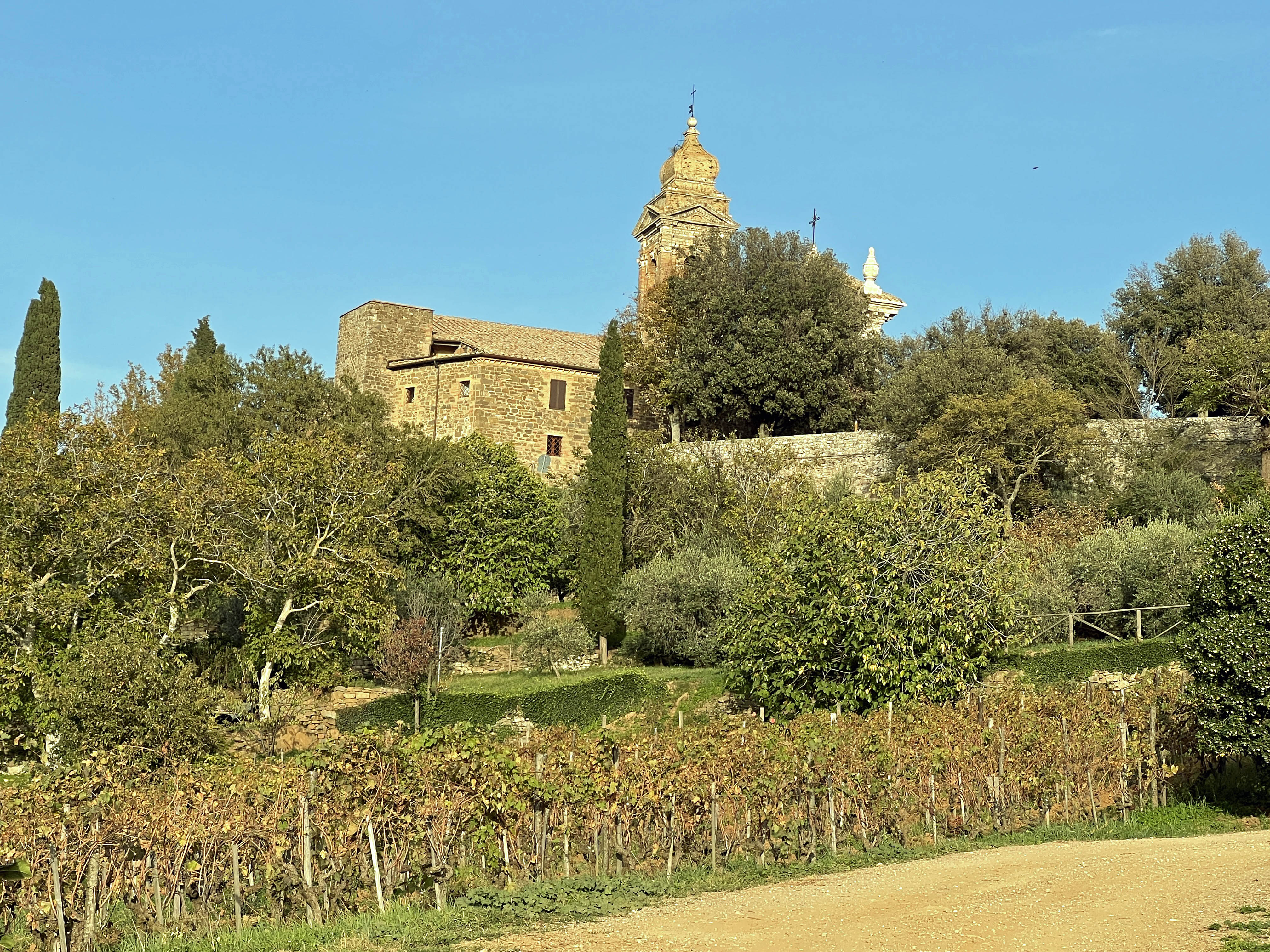
    We found one literally under the 14th century walls of the centro storico (historic city center), tucked behind the church of the Madonna of Soccorso.

    Little did we know what was in store for us.

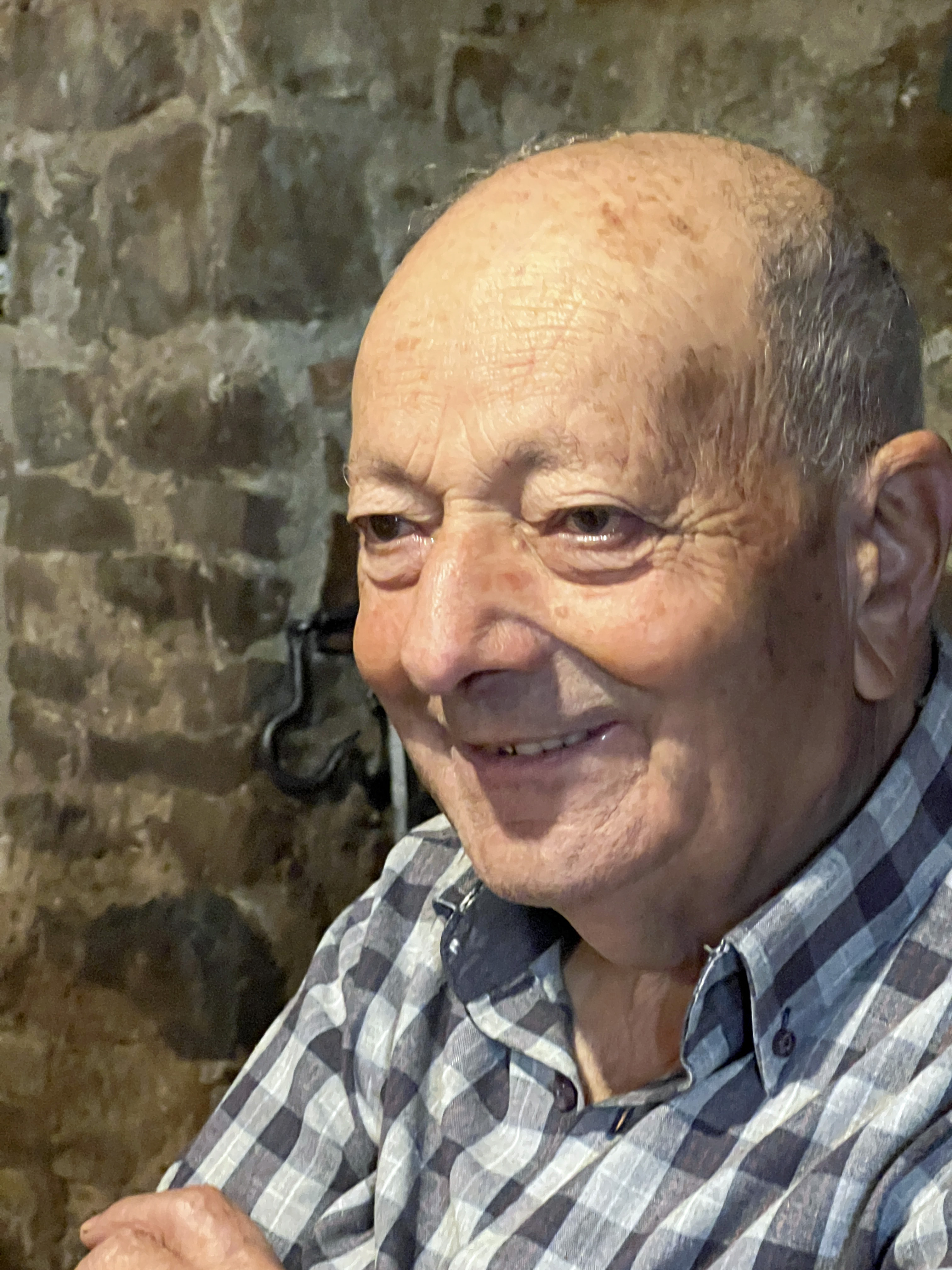
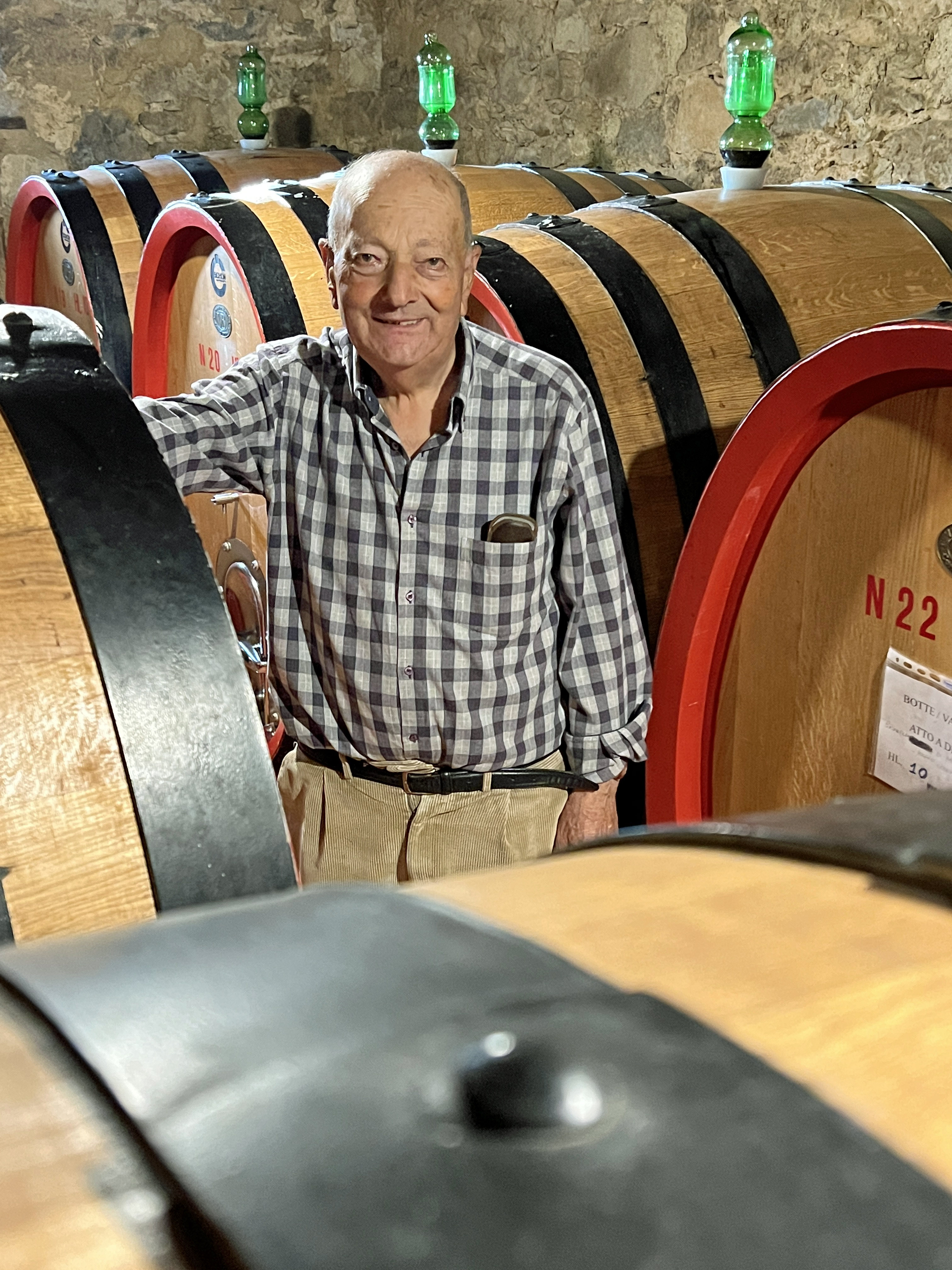
    We were greeted at the door by a man who is a living legend in the Montalcino wine business…Enzo Tiezzi.

    Born in the 1930’s, Enzo started working in wineries while still a teenager. He told us he’s been making Brunello for 60 years. (That’s not a typo…sixty years!)

    But his longevity in the business is only one point on his long list of credentials:

    • He has a PhD in Enology (winemaking) from the University of Firenze.
    • He’s a visionary. His 1977 doctoral dissertation “Brunello di Montalcino and Its Future Prospects,” predicted how Brunello could become one of the world’s great wines, much to the disbelief of the faculty on his review committee.
    • He’s considered the father of Rosso di Montalcino, Brunello’s younger sibling.
    • He was president of the Brunello Growers’ Consortium during turbulent times. Other long-time members tout his respect for the tradition of the wine and his patience resolving heated disputes.
    • And finally, as an enological consultant, he advised many of his competitors…helping them improve their wine.

    Why would a winemaker share his considerable expertise with his competitors? Why would he help his rivals improve their wine? This is a key difference between the Italian and American business models. The Brunello Growers Consortium limits the number of hectares (acres) authorized for production. The rules limit the yield per acre. This effectively caps the quantity of wine produced each year. You can’t increase profits by selling more wine, but you can improve the image of the brand and thus the chances of selling your product for a premium price.

    For 30 years, Enzo worked at other wineries, eventually becoming manager of Col d’Orcia…one of the bigger producers.

    But he yearned to have his own winery.

    Finally, in the 1980’s, his opportunity came.

    He purchased two small vineyards about three km north of Montalcino…along the Brunello Road.

    A few years after that a special opportunity presented itself.

    Podere Soccorso, the vineyard below the church, became available.

    With the vineyard came history and tradition.

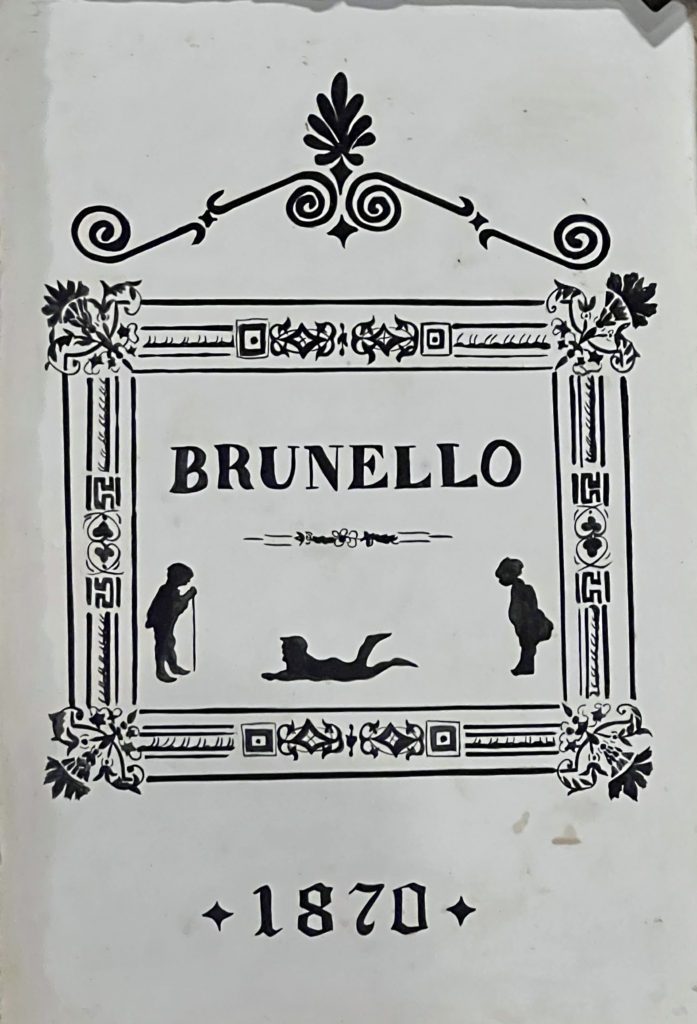
    Riccardo Paccagnini started producing a wine he called “Brunello” from this vineyard in 1870…more than 100 years before the name became official.

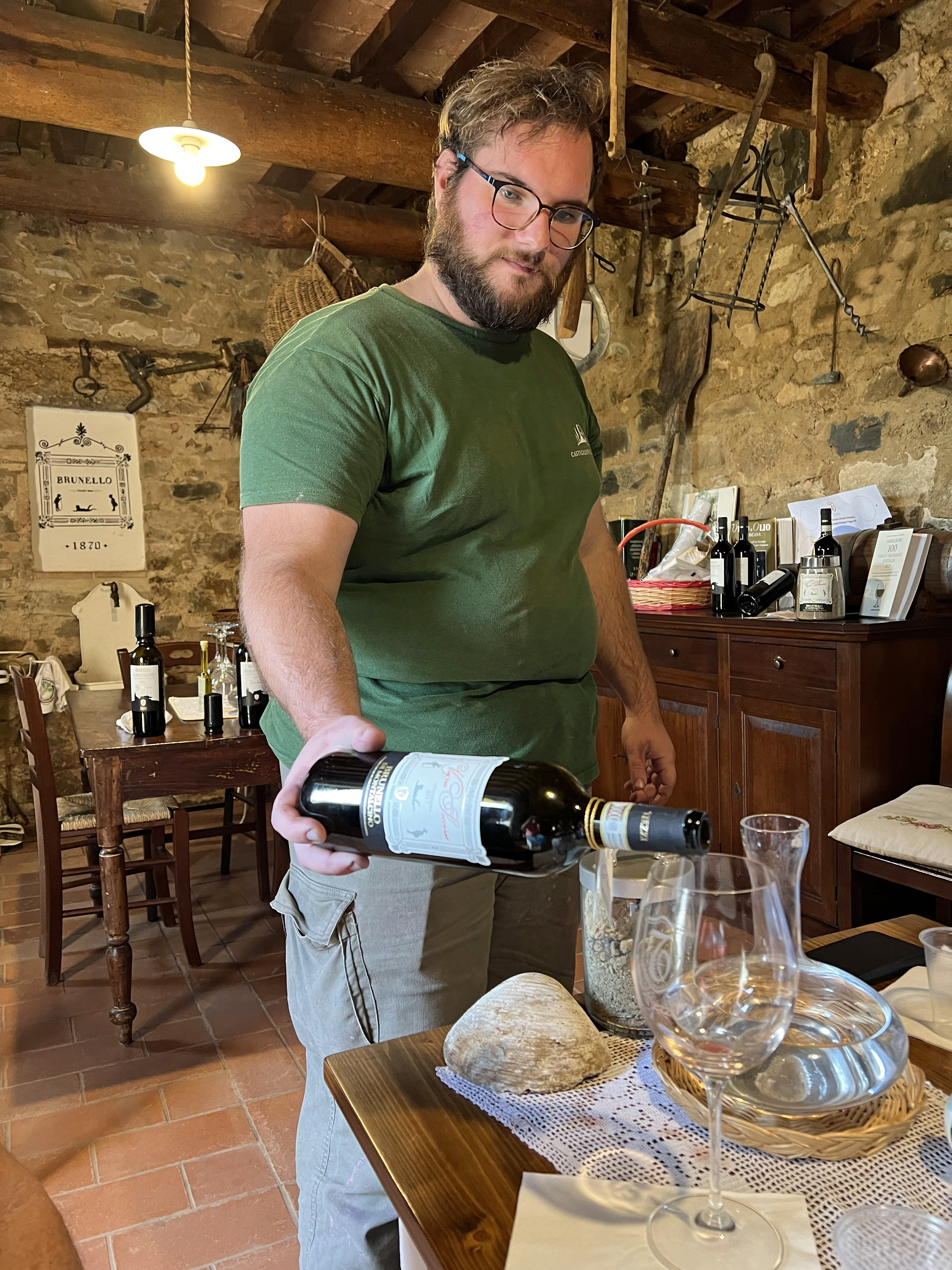
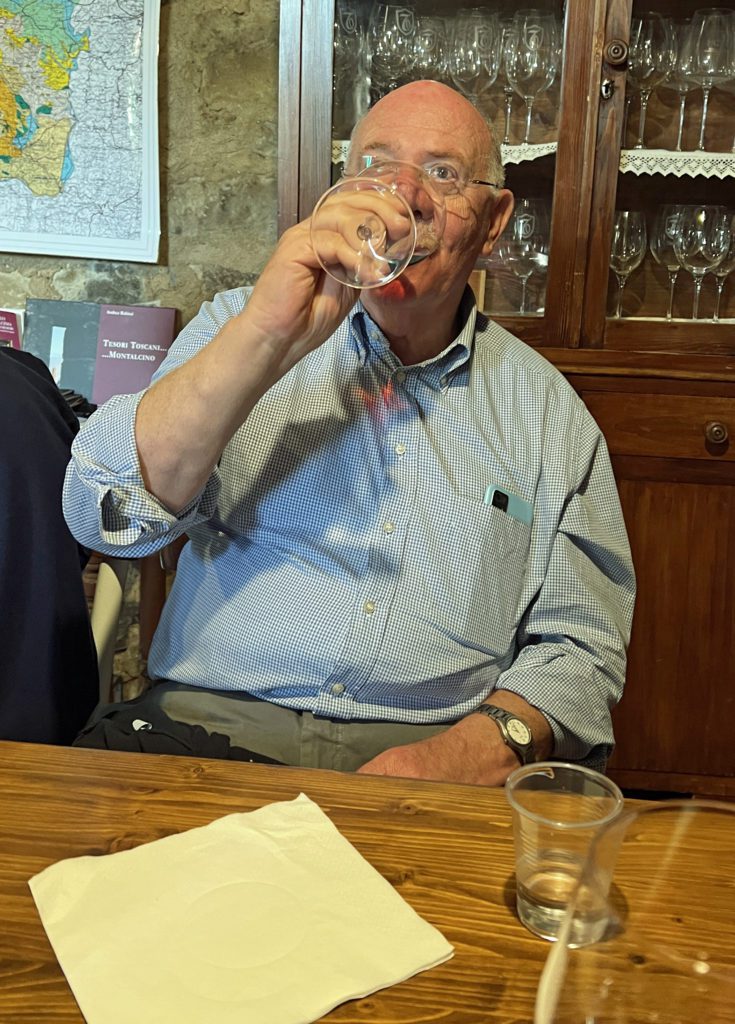
    Our tour of the winery was led by Matteo Tommasi. We immediately knew we had come to the right place right as soon as he introduced himself. As he greeted us, we saw his hands were stained purple from the grape crush. This was somebody who made the wine he would have us taste.

    So now Enzo Tiezzi produces two different Brunellos from vineyards about two miles apart. Both taste good…but very different from one another. It’s because of the dirt.

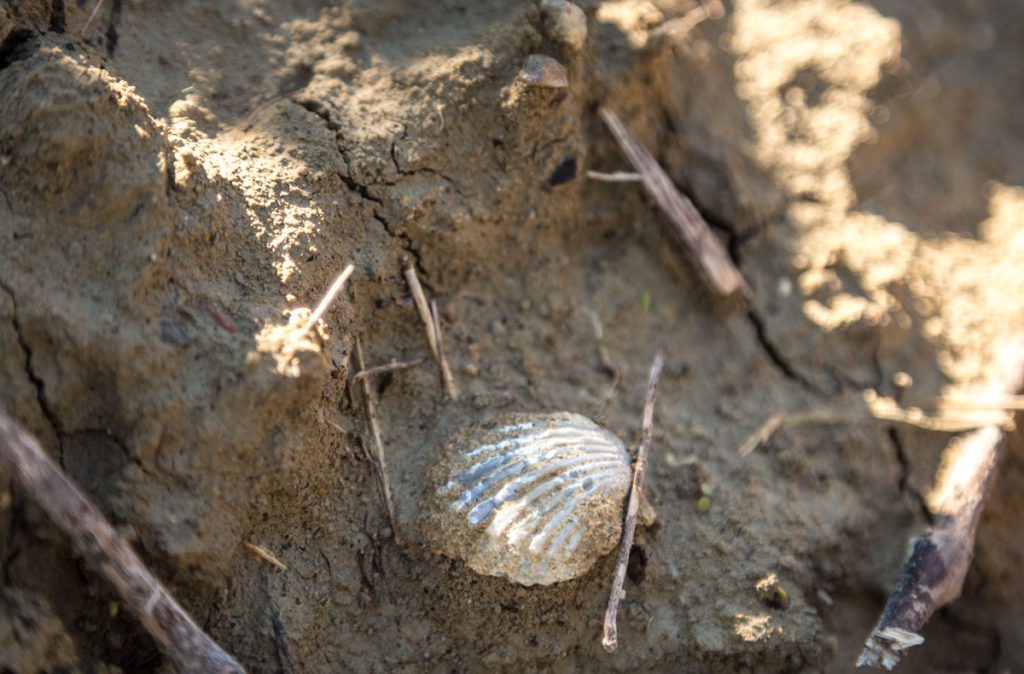
    If you could look closely enough at the dirt in the jar on the right, you would see bits of sea shell…like this photo of the dirt from the Soccorso vineyard.

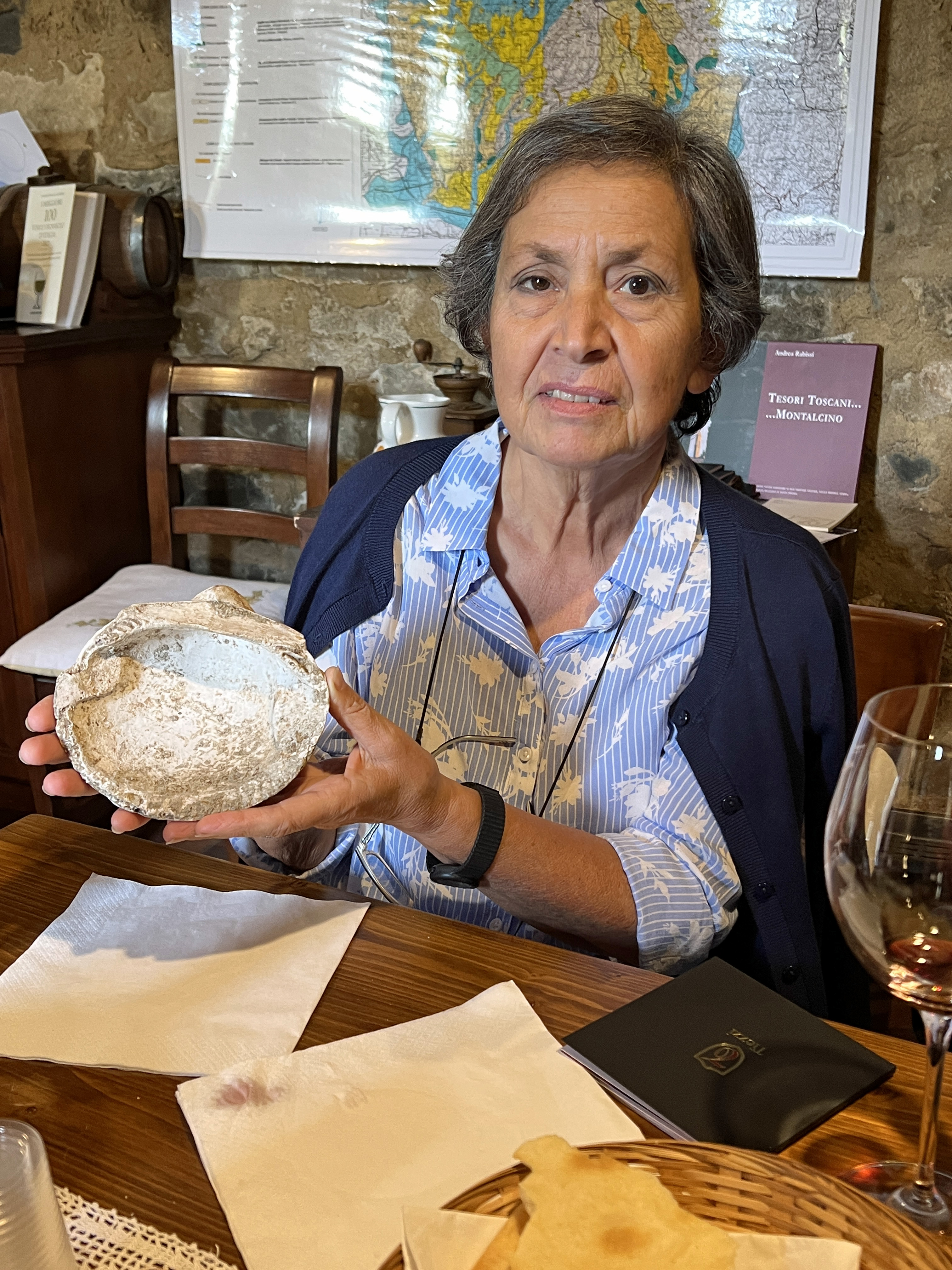
    Rosa held a shell from the vineyard in her hand but still seemed skeptical. After all, today Montalcino is 100 km from the Mediterrean.

    So, just how good is Enzo’s Brunello?

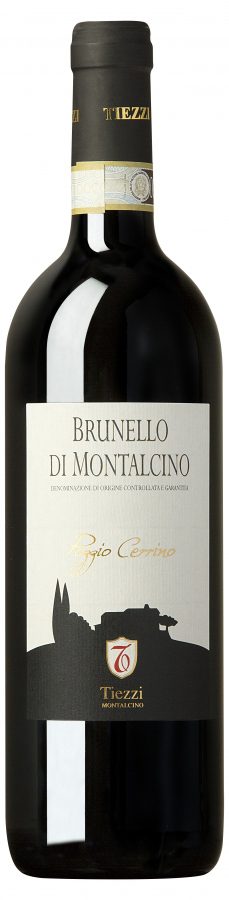
    Well, Francesco certainly appreciated it. But he is hardly alone. Wine magazines consistently rate them in the 90’s, and one publication included Enzo’s 2017 Brunello in the 100 best wines of Italy.

    But as it turns out, the wine was not the best part of Francesco’s visit to Tiezzi.

    While Enzo Tiezzi was writing his doctoral dissertation at the University of Firenze, Francesco was also doing his graduate studies there in Agronomy. They didn’t know one another then, but they shared many of the same faculty and many of the same memories, It was like a 50th reunion for both of them.

  • Pienza Opera Redux

    For the twelfth year in a row, the opera competition returned to Pienza. (For the description of how the competition works see last year’s post: https://rbergson.org/the-opera-festival/)

    The two women below participated in last year’s competition. Arianna Giuffrida returned to compete this year…and the woman on the right won the lead role this past Summer in Pienza’s production of Tosca. When we showed them our blog post from last year, they couldn’t help themselves…


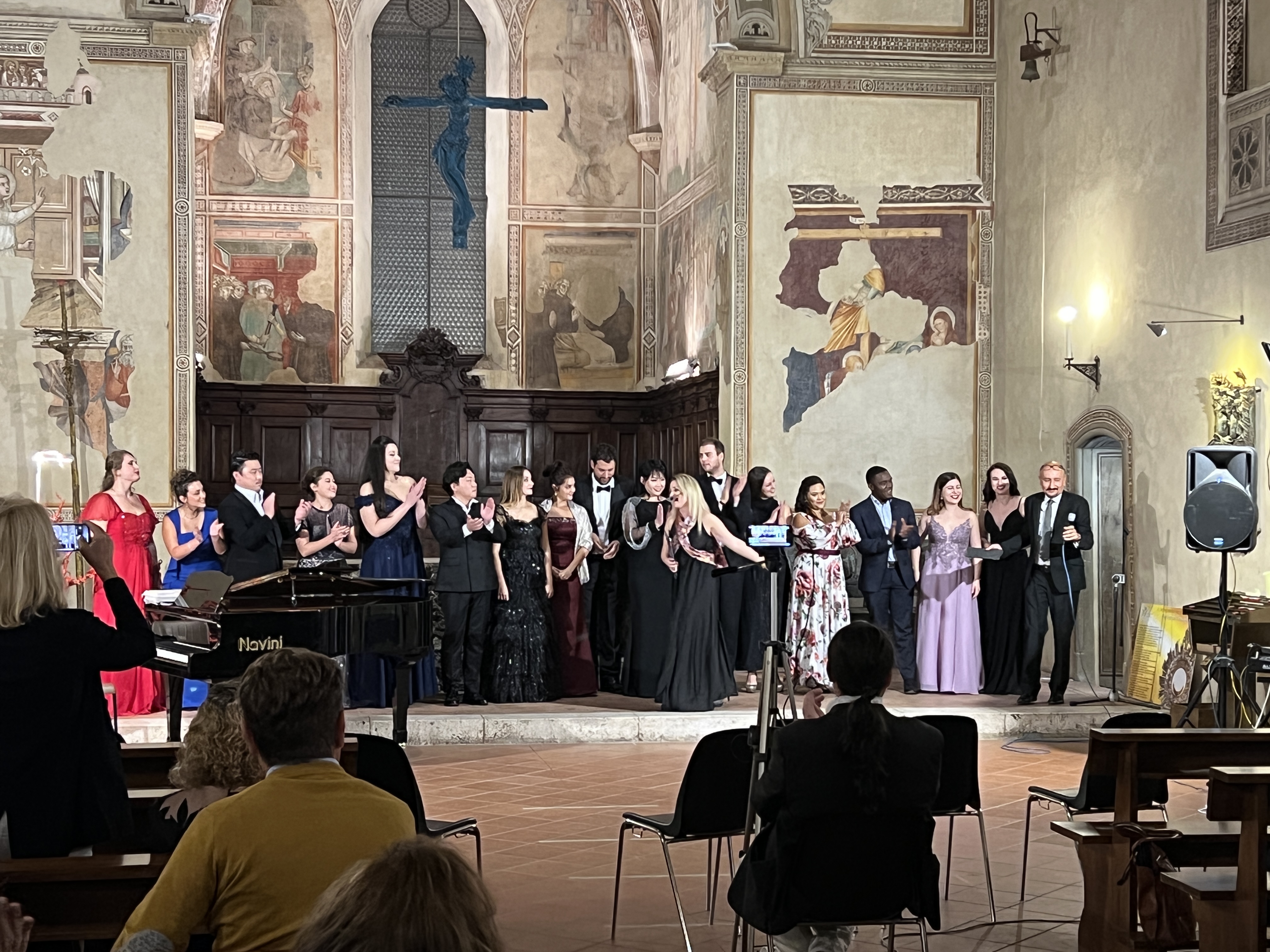
    This year’s festival attracted 72 entrants from 22 different countries…whittled down to 16 for Saturday night’s finals. Each contestant submitted five pieces to sing, and the judges chose what they wanted to hear in the finals. There was a wide variety of music…with Wagner noticeably absent…and some predictable numbers:

    Jongwoo Hong sings from Puccini’s La Boheme:

    And Viola Sofia Nisio sang a soprano’s aria from the same opera:

    Like Olympic diving, the judges give extra points for degree of difficulty. Matteo Mancini won a coveted prize…an audition with the Berlin Opera Company…for this aria from Rossini’s Barber of Seville:

    For degree of difficulty, Mancini was outdone only by Siberian soprano Maria Kokareva, singing from Motzart’s The Abduction from the Seraglio (for which she won three prizes):

    After her performance, the judges adjourned to decide who would go home with honors. This is when the real fun began. To fill the hour they were away, the performers got a chance to strut their stuff.

    Carol and Roger were blown away by the voice of South African Lulama Taifasi:

    And Spanish tenor Gillen Munguia brought down the house with the 1932 classic Grenada:

    Then came the moment everybody was waiting for. The entire cast assembled on stage, and after the first three notes of introduction…before a single word was sung…the audience burst into applause for Verdi’s Calice from La Traviata:

  • The Fiat 500

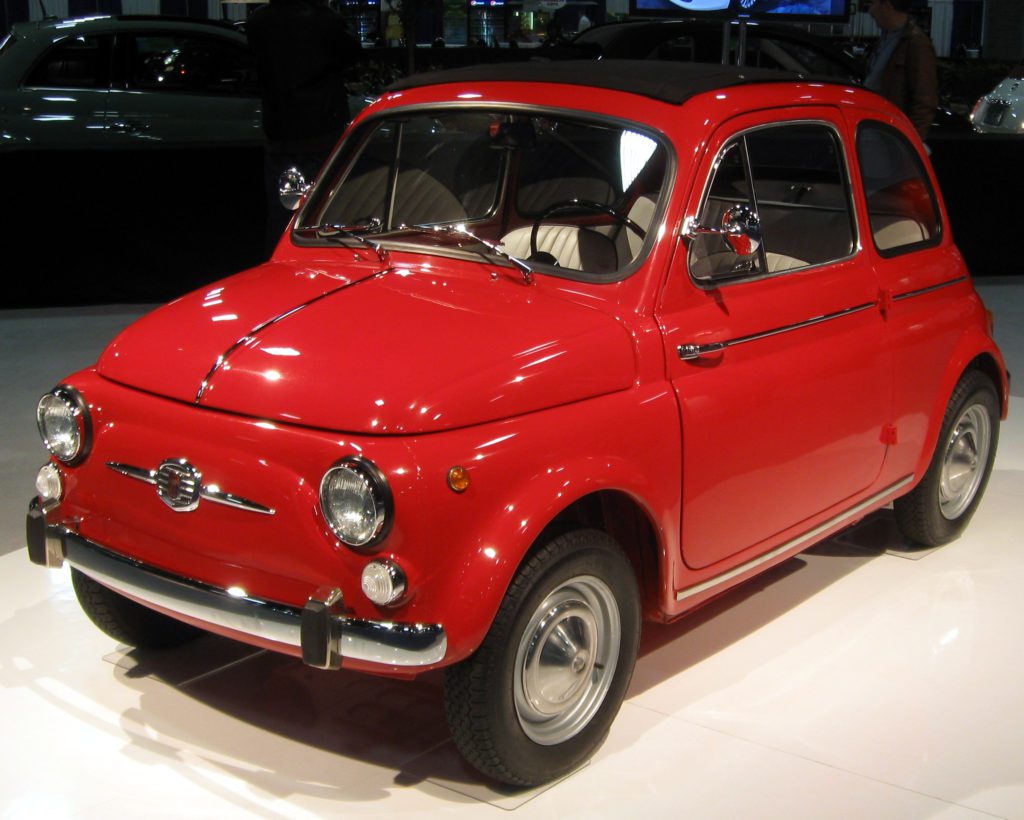
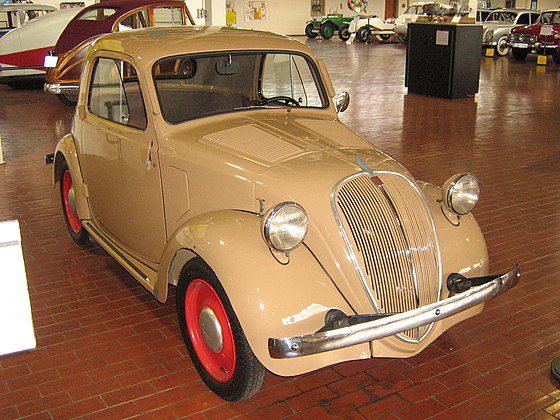
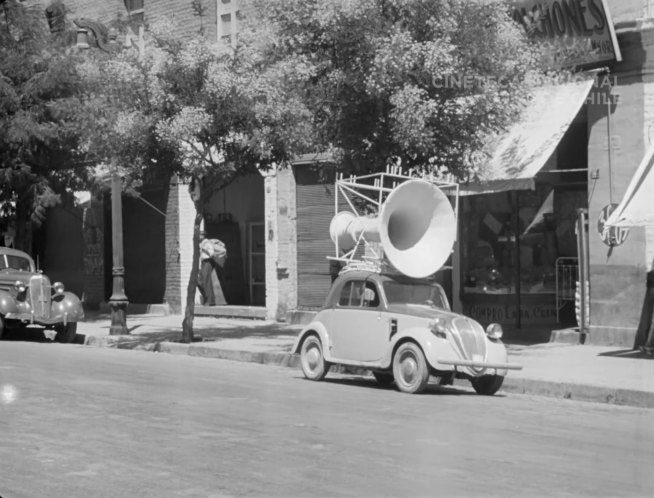
    When you think of small cars…really small cars, what comes to mind in Italy is the Fiat 500…or Cinquecento.

    The car was first produced by Fiat in 1936 and was soon nicknamed “Topolino”…”Little Mouse”…because of it’s diminutive size.

    Immediately after World War II, the car was in high demand. It was cheap, easy to maintain, and easy on steel…which war-ravaged Italy had a hard time producing enough of.

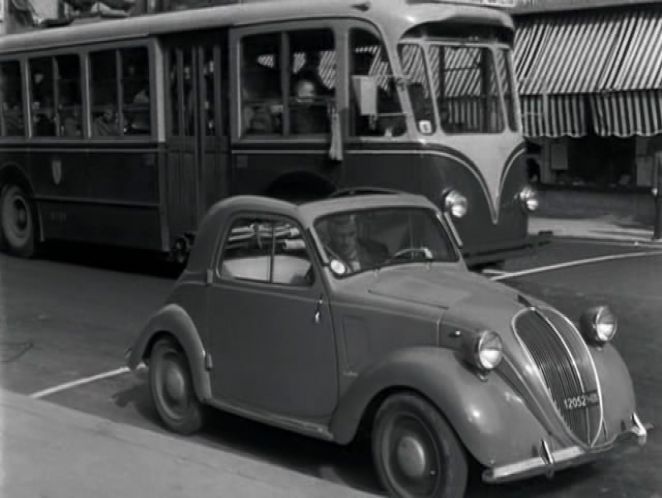
    The car had enough personality that it was featured in numerous Hollywood movies. Gregory Peck drove one in Roman Holiday (1953).

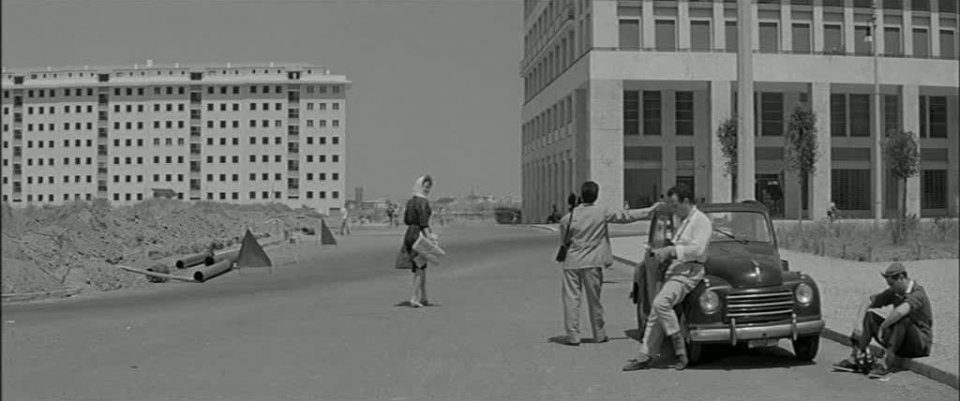
    And Toto drove one in Frederico Fellini’s 1960 classic La Dolce Vita.

    The Cinquecento is still produced today. In fact, Carol and Roger recently rented one on a visit to Firenze.

    We could barely make it up hills, but the car is easy on fuel. We drove 500 km (300 miles) on little more than 6 gallons of gas.

    In Firenze, the narrow streets and scarcity of parking spaces make the car’s small size an asset.

    Please note how close the car is parked to the wall on the driver’s side…

    …which makes it a challenge to get into…

  • Monte Amiata

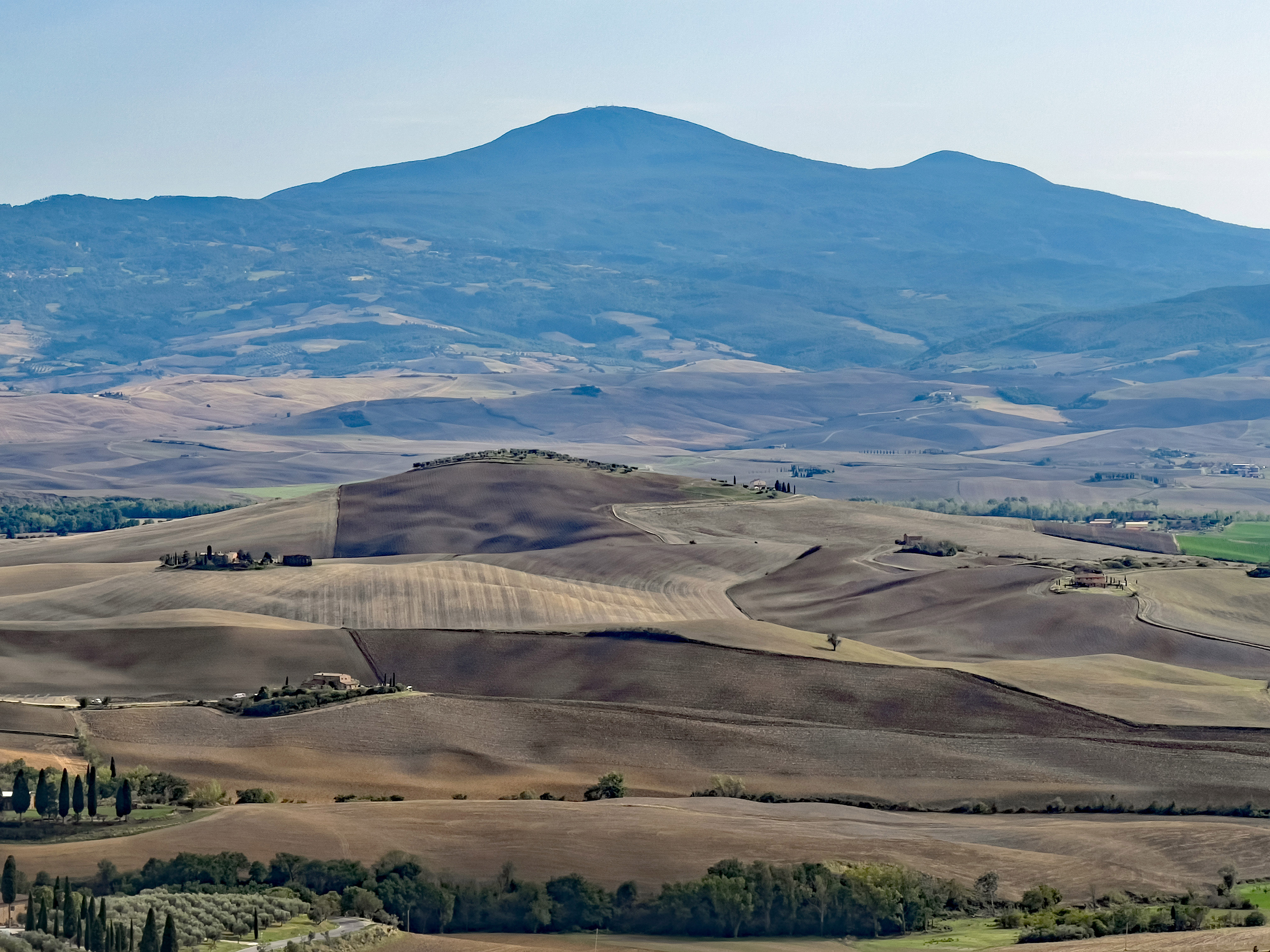
    When you look across the Val d’Orcia from Pienza, the skyline is dominated by Monte Amiata.

    Monte Amiata is Italy’s second tallest volcano, though unlike its bigger cousin, Mt Etna, it hasn’t erupted for the last 180,000 years.

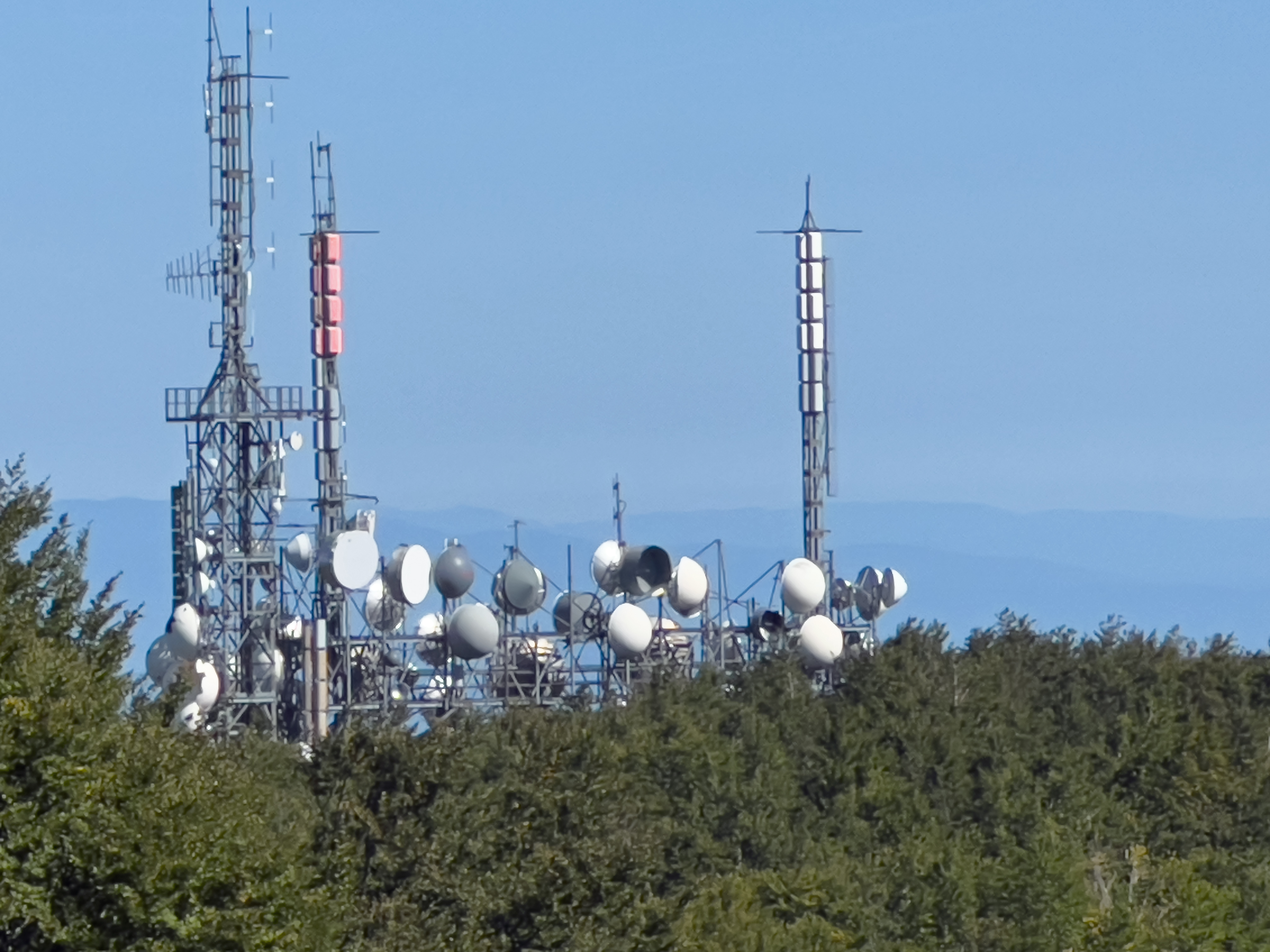
    The summit of Monte Amiata stands at 5,702 feet above sea level. Because of its height, the summit is dotted with microwave towers and other communications equipment.

    The mountain affects the weather for the whole region, even altering the taste of Brunello wine depending on its proximity to the vineyard.

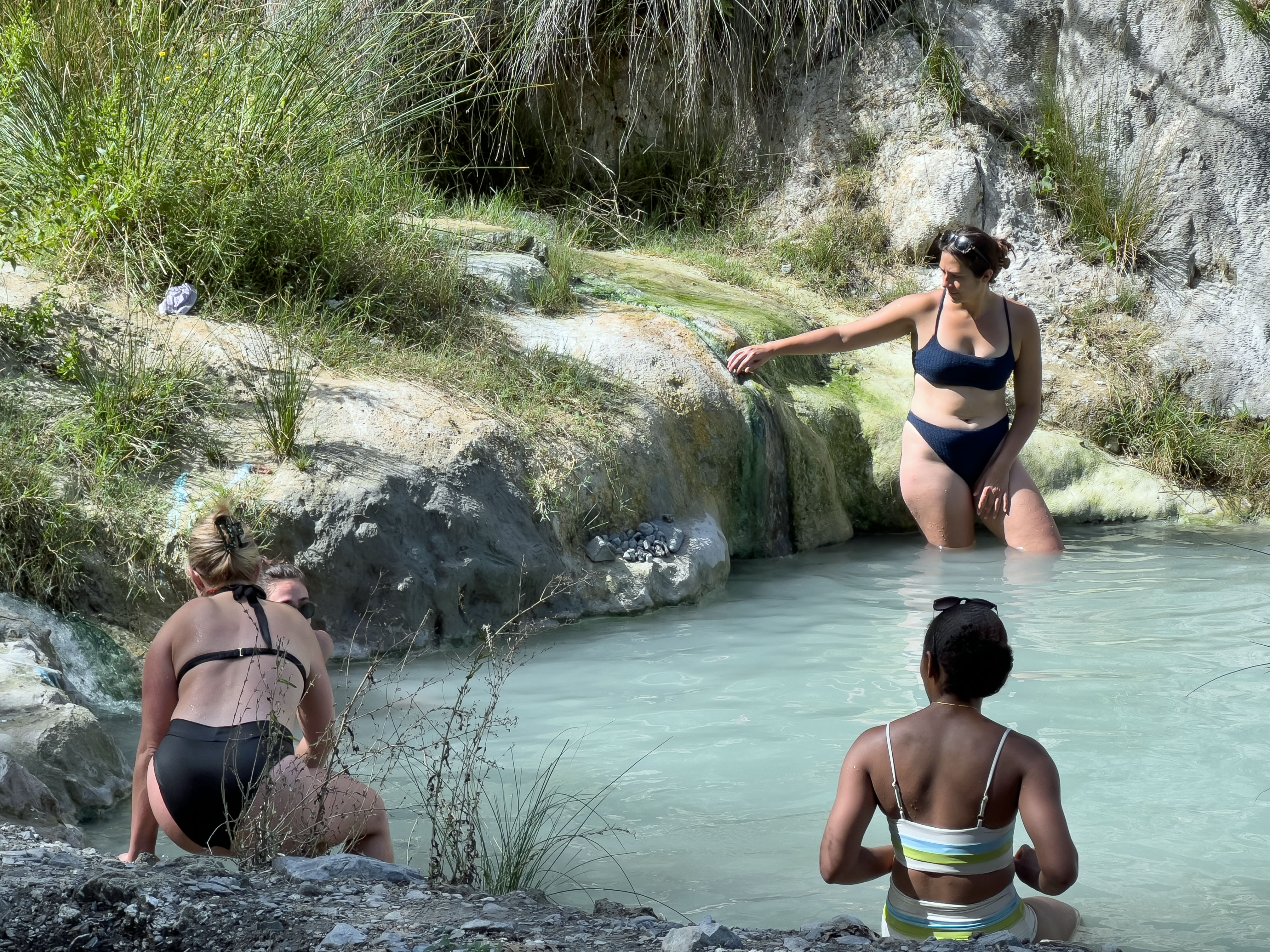
    The volcano may be dormant, but it’s still cooking away deep below its summit. It feeds the numerous thermal baths in the area…Bagno San Filippo, in this case…and still actively produces Cinnabar, the main ingredient in vermilion pigment.

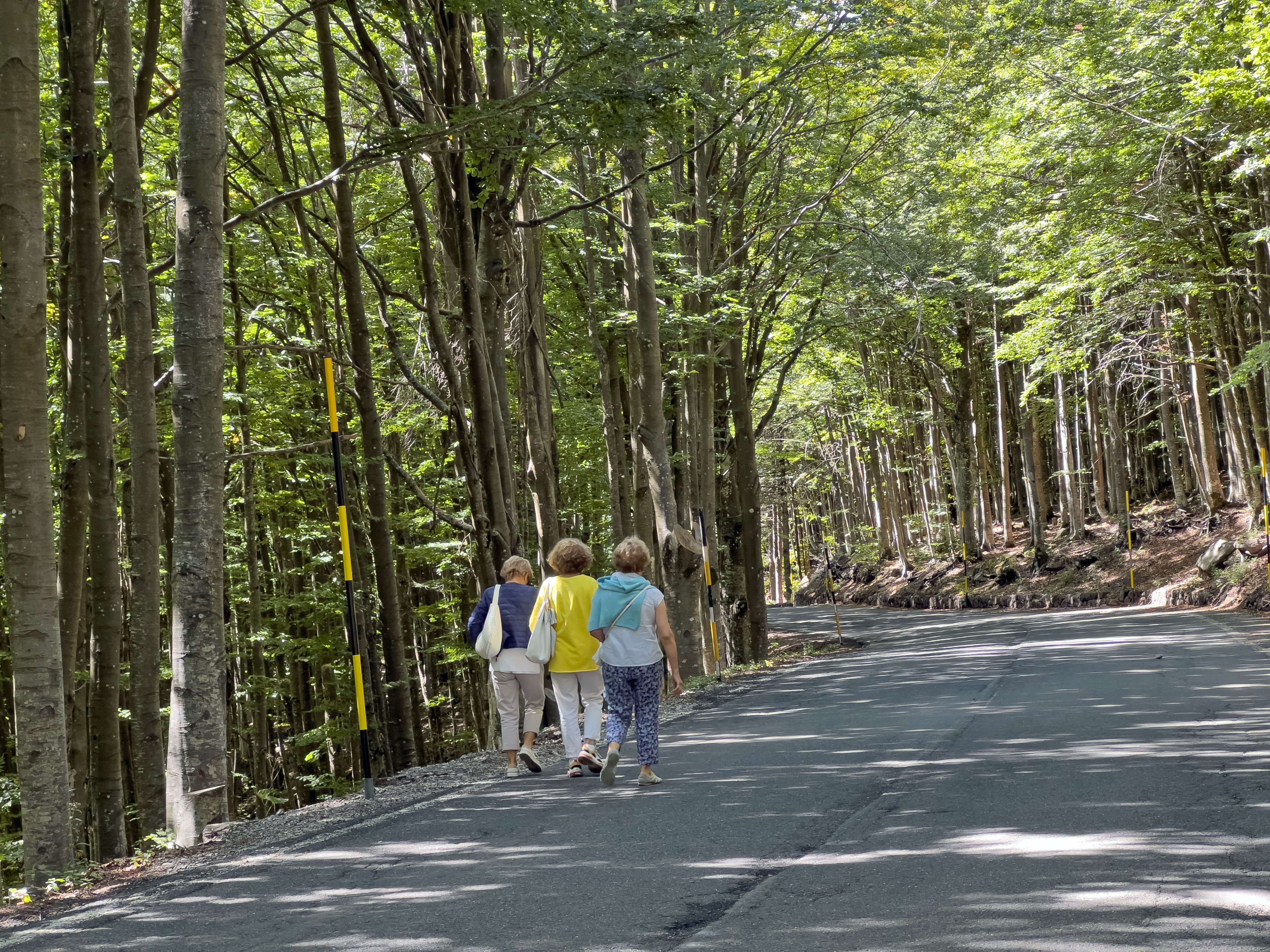
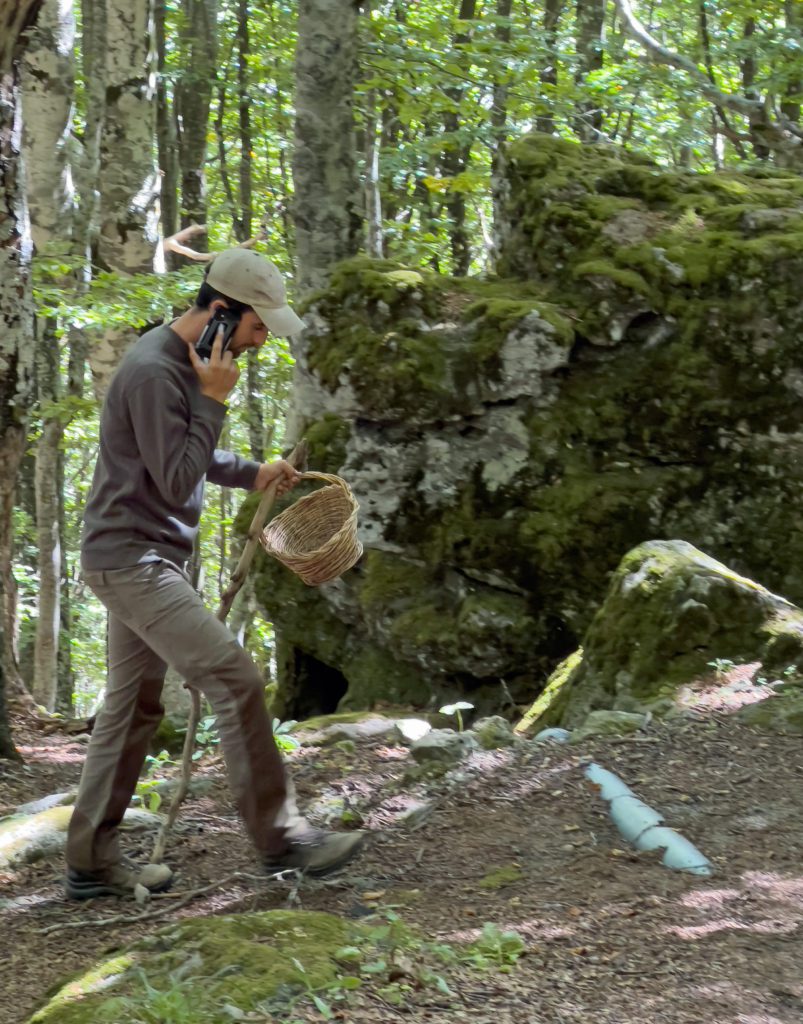
    The lower slopes of the mountain are covered with chestnut and beech forests…beautiful in the dappled sunlight…and the elevation makes it cool enough for hikers to beat the 90 degree temperatures down in the valley.

    Farther up the mountain, we saw mushroom hunters searching for the first porcini of the year.

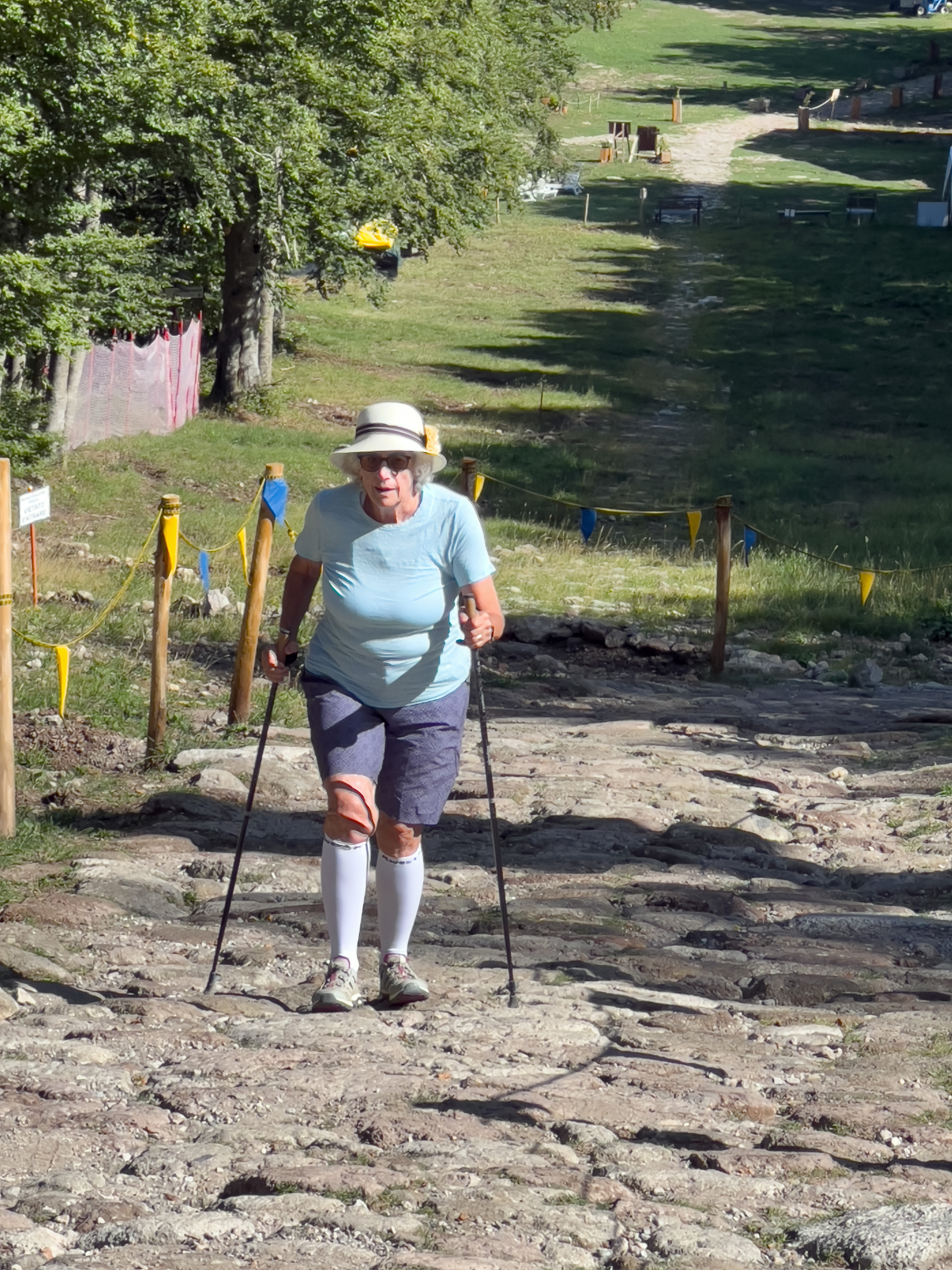
    The path up to the summit is not technical, but it is fairly steep and a good way to work up a sweat on a Summer’s day.

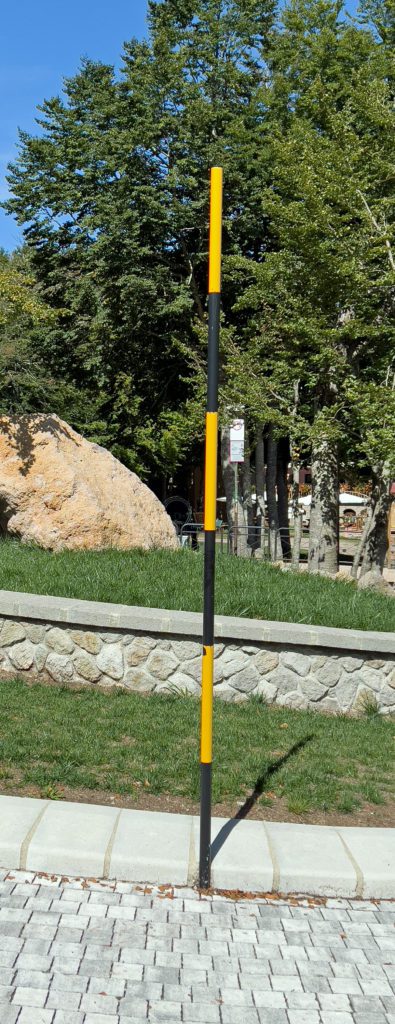
    The upper reaches of the road to the summit are lined with these black and yellow poles. They guide the snow plows as they clear the roads and measure the depth of the snow.

    The snowfall record, set 8 years ago, is 14 feet.

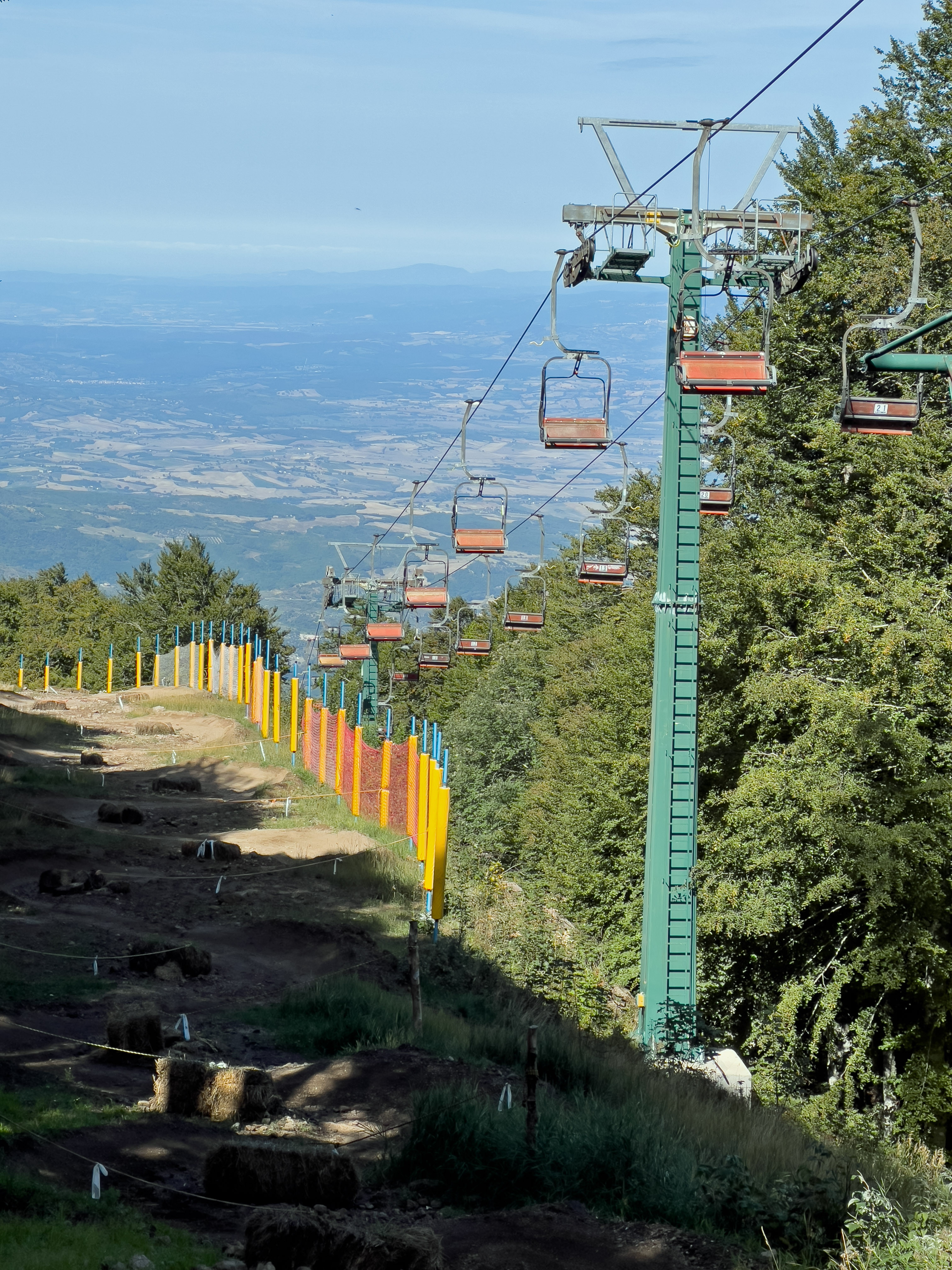
    We saw three chair lifts for ski runs near the summit. While Pienza rarely gets snow, apparently Monte Amiata, at 1200 meters higher elevation, gets plenty.

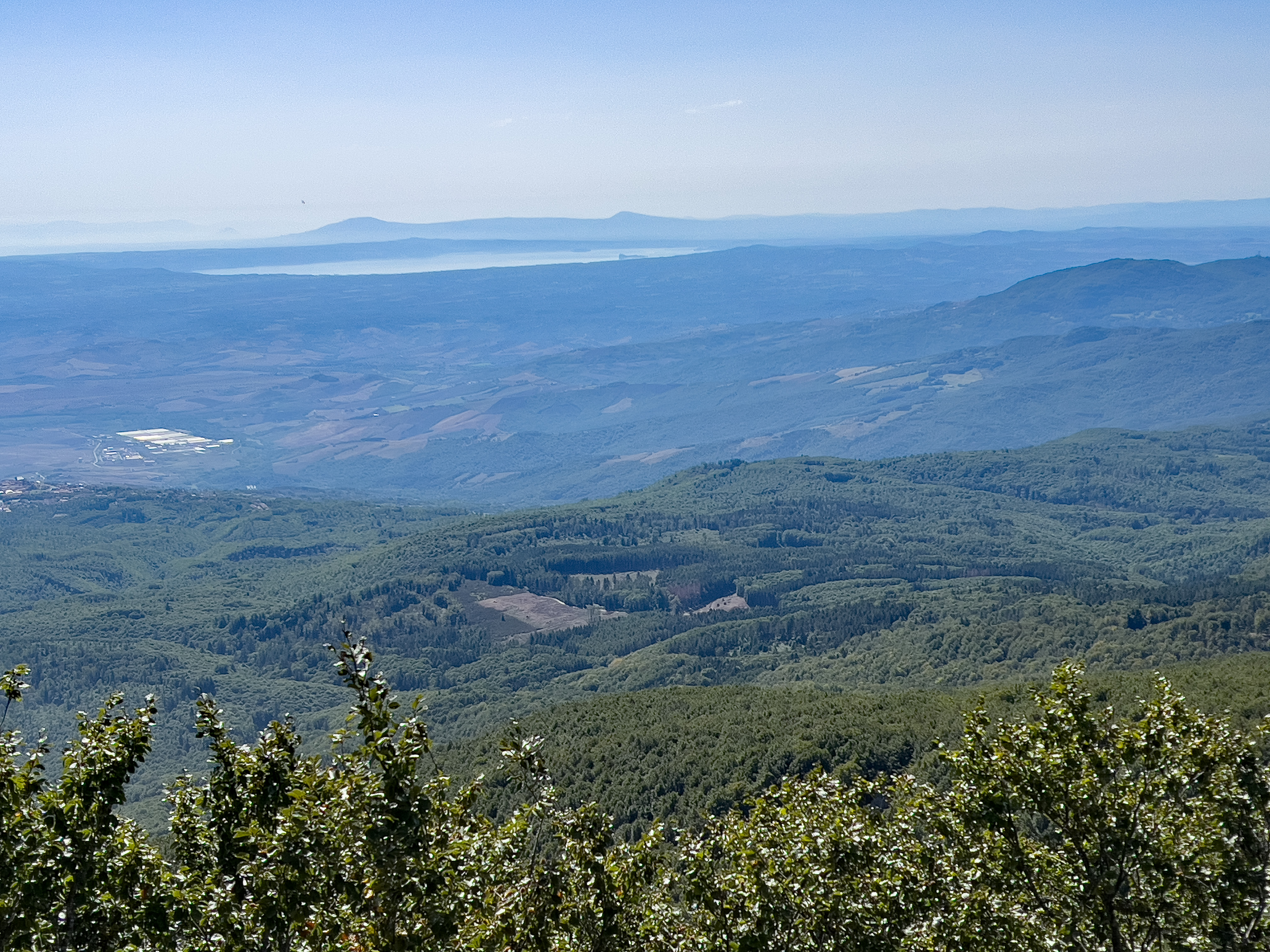
    Looking east from the summit, you can easily see Lake Trasimeno, 34 miles away.

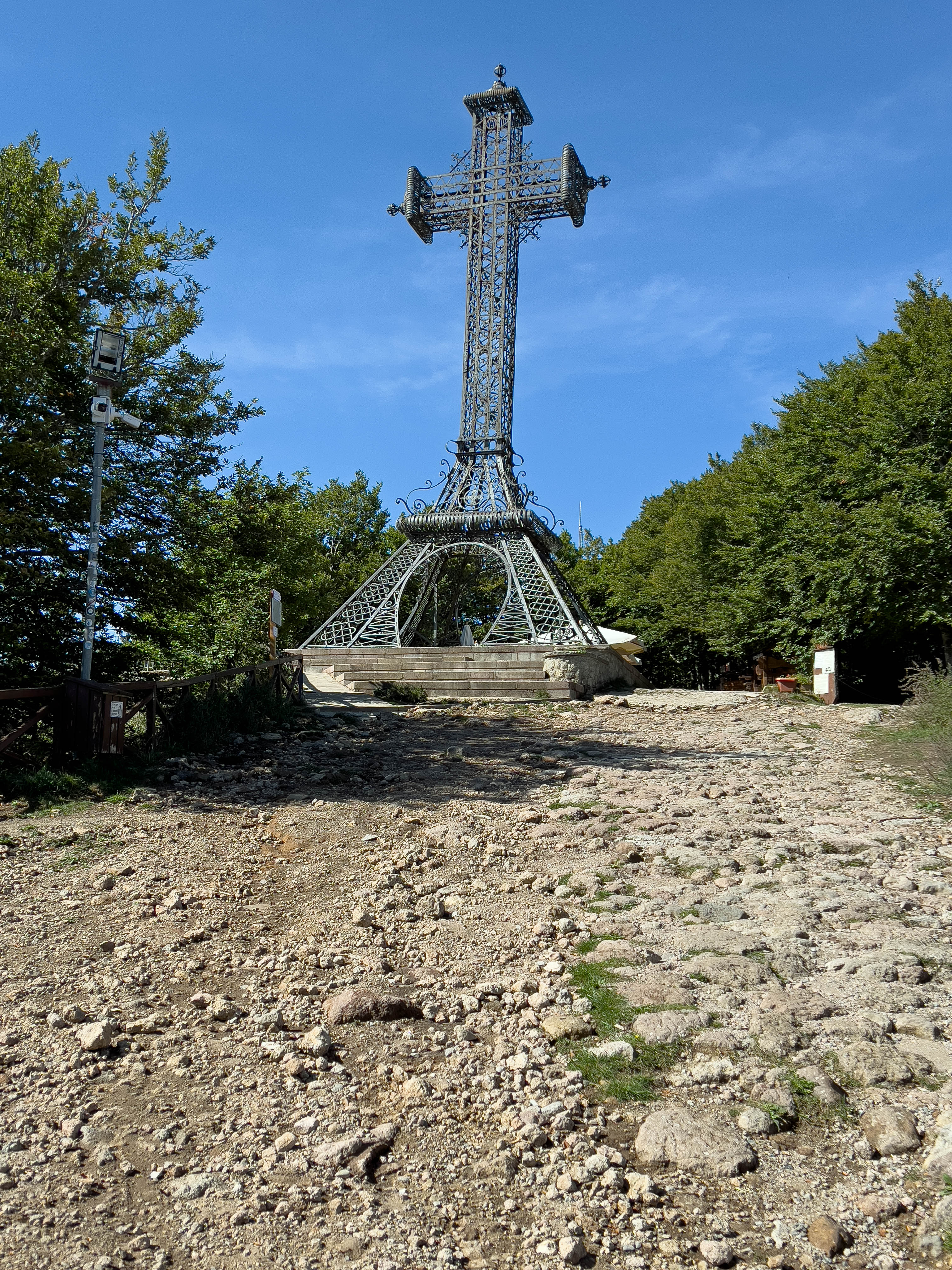
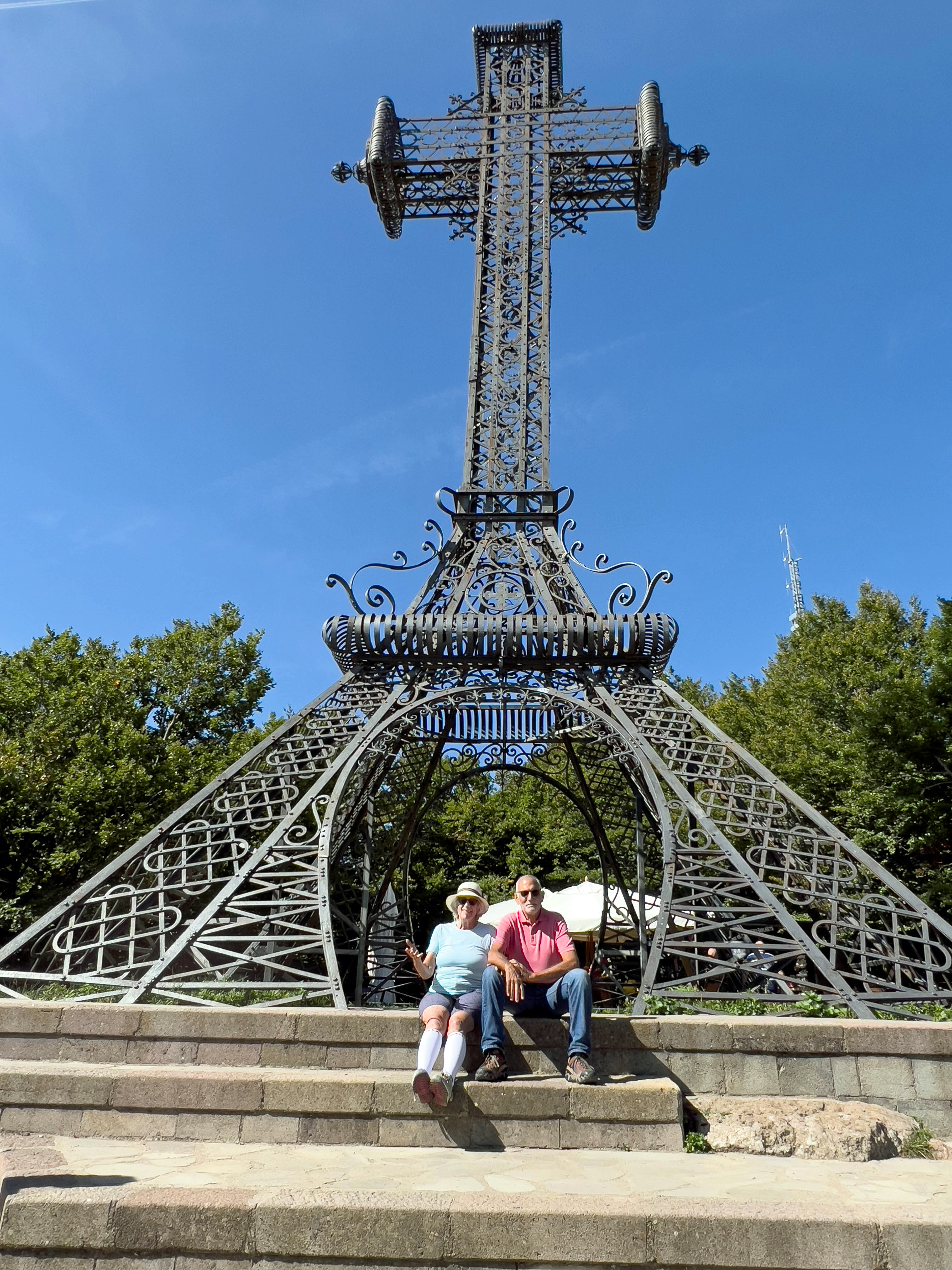
    At the very top of the mountain, we saw this….

    How did this get here?

    Well…at the end of the 19th Century, Pope Leone XIII decided to put giant crosses atop Italy’s twenty tallest mountains. This one was #9 (Monte Amiata being Italy’s 9th highest peak). Think of what it took to get all that wrought iron up to the top of this mountain!