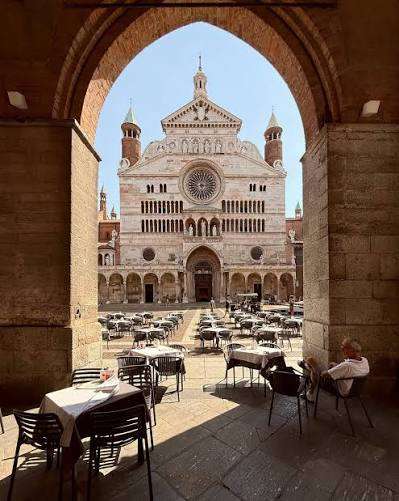
Cremona is a city of 70,000 in northern Italy.
In the middle of the 16th century it started a revolution…
… in music.
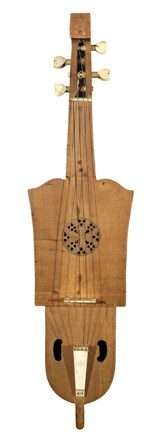
During the Renaissance, stringed musical instruments looked like this…
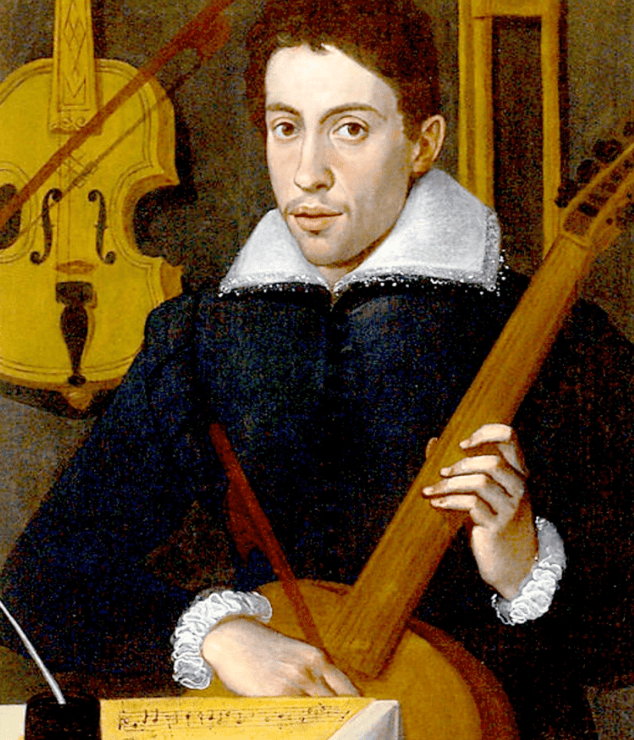
Then in the middle of the 16th century, this man changed all that.
His name was Andrea Amati. He is credited with building the first modern violin.
This is violin he built in 1566.
Andrea had two sons and three grandsons…who also became master violin makers.
This spawned two and a half centuries of exceptional instrument makers and put the small city of Cremona in the forefront of the European music scene.
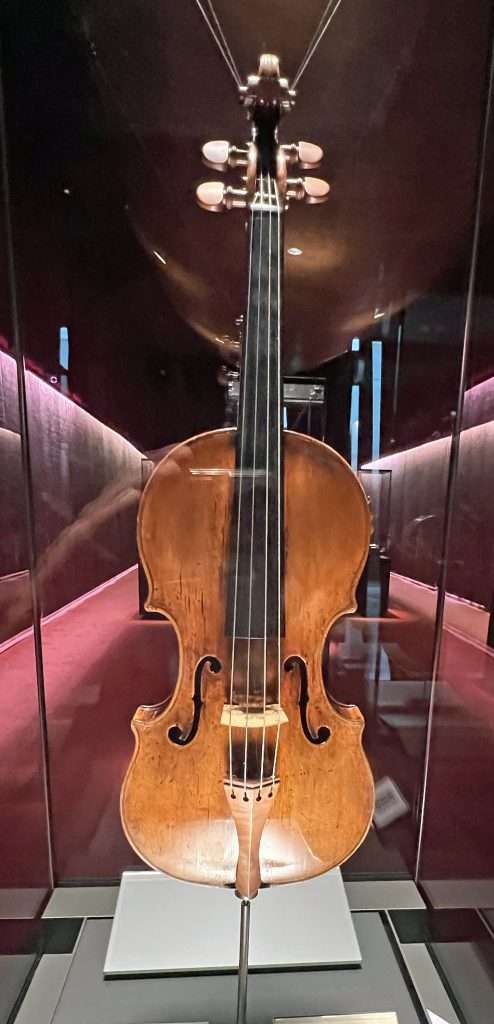
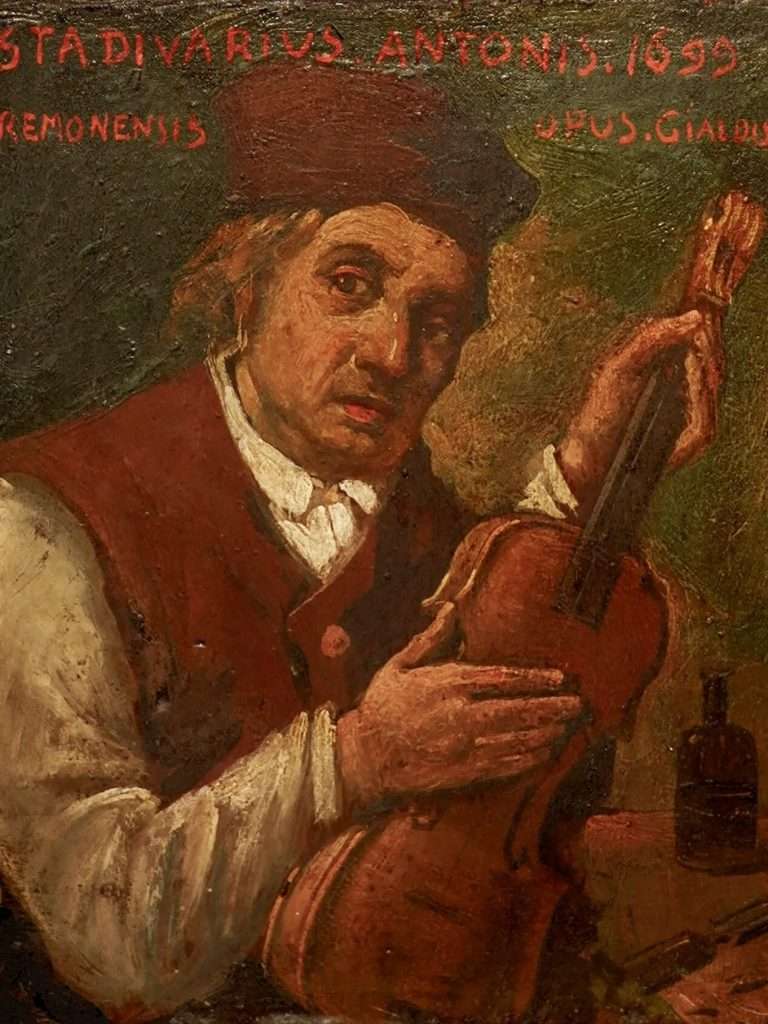
Three generations later, Antonio Stradivari was born. He revolutionized the way violins were made.
He discovered making the back of a violin from spruce improved the sound quality.
He redesigned the neck of the violin to make it easier to play.
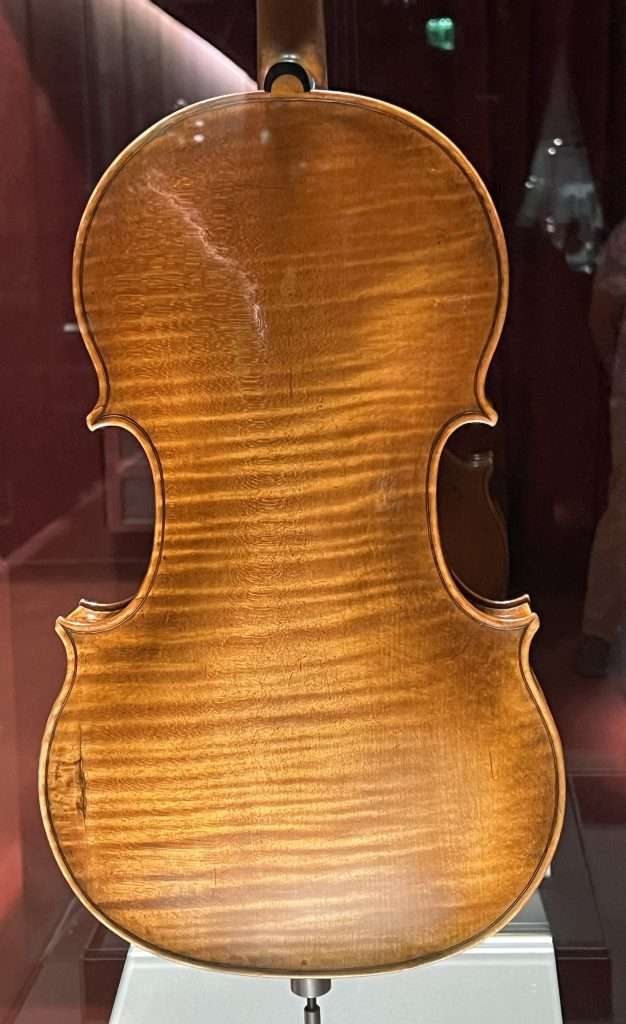
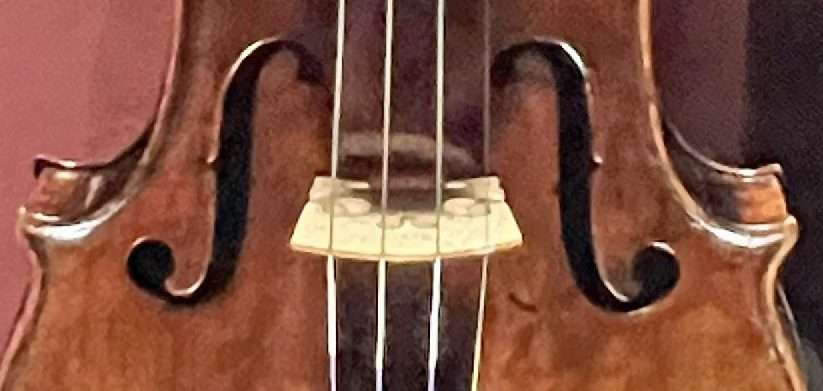
And he discovered that if he made the “f hole” on the right side of the strings just millemeters longer than the one on the left the sound improved.
In his lifetime, Stradivari made nearly 1100 stringed instruments…including this cello (made in 1700).
They are so cherished for their exceptional sound quality, nearly half of them are still in use today.
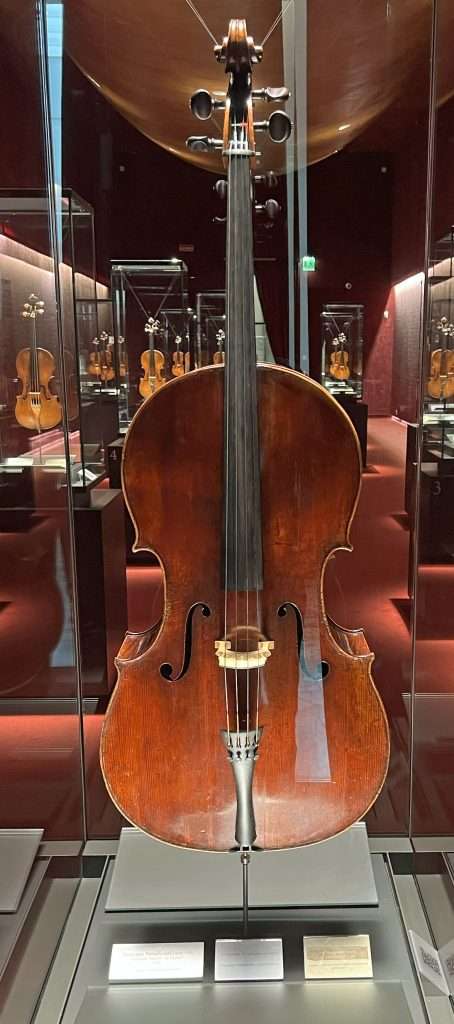
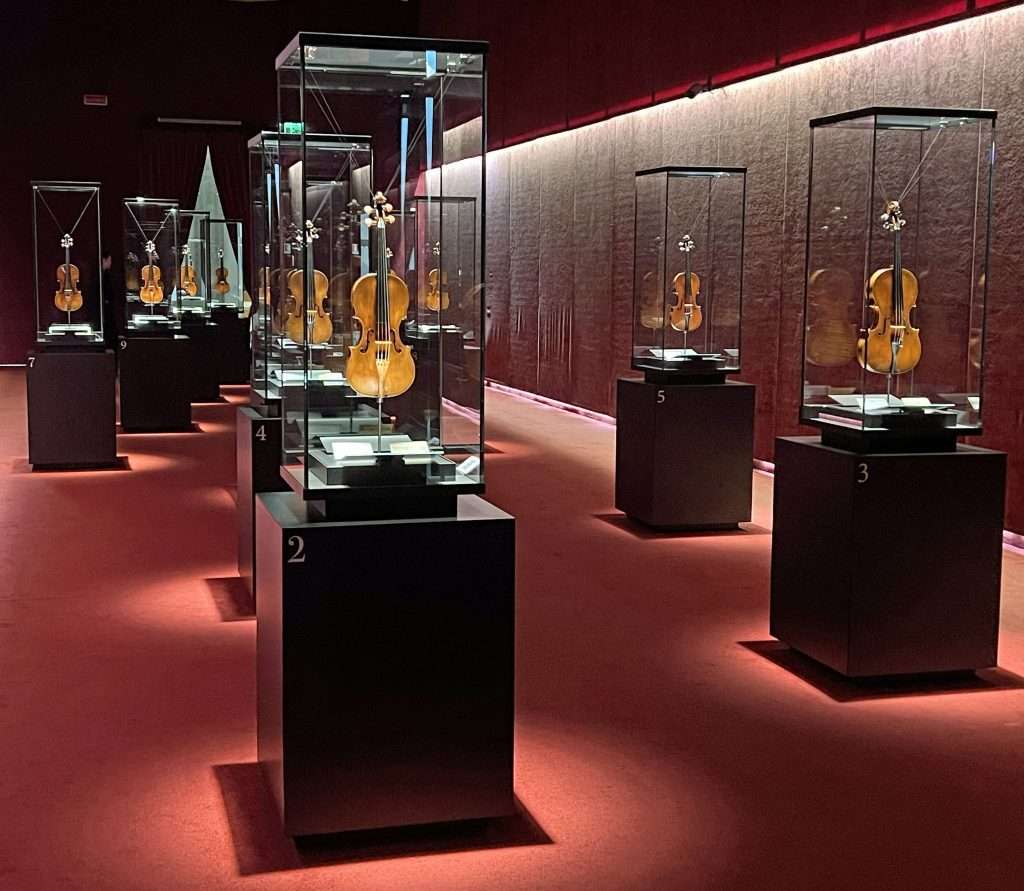
All of the violins and cellos seen here are now housed in the Cremona Violin Museum.
This room, where the best of the best are on display, is called “the Treasure Box.”
It contains violins made by several generations of Amatis, several generations of Stradivaris, as well as Guareris, Rugeris, and Bergonzis.
Forty-one violin-makers in all.
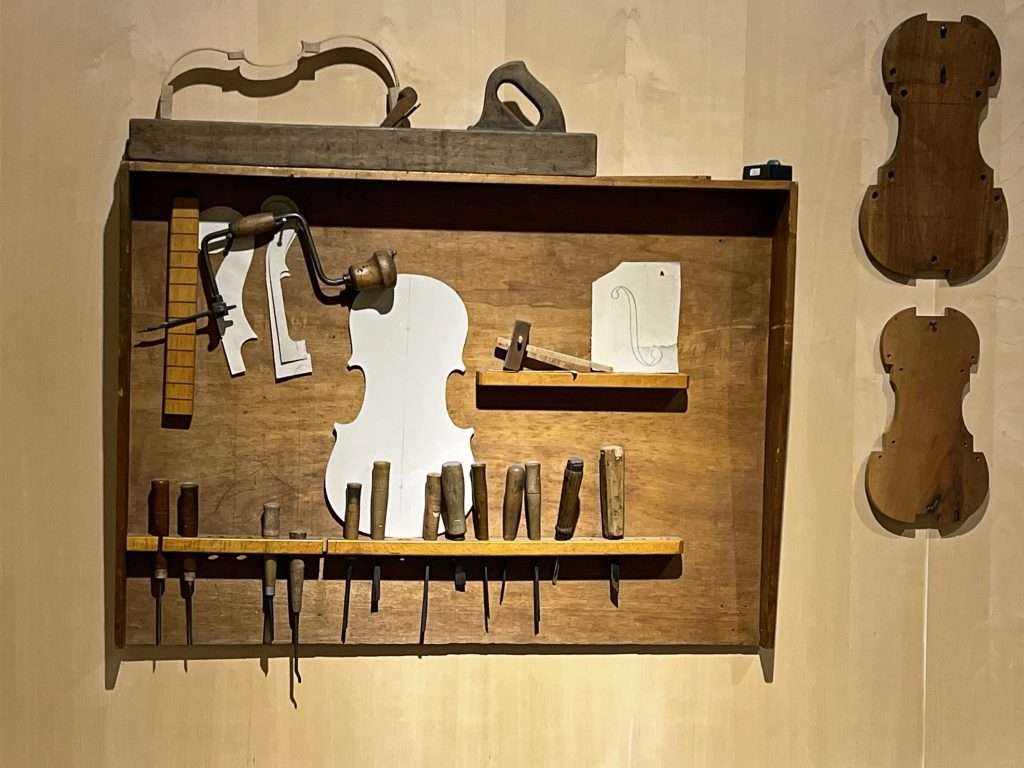
Several of the tools from the old workshops have been saved…
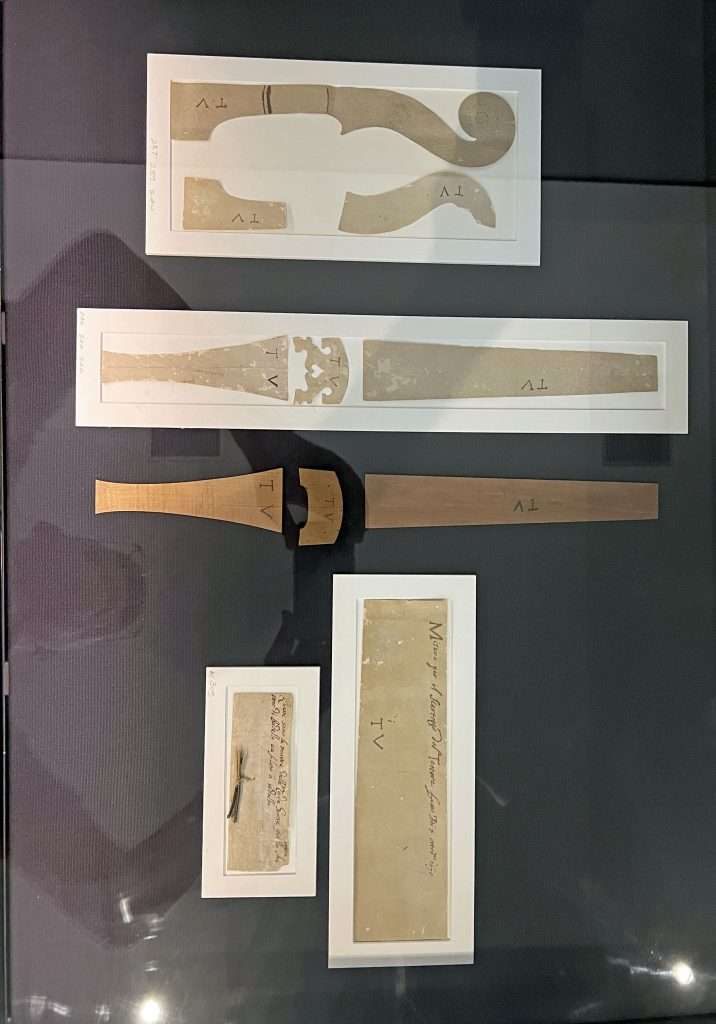
…as have several of the original patterns Stradivari used to make his instruments.
The city of Cremona has preserved the memory of these great artisans with public statues and piazzas renamed in their honor.
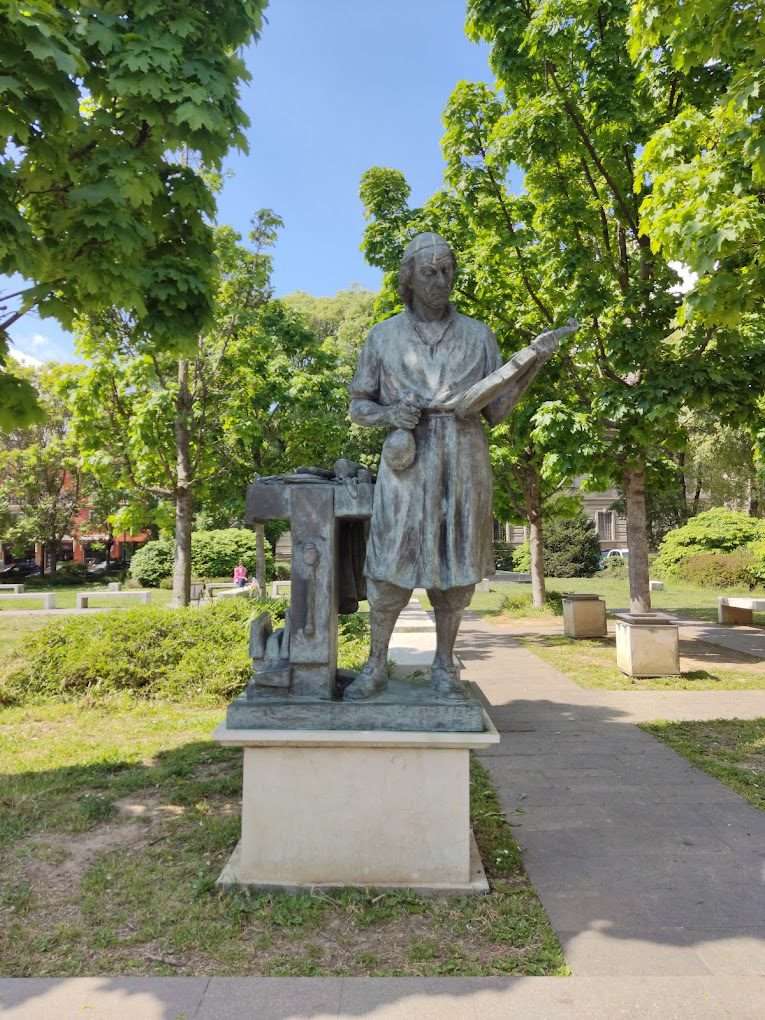

Every three years, the museum sponsors a violin-makers’ “Olympics.” The last one, held in 2024, had 315 entrants from 37 different countries.
While there were numerous awards handed out, it’s notable that there was no gold medal granted in either the violin or viola category.
Today, Cremona remains a center for the manufacture of stringed instruments.
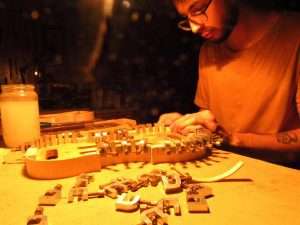


There are nine shops where a serious musician can purchase a custom-made violin.
Roger’s interest in Cremona’s violin-making tradition was triggered by the 1998 film, “The Red Violin.” It is available to rent on Prime Video, Apple TV, or Fandango.
Leave a Reply