Back in the 1890’s, the city of Siena, Italy, had a problem. The city had outgrown the wells it used to supply drinking water to its people. And…
Those wells often contained contaminated water that produced chronic outbreaks of cholera and typhus.
Siena clearly needed a new water supply.
The answer lay 86 km (54 miles) to the south…on Monte Amiata.
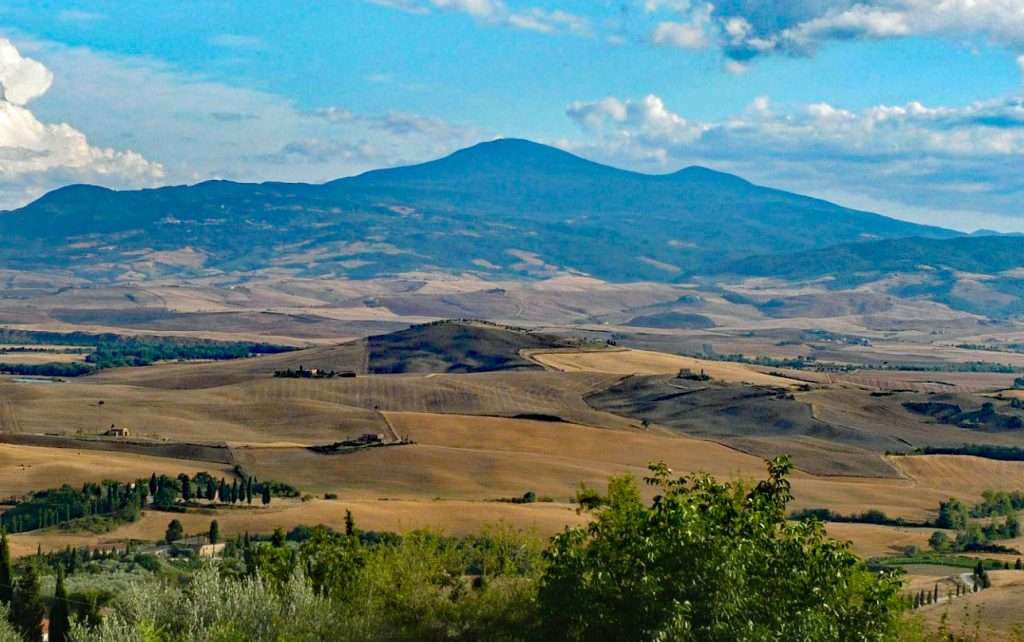
Monte Amiata lies across the Val d’ Orcia from Pienza…a 5,700 ft high volcano that last erupted somewhere between 180,000 and 300,000 years ago.
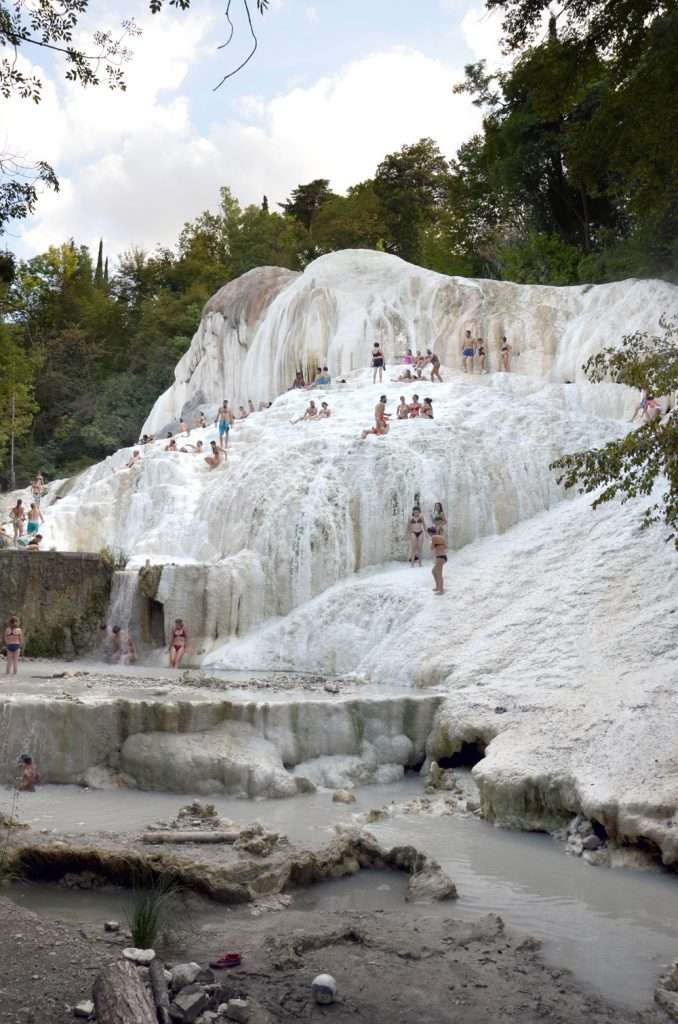
There is still enough of a molten core that Amiata is the home to two thermal baths…Bagno San Fillipo and the ancient Roman spa of Bagno Vignoni.
But something else happened since that last volcanic eruption eons ago. Some of the rock inside Amiata fissured, and those cracks became filled with rain and melted snow.
The city of Siena tested the water that flows from the natural springs on the flanks of Amiata in 1895. It proved bacteria-free, plentiful, and tasty.
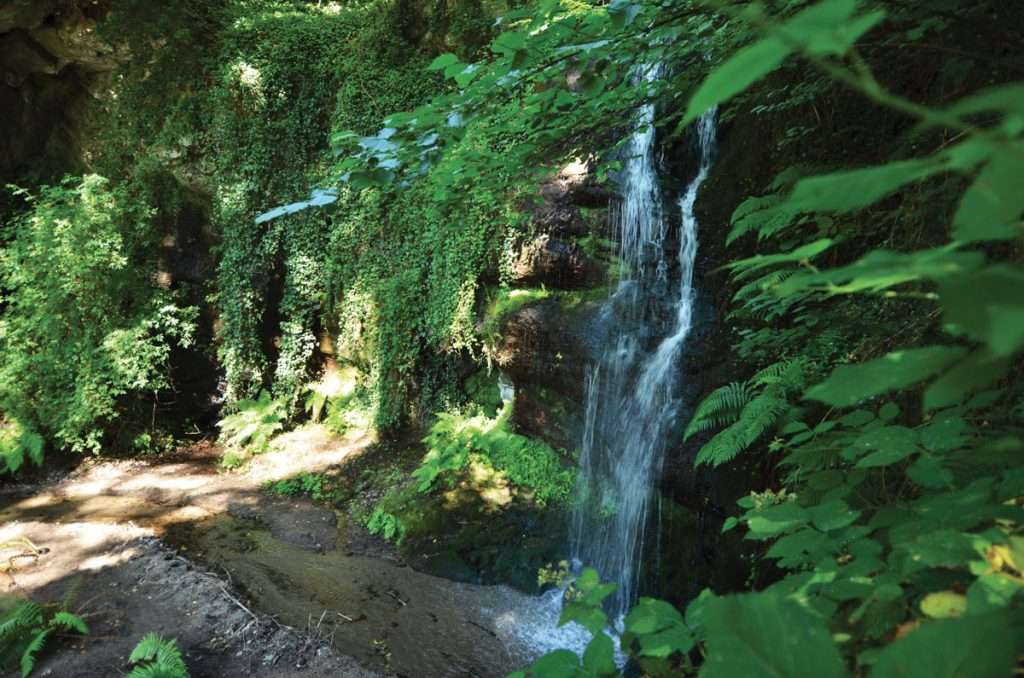
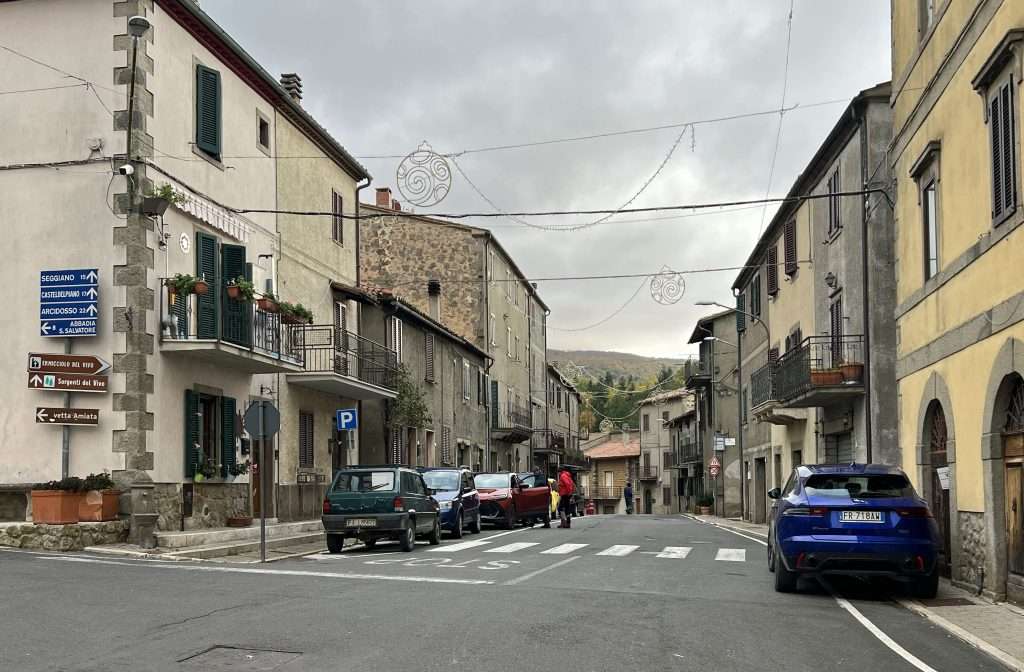
So the city of Siena went to the small village of Vivo d’ Orcia (pop. 600) to find a way to get its spring water to Siena.
Vivo d’ Orcia is surrounded by chestnut forests and…a little higher up the mountain…vast stands of beech trees.
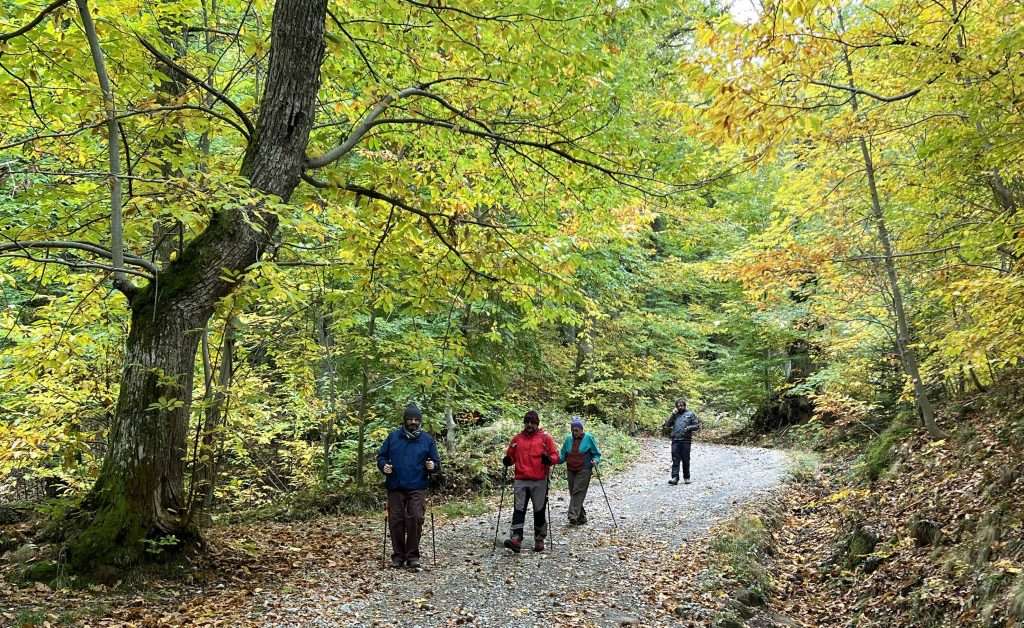
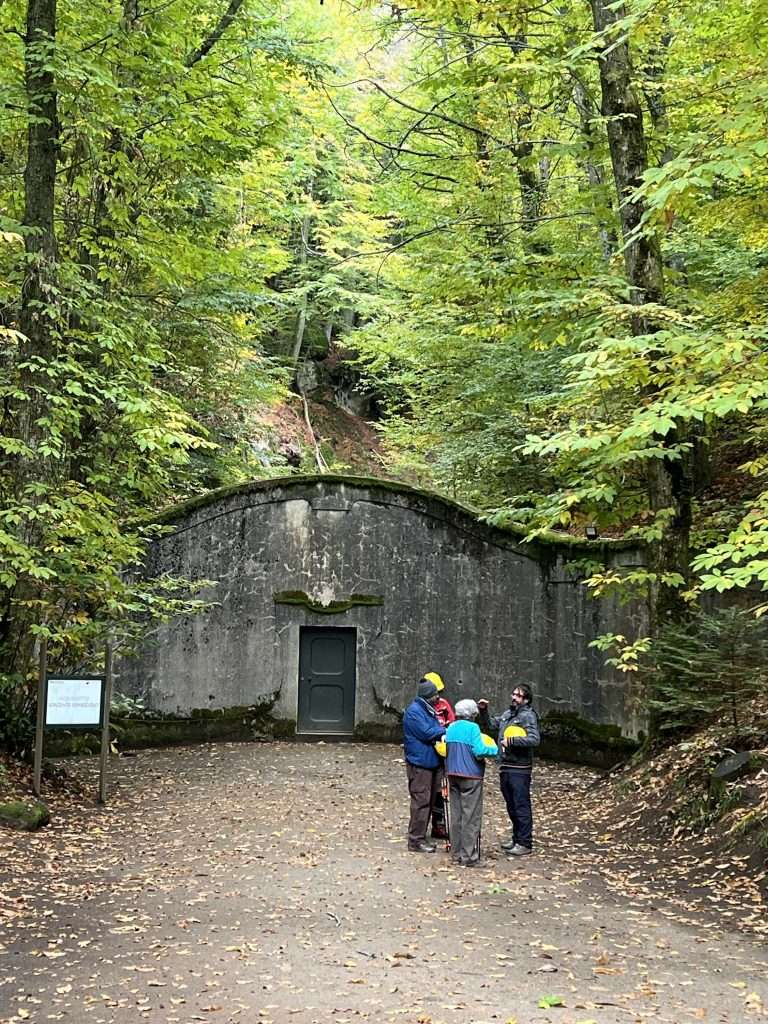
At an elevation of 1,007 m (3,300 ft.) we found…seemingly very much out of place…a cement wall with a small door.
The sign by the door read Acquadotto Sorgente Ermicciolo (Aquaduct Sourced at Ermicciolo).
We knew the ancient Romans were famous for building aqueducts…but 19th century Italians?
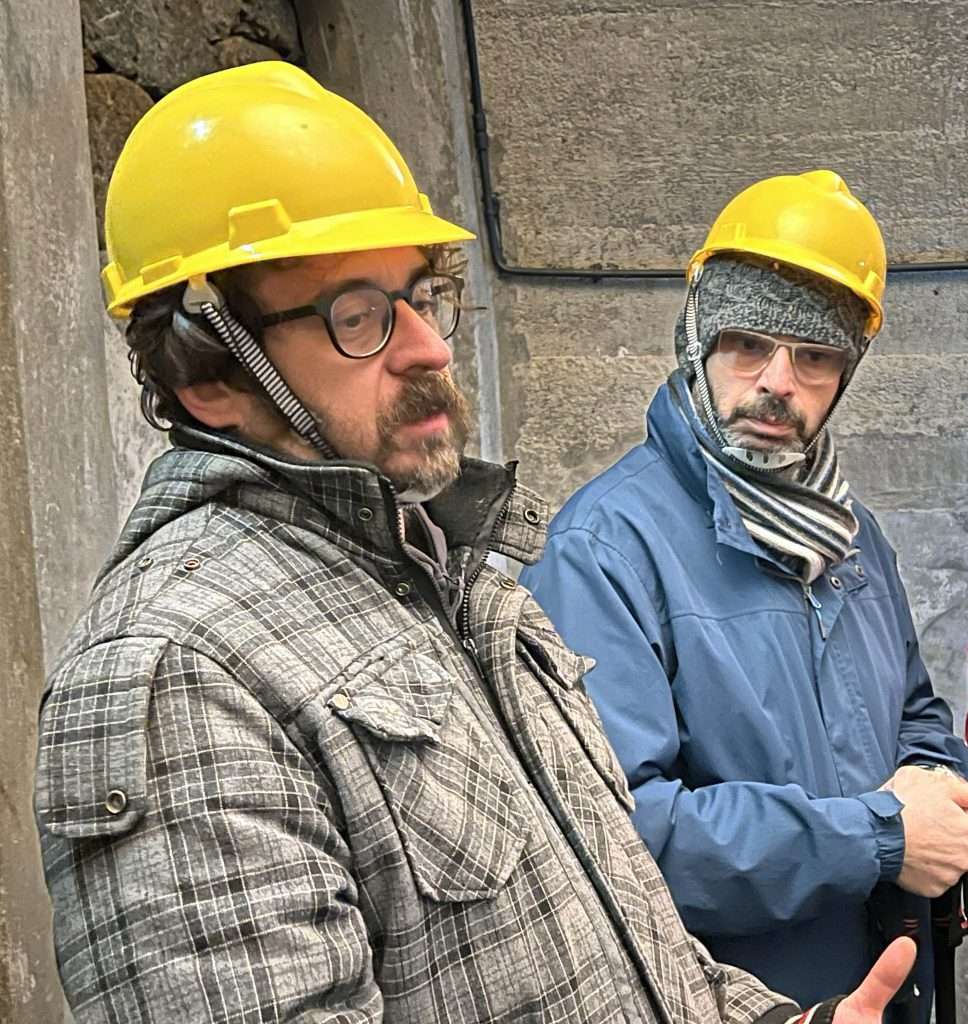
Our guide, Fabio Rossi…at the left in this picture…showed us what was behind that small door.
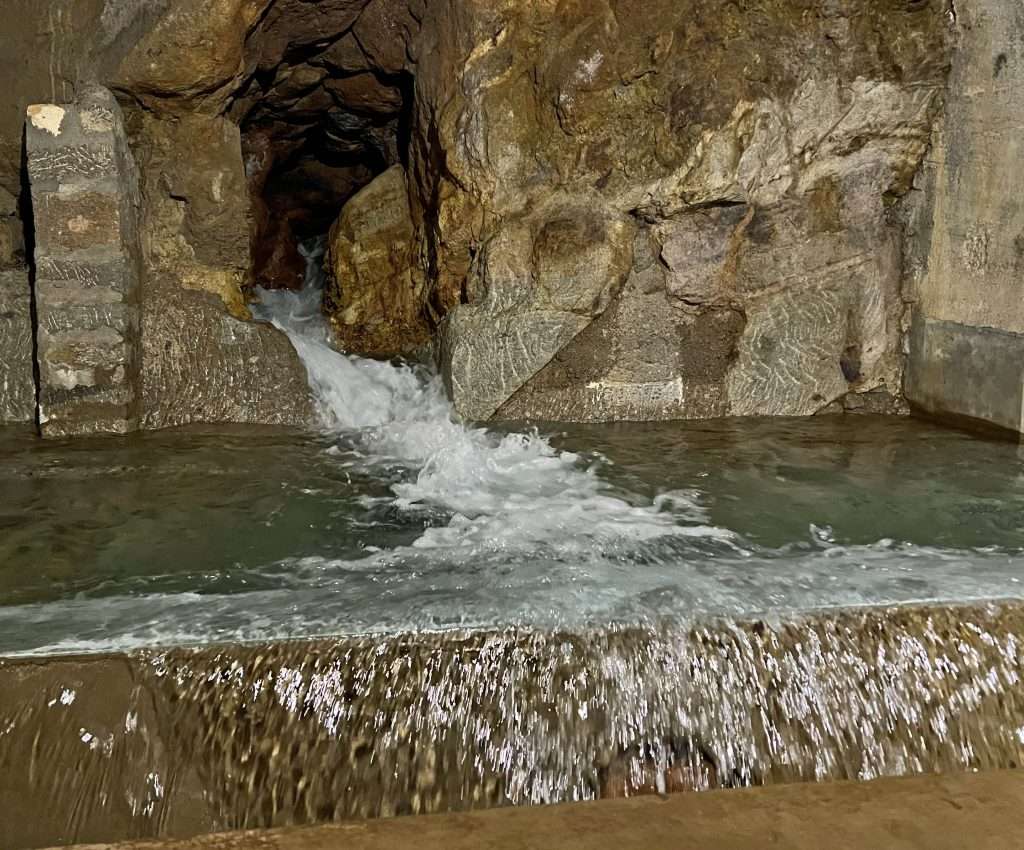
Water gushing from a natural spring deep inside the bowels of Mt. Amiata.
The city of Siena consumes 3.6 million liters of water a minute. This spring produces 9.6 million liters a minute.
Getting the water from the spring (elev. 3,300 ft) to the bottom of the valley (elev. 938 ft) was not a problem.
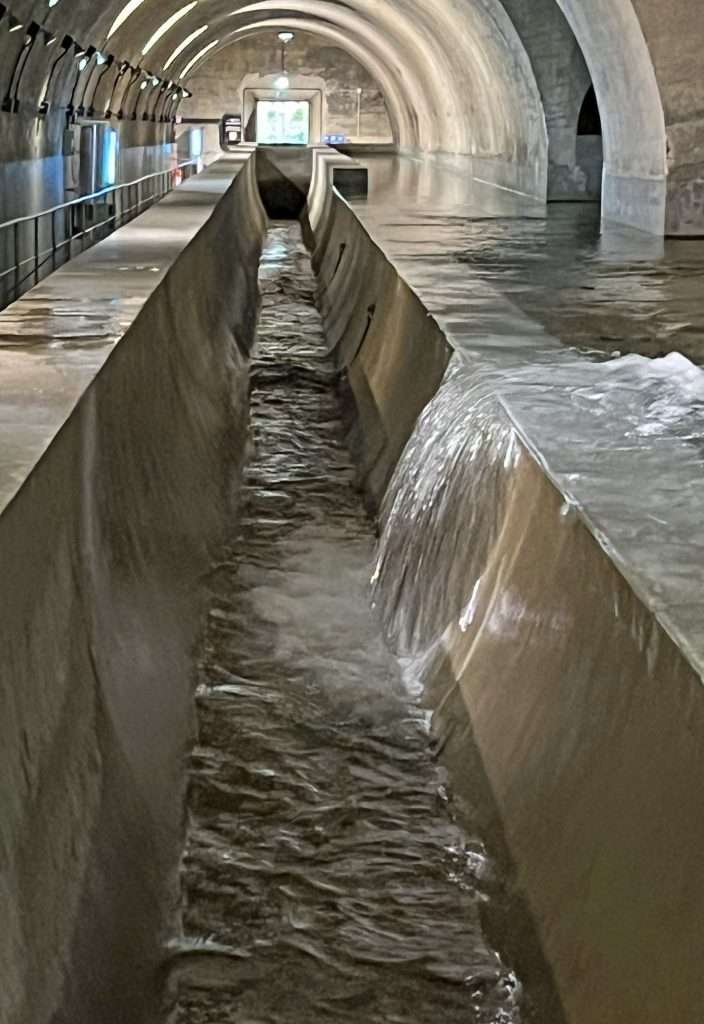
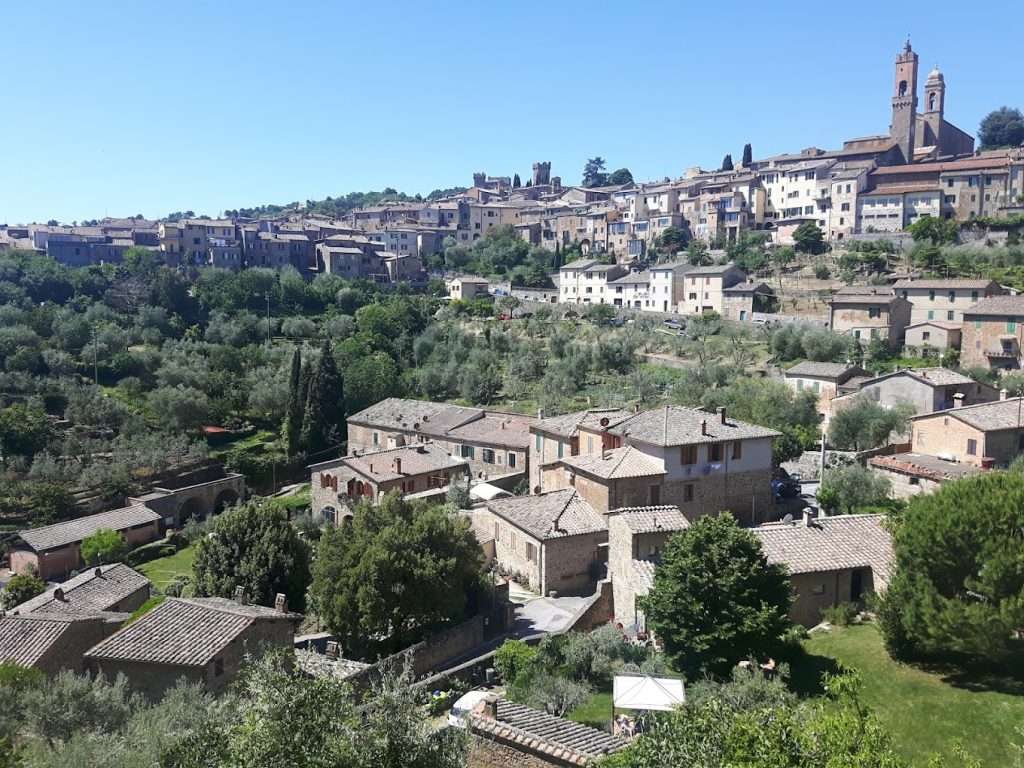
Getting it under the hilltop town of Montalcino and across the Orcia and Ombrone rivers…all without pumping stations…would prove to be more of an engineering challenge.
An 87 km-long tunnel would provide the solution.
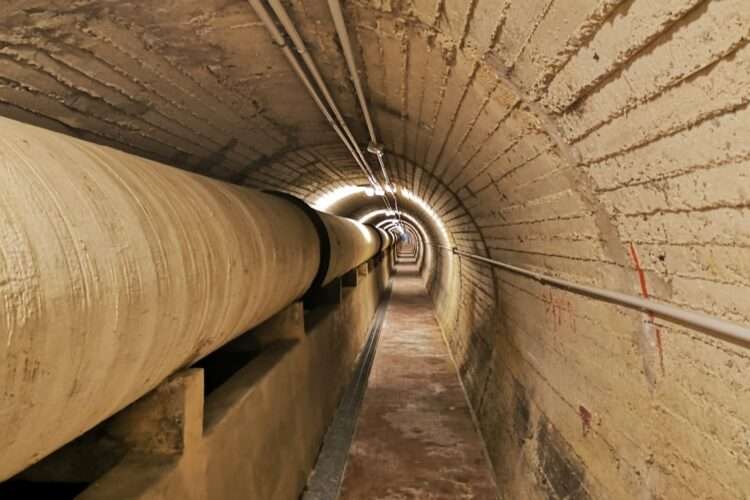
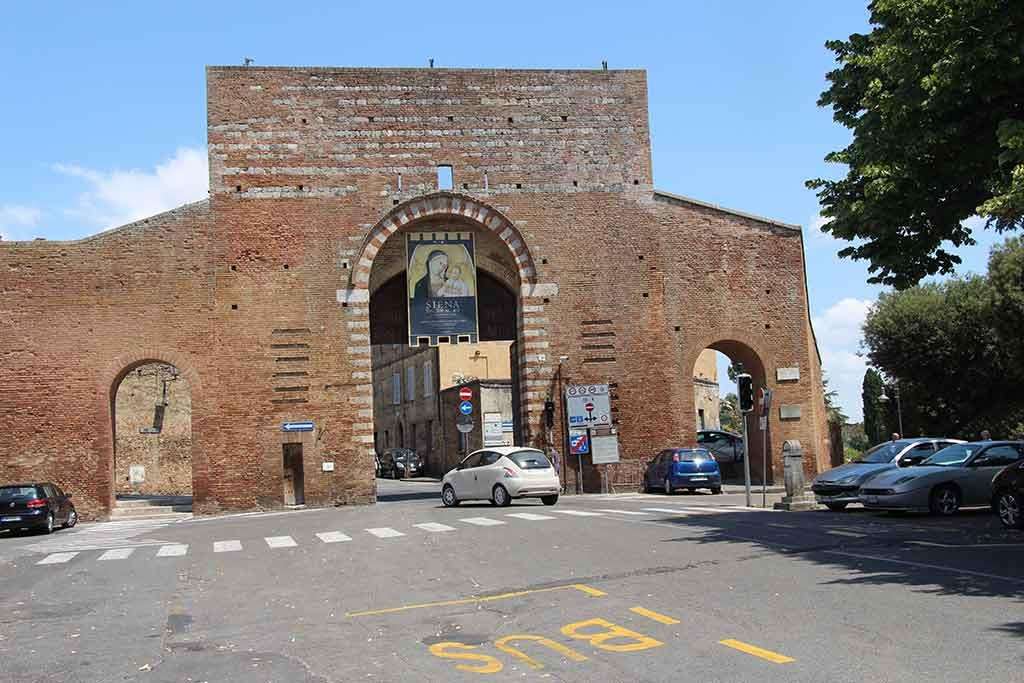
In 1908, after 6 years of construction, the project was completed…and fresh water from Mt. Amiata was delivered to Porta San Marco in Siena…
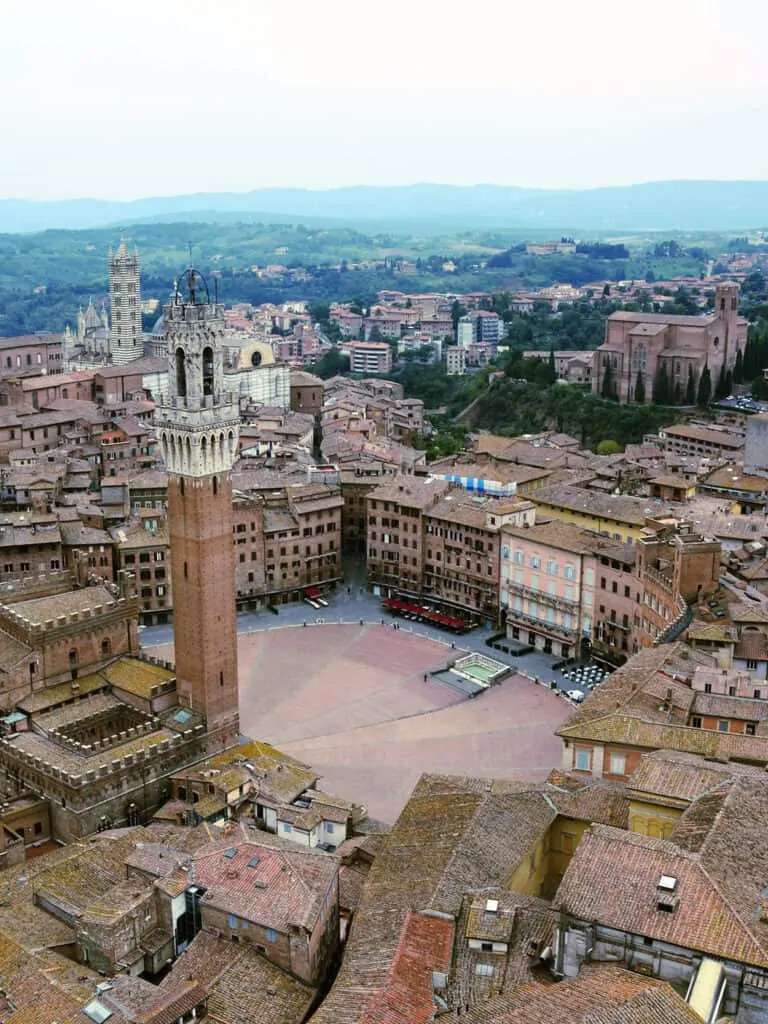
…which means today when tourists visit Siena’s main attraction, the Campo….
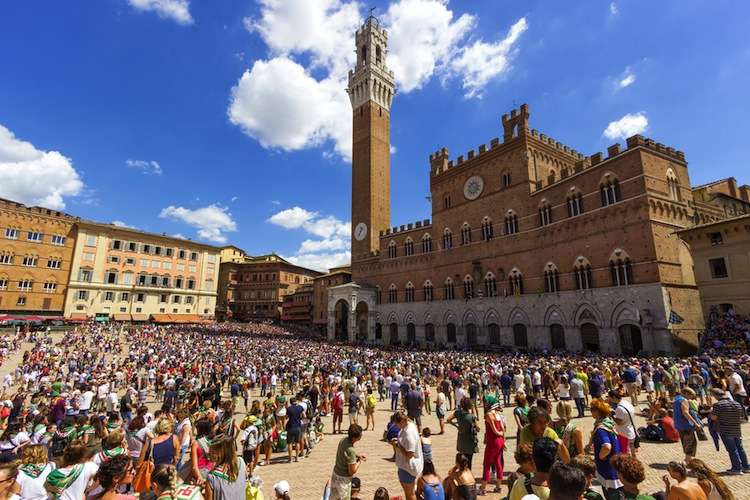
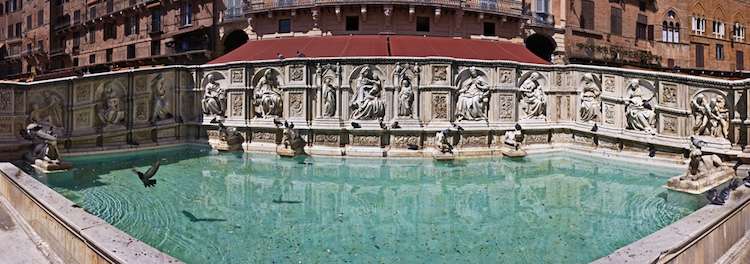
…and take a drink from the Fonte Gaia (Fountain of Joy), they will be drinking fresh water from Monte Amiata.
Leave a Reply